

Phulaich Festival
cultural
When it happens
September
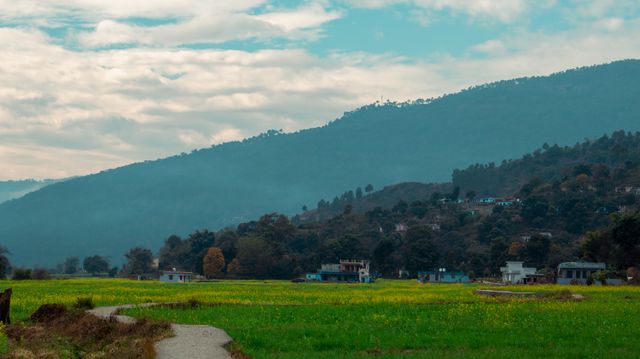
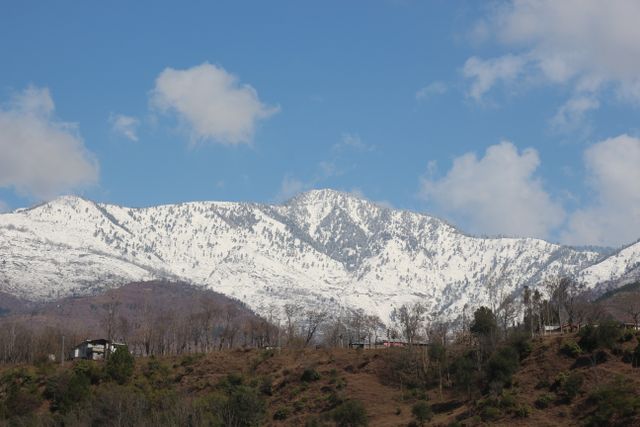
Held in the month of Bhadrapada (September). Region: Kinnaur Valley, Himachal Pradesh.
Gallery

Significance
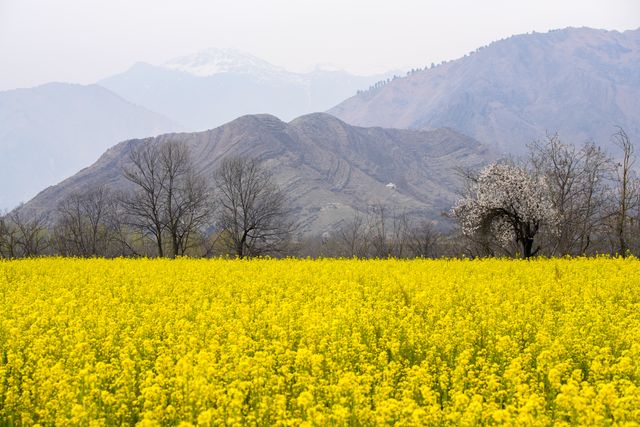
The festival of flowers, when tribal youth trek to the high ridges to gather wild blossoms in honour of the village spirits.
Why it's celebrated
Rooted in ancestral oral traditions to show deep gratitude to nature for the seasonal bloom of alpine flowers and to seek the protection and blessings of departed souls to safeguard the villages from winter perils.
How it's celebrated
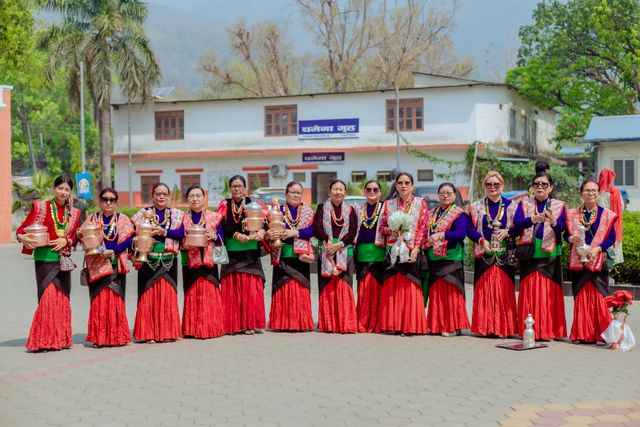
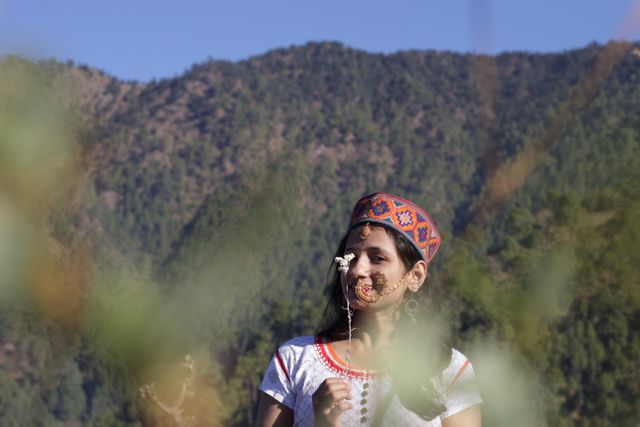
Villagers dress in traditional green-trimmed wool caps (Thepang) and embroidered shawls. Selected village youths climb high mountain ridges to pluck rare medicinal flowers. The entire community gathers to dance the traditional Nati in continuous concentric circles, accompanied by local brass bands, gongs, and historical chants.
Key rituals
Designated youths climb to high alpine meadows (Kandas) to gather flowers like the sacred Brahma Kamal. Upon their return, these flowers are woven into grand garlands and offered to the village oracle idol (Utsava Vigraha). A grand ceremonial procession is held where the oracle enters a deep spiritual trance to predict upcoming winter conditions.
Beliefs & spiritual meaning
The rare mountain flowers are believed to act as a direct channel of communication with ancestral spirits. It is thought that the village oracle's touch on the gathered flowers transfers divine protection to local households, shielding them from sub-zero hazards and frost.
History & origins
An ancient pre-Vedic festival practised by the indigenous communities of Kinnaur, it has held on to its tribal religious core, surviving deep in the isolated Himalayan valleys with little outside interference.
What to expect
The crisp mountain air of Kinnaur echoes with the deep, haunting resonance of traditional long horns and drums. Villagers swaying arms linked in an endless Nati dance loop around the stone village square. Garlands of bright yellow and white alpine flowers decorate the processional deity palanquins, creating an incredibly rich, visceral connection between nature, community, and ancestral devotion.
Frequently asked
Can tourists join the traditional Nati dance?+
While the core ritual dances are reserved for the community, visitors are often warmly invited to join the general social dancing circles later in the evening.
Related festivals
cultural
Island Tourism Festival
The ITF Ground on VIP Road, Sri Vijaya Puram (Port Blair), Andaman & Nicobar Islands. The 2025 edition ran at thirteen venues across South, North and Middle Andaman.

cultural
Aranmula Boat Race (Uthrattathi)
Pampa River, near the Sree Parthasarathy Temple, Aranmula, Pathanamthitta district, Kerala.

cultural
Taj Mahotsav
Shilpgram, Taj Mahal na Eastern Gate pase, Agra, Uttar Pradesh.

cultural
Myoko Festival
The Ziro Valley, Lower Subansiri district, Arunachal Pradesh, rotating across ancestral Apatani villages like Hari, Hong, and Haja.

cultural
Aoling Festival
Mon district, Nagaland, across all Konyak Naga tribal settlements and ancestral villages.

cultural
Lui-Ngai-Ni
Celebrated across all Naga-inhabited districts of Manipur, with the main, grand rotating venue hosted in towns like Ukhrul, Senapati, Tamenglong, or Chandel.

cultural
International Kite Festival (Uttarayan)
Ahmedabad (Sabarmati Riverfront), Surat, Vadodara, Jaipur, and across Gujarat

cultural
Nyokum
Papum Pare, Kurung Kumey, Kra Daadi, and East Kameng districts of Arunachal Pradesh, with massive public grounds in Nirjuli and Itanagar.