CityDekho

Browse by place

CityRegionDestinationAttractions

Browse by theme

By MoodAll themesFestivals of IndiaFestival calendarAncient India

Popular themes

BeachesHill StationsSpiritual PlacesPilgrimage & YatrasHeritage & FortsWildlifeAdventureFood TrailsSee all themes
Trip Ideas
Travel ItinerariesTravel GuidesEditorials
When to Go
My TripsSavedProfile
HomeExploreSearchSaved

Travel inspiration in your inbox

New destinations, festival guides and hidden gems — plus the occasional alert. No spam, unsubscribe anytime.

or
CityDekho

Discover India — destinations, hidden gems, festivals and pilgrimages, all in one place.

hello@citydekho.com

Explore

  • Destinations
  • States & UTs
  • Things to do
  • Trip Ideas
  • Pilgrimages
  • Ancient India
  • Festivals

Plan your trip

  • Itineraries
  • Travel guides
  • Road trips
  • Food trails
  • Best time to visit
  • Festival calendar
  • Search CityDekho

Categories

  • Hill Stations
  • Beaches
  • Wildlife
  • Spiritual
  • Adventure
  • Heritage
  • Weekend getaways
  • Hidden gems

Stories & support

  • Editorials
  • Feedback & ideas
  • About
  • Contact
By seasonsummermonsoonautumnwinterspring

© 2026 CityDekho. All rights reserved.

AboutContactFeedbackBest time to visit
CityDekho

Browse by place

CityRegionDestinationAttractions

Browse by theme

By MoodAll themesFestivals of IndiaFestival calendarAncient India

Popular themes

BeachesHill StationsSpiritual PlacesPilgrimage & YatrasHeritage & FortsWildlifeAdventureFood TrailsSee all themes
Trip Ideas
Travel ItinerariesTravel GuidesEditorials
When to Go
My TripsSavedProfile
HomeExploreSearchSaved
Home

winter season

Best winter destinations in India

Winter is peak season. Snow in Kashmir and Auli, sunshine on Goa's beaches, festive markets in Rajasthan, and the calmest weather across the country.

Busy
Mehsana

Gujarat

Mehsana

Mehsana is a busy city in northern Gujarat, known for the Dudhsagar dairy — one of India's largest cooperative dairies — and for its oil and gas fields. For travellers it is most useful as a base for the Solanki-era Sun Temple at Modhera and the Bahucharaji Shakti Peeth temple nearby.

Crisp, cool winter climate with clear bright blue skies.

Moderate crowds
Gondal

Gujarat

Gondal

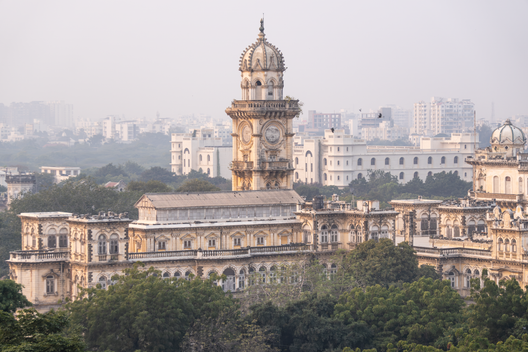
Gondal is a preserved, sophisticated royal heritage town in the Rajkot district of Saurashtra. Historically operating as a prominent first-class princely state ruled by the progressive and visionary Jadeja Rajput dynasty, Gondal is celebrated across India for its advanced 19th-century urban planning, classical school architectures, grand riverside palaces, and private institutional collections of functional vintage automobiles.

Perfect, cool winter climate with highly pleasant afternoons.

Moderate crowds
Taranga Hills

Gujarat

Taranga Hills

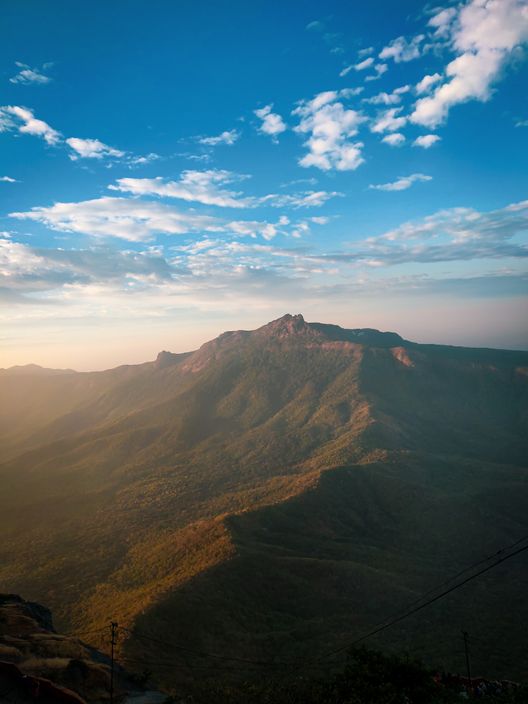
The Taranga Hills are a rugged sandstone range in the Satlasana area of Mehsana district, part of the old Aravalli system, with jagged cliffs, scrub and caves. They are best known for a well-preserved 12th-century Jain temple set on a high plateau, and for Buddhist rock-cut caves hidden among the surrounding boulders.

Crisp winter mountain climate good for hiking the cliffs.

Low crowds
Idar Hill (Idargarh) — photo

Gujarat

Idar Hill (Idargarh)

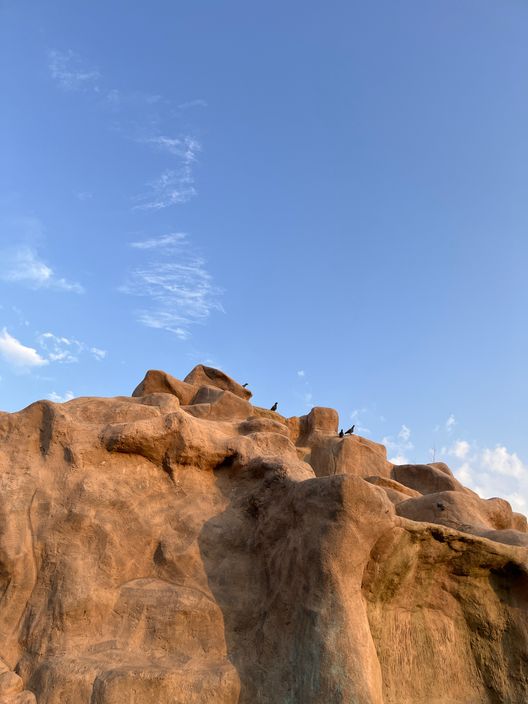
Idar Hill, resting prominently inside the Sabarkantha district of North Gujarat, is a rugged, mountain destination, known for a topography of massive, monolithic pink granite boulders balanced on top of each other, the hill holds a historic hill fort complex known as Idargarh. Scaling the hill via a flight of over 700 stone steps leads through medieval defense gateways, ancient rock-cut water cisterns, and hidden palaces, with a raw mix of natural architecture and military heritage.

Crisp winter air, highly clear visibility from the boulder peaks.

Peak crowds
Jaipur photo

Rajasthan

Jaipur

Jaipur repays getting up early more than almost anywhere in Rajasthan, because by ten the coaches have arrived and Amber Fort stops being a fort and becomes a queue. Be at Amber for opening. Walk up rather than taking the elephants — the welfare of those animals is a long-running problem and a jeep does the same job. Inside, the Sheesh Mahal is the room everyone photographs, but the Ganesh Pol above the second courtyard is the better piece of work. Hawa Mahal disappoints people, and it is worth knowing why before you stand in front of it: it is a screen, one room deep, built so the women of the household could watch the street unseen. There is almost nothing behind the facade. The good view is from the rooftop cafés opposite, looking back at it. Jantar Mantar is the one to book a guide for. Without someone to explain them the instruments are handsome shapes; with someone, they are a working observatory and the visit turns into the best hour of your day. For fabric go to Johari Bazaar, for everyday chaos and better prices go to Chandpole. October to March. April onwards the stone gets too hot to touch by mid-morning.

Crisp chilly days with beautiful sunny afternoons.

Busy
Jaisalmer photo

Rajasthan

Jaisalmer

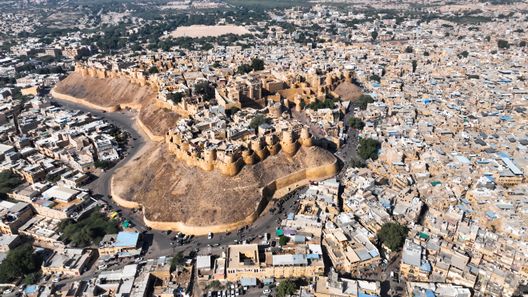
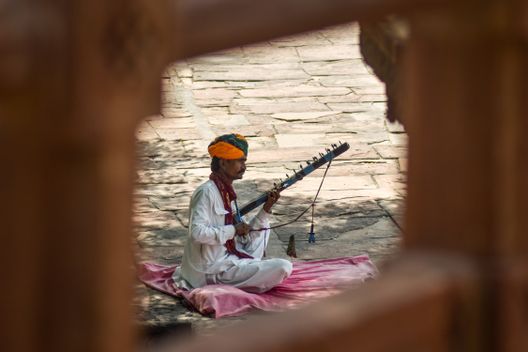
Jaisalmer is built from the same yellow sandstone it stands on, which is why at six in the evening the whole fort looks lit from inside — and why at midday it looks like nothing much at all. Time your first look for the last hour of light. The fort is one of very few in the world still lived in: several thousand people, with shops, homes, temples and plumbing inside the walls. That is what makes it extraordinary and also what is slowly destroying it, because the drainage was never built for modern water use and the bastions are being undermined. Conservationists ask visitors to sleep outside the walls rather than in the fort hotels. It is worth honouring. Patwon ki Haveli is the finest carved stone in the city. The Jain temples inside the fort are quieter and, to my eye, better. For the desert, the choice matters. Sam dunes at sunset is a full circus of camels, jeeps and loudspeakers. Khuri is further out, plainer, and gives you the silence people actually come to the Thar for. November to February. Nights in the desert get genuinely cold — bring more than you think.

Crisp sunny desert daytimes followed by clear freezing nights.

Busy
Bikaner

Rajasthan

Bikaner

Bikaner gets a fraction of Jaisalmer's and Jodhpur's visitors and is a better city for it. Nothing here is queued. Junagarh, begun in 1589, is unusual among Rajasthan's forts in standing on flat ground rather than a hill, and it was never taken — which is why the painted interiors survived intact. The lacquer ceilings and the gold-leaf Anup Mahal are the reason to come, and the museum has a First World War biplane in it. Inside the old walls the city is a grid of red Dulmera sandstone havelis, the Rampuria cluster being the best of them and most still lived in. Bhujia was invented here. The Karni Mata temple at Deshnoke, thirty kilometres south, is the one with the rats — you go barefoot or you do not go. October to March. April to June sits well over 40°C.

Crisp cool daytimes with excellent clear desert horizons.

Peak crowds
Shamlaji

Gujarat

Shamlaji

Shamlaji is a temple town in the Aravalli foothills of north-eastern Gujarat, on the banks of the Meshwo River near the Rajasthan border. It centres on the 11th-century Shamlaji Temple, a Vaishnavite shrine to Vishnu, and draws both tribal and other Hindu pilgrims — especially during its large annual fair.

Crisp winter air, delightfully cool mornings and clear afternoon skies.

Busy
Girnar Hills

Gujarat

Girnar Hills

The Girnar Hills rise outside Junagadh, an old volcanic range whose highest point, Gorakhnath Peak, reaches 1,031 metres — the highest in Gujarat. Wrapped in the dry-deciduous forest of the Gir landscape, the hills are a shared sacred site, with Jain marble temples and Hindu shrines near the top. Reaching them means either climbing a famous stairway of nearly 10,000 steps or taking the ropeway up over the forested valleys.

Chilly morning mountain winds, exceptionally clear horizons.

Busy
Valsad — photo

Gujarat

Valsad

Valsad, once known as Bulsar, sits at the southern tip of Gujarat on the Arabian Sea. It is known for its mango orchards — the source of much of the region's Alphonso (Hafoos) crop — and mixes an industrial economy with easygoing coastal and temple tourism. With black-sand beaches and the union territory of Daman close by, it is a popular weekend break for visitors from Gujarat and Maharashtra.

Perfect, crisp winter weather with refreshing coastal sea winds.

Peak crowds
North Goa (Baga & Calangute) photo

Goa

North Goa (Baga & Calangute)

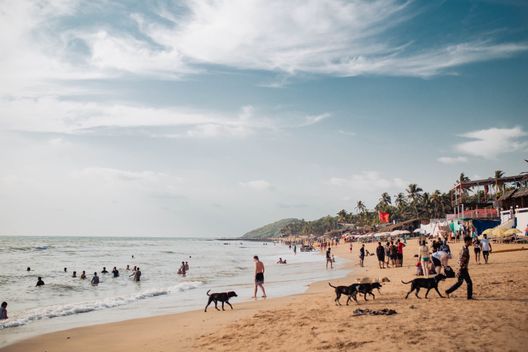
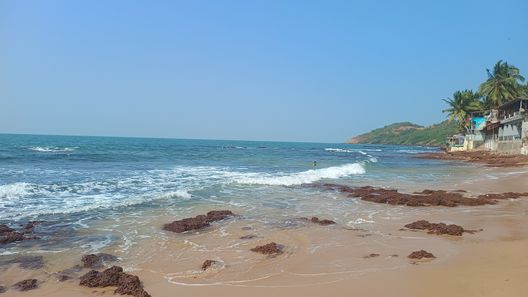
Baga and Calangute form the high-energy, commercial beach core of North Goa, stretching along a continuous golden sand coastline on the Arabian Sea. Characterized by a coastal ecosystem, this region transitions from sun-drenched daytime water sports hubs into an epicenter of nightlife and entertainment. The shoreline is densely lined with dynamic open-air food shacks, water sports operators, and international music bars. Calangute beach functions as a prime retail and family leisure avenue, while Baga creek marks the launching pad for late-night clubbing and beachside parties.

Beautiful sunny daytime weather and lively cool evenings.

Busy
South Goa (Palolem)

Goa

South Goa (Palolem)

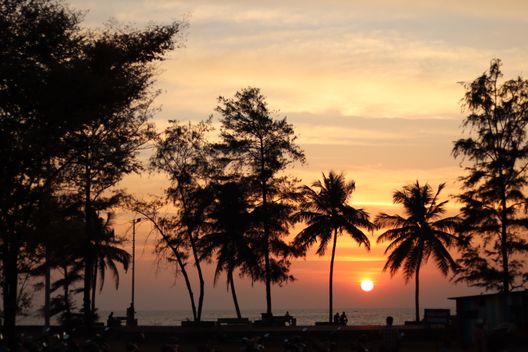
Palolem is a crescent-shaped natural bay located in the Canacona region of South Goa, known for calm water, dramatic rocky headlands, and a dense fringe of leaning coconut palms, it presents a relaxed, alternative to the commercialized hubs of the north. The unique topology of the bay ensures minimal ocean currents. The shoreline features temporary eco-friendly wooden stilt cottages and slow-paced beach shacks that are dismantled entirely before the monsoon, preserving a village-like coastal environment.

Delightfully warm daytime weather with a perfectly still sea front.

Peak crowds
Shatrunjaya Hill

Gujarat

Shatrunjaya Hill

Shatrunjaya Hill, near Palitana town in the Bhavnagar district, is a world-famous sacred mountain rising above the Shatrunjaya River. It stands as a unique structural wonder, being the world's only mountain holding a fortified complex of more than 860 carved marble temples built over a millennium. Considered an entirely holy landscape by the Jain community, no vehicles are permitted past the base database, requiring pilgrims and travelers to scale approximately 3,500 stone steps to reach the mountaintop complex.

Crisp winter breezes, clear skies good for early morning climbs.

Moderate crowds
Shivrajpur Beach — photo

Gujarat

Shivrajpur Beach

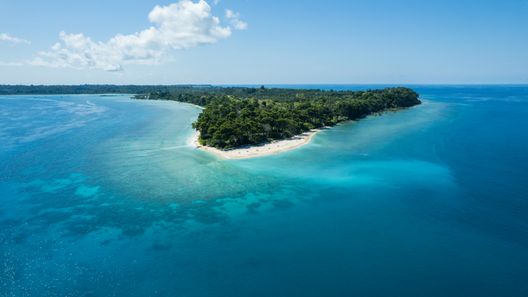
A pristine Blue Flag-certified beach known for turquoise waters and fine white sand. It is ideal for swimming, scuba diving, and water sports.

Clear skies and calm sea.

Peak crowds
Kevadia (Ekta Nagar)

Gujarat

Kevadia (Ekta Nagar)

Kevadia, now officially Ekta Nagar, is home to the Statue of Unity — at 182 metres, the tallest statue in the world — on the banks of the Narmada River. Once a quiet settlement, it has been developed into a large tourism hub with theme gardens, a safari park, viewpoints and adventure activities.

Crisp winter weather, good for all-day outdoor sightseeing.

Peak crowds
Srirangam (Ranganathaswamy Temple)

Tamil Nadu

Srirangam (Ranganathaswamy Temple)

Srirangam is a temple town on an island between the Kaveri and Kollidam rivers near Tiruchirappalli. It is built around the Sri Ranganathaswamy Temple, one of the largest functioning Hindu temple complexes in the world, laid out as seven concentric walled enclosures (prakarams). The complex has 21 carved gopuram gateways, crowned by the towering Rajagopuram — among the tallest temple towers in Asia. At its centre, the inner sanctum holds the reclining form of Lord Ranganatha, a form of Vishnu, resting on the serpent Adisesha.

Pleasantly warm daytimes with cool refreshing evening river mists.

Busy
Munnar photo

Kerala

Munnar

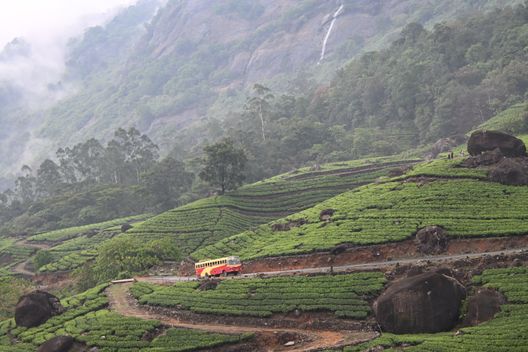
Munnar is a high-altitude hill station at about 1,600 metres in the Western Ghats of Idukki district. Positioned at the scenic confluence of three mountain streams (Mudrapuzha, Nallathanni, and Kundala), the region is visually dominated by an uninterrupted, rolling green carpet of commercial organic tea plantations. The town and its surrounding valleys feature landscape contours lined with dense shola forests, aromatic spice farms, and high-altitude mist-covered grass hills. The commercial core functions as a gateway base for exploring deep wildlife corridors, including the protected cliffs of Eravikulam National Park and the towering peak of Anamudi, the highest summit in South India.

Crisp mountain conditions with clear afternoon visibility lines.

Peak crowds
Alleppey (Backwaters) photo

Kerala

Alleppey (Backwaters)

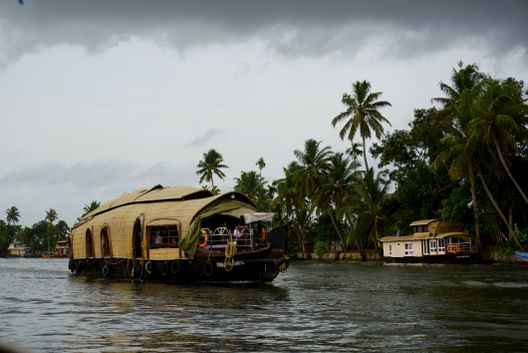
The mistake in Alleppey is the day boat. A houseboat only becomes worth it once the day-trippers have gone home and the water goes quiet. Book an overnight, and if you can, book a smaller boat that can leave the main channel. The big two-storey ones are restricted to the wide canals where they queue up alongside each other; the small ones get into the narrow waterways between the paddy fields, which is where the backwaters stop being a boat trip and start being a place where people live. Better still, spend a morning on a public ferry. The government service from Alleppey to Kottayam costs almost nothing, takes a couple of hours, stops at village jetties, and carries schoolchildren and shopping. You will see more of the actual backwaters from its deck than from most houseboats. The paddy fields here are farmed below sea level, kept dry by dykes and pumps — Kuttanad is one of the few places in the world where that is done. October to March. The monsoon has its own case, and the snake boat races in the wet season are worth planning around, but the water is high and the light is grey.

Delightful coastal weather with refreshing afternoon lake breezes.

Busy
Varkala Beach photo

Kerala

Varkala Beach

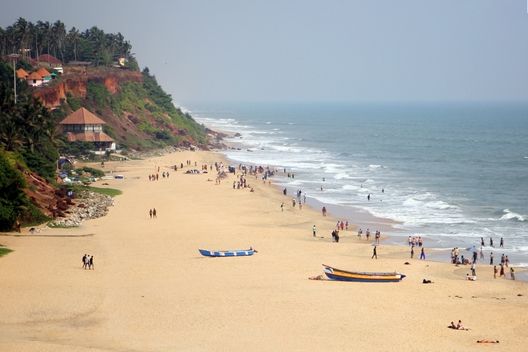
Varkala is a coastal town unlike anywhere else on India's shoreline in the Thiruvananthapuram district of southern Kerala. Unlike the flat sandy shorelines standard across most of India's coast, Varkala is famous for its unique geological clifftops, massive near-vertical red laterite cliffs that rise sharply right next to the breaking waves of the Arabian Sea. The commercial heart of the beach spreads along the paved North Cliff edge, packed with bohemian open-air cafes, international seafood grills, yoga centers, and local handicraft stores. Down below, the beach front opens into wide sandy bays popular for swimming, surfing, and sunbathing, while natural mineral springs cascade down the laterite walls.

Beautiful sunny daytime weather with refreshing offshore sea breezes.

Busy
Gokarna

Karnataka

Gokarna

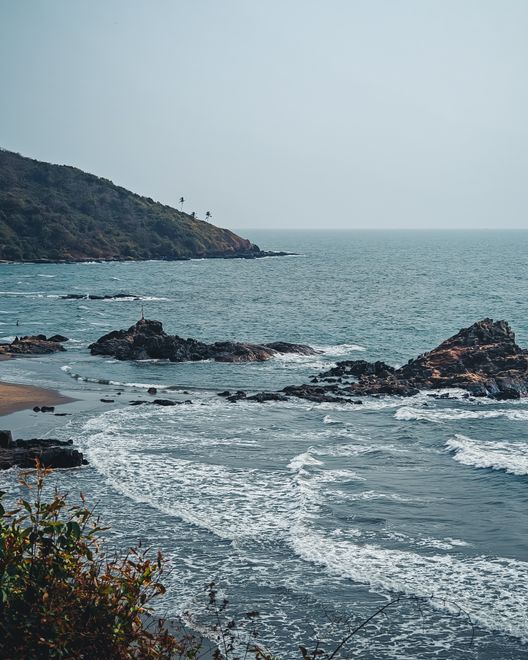
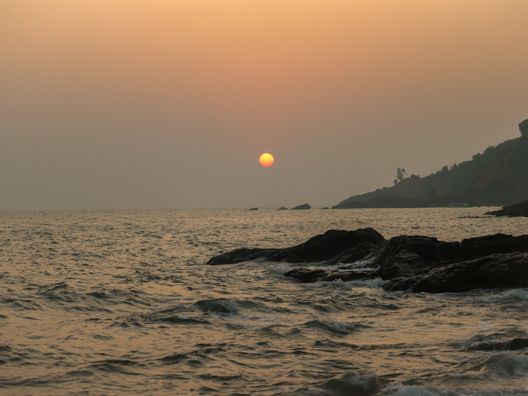
Gokarna is a unique coastal beach town in the Uttara Kannada district of northern Karnataka. Traditionally functioning as a vital, ancient temple pilgrimage city centered around the historic Mahabaleshwar Temple, it has evolved over recent decades into a bohemian backpacker hub. The distinct geography is characterized by rugged green rocky hills of the Western Ghats that crash directly down into the sandy shores of the Arabian Sea. The town features a unique layout split by topology: the historic old city core houses ancient brick temples and traditional Sanskrit learning centers, while a short hike across the rugged green cliffs reveals a series of five isolated, crescent-shaped sandy bays - Kudle, Om, Half Moon, Paradise, and Gokarna Beach. These beaches are populated by rustic bamboo yoga shacks, independent seafood cafes, and quiet beach camping grounds.

Beautiful sunny daytime weather with refreshing offshore ocean breezes.

Busy
Ahmedabad

Gujarat

Ahmedabad

Ahmedabad's old city is a UNESCO World Heritage Site and the way to see it is a walk that starts at seven in the morning. The heritage walk from Swaminarayan temple to Jama Masjid takes a couple of hours and goes through the pols — dense residential quarters, each historically one community, with shared courtyards, carved wooden facades and bird feeders on tall poles. Doing this without a guide means missing all of it, because the pols look like ordinary lanes from outside. The Sidi Saiyyed mosque's stone jaali — the tree-of-life screen — is the image the city is known for, and it takes five minutes to see. The Adalaj stepwell, half an hour out, takes longer and gives more. Gandhi's Sabarmati Ashram is plain and unglamorous by design. Sit in it for a while rather than walking through. Gujarat is a dry state; alcohol is not served. The city eats vegetarian extremely well as a result — the Gujarati thali here is one of India's great meals. November to February. April and May routinely pass forty-two degrees.

Perfect, crisp winter weather good for walking tours.

Peak crowds
Somnath

Gujarat

Somnath

Somnath is an ancient coastal spiritual town known for the legendary Somnath Temple, revered as the very first among the twelve sacred Jyotirlinga shrines of Lord Shiva. Rebuilt meticulously several times across history following various destruction eras, the shore temple stands as an eternal beacon of resilience directly over the crashing waves of the Arabian Sea.

Delightful cool coastal weather, high holiday footfalls.

Peak crowds
Dwarka photo

Gujarat

Dwarka

Dwarka is an ancient holy city resting on the westernmost tip of the Saurashtra peninsula. Revered as the legendary ocean kingdom of Lord Krishna, it forms a core part of the highly sacred Chardham pilgrimage circuit. It draws millions of continuous domestic and international travelers year-round to experience its historic temples and newly developed infrastructure marvels.

Perfect winter conditions, crisp and bright mornings.

Busy
Bhuj

Gujarat

Bhuj

Bhuj is the historic capital of the Kutch district. Highly resilient following major earthquake eras, it is a maze of royal palaces, historic stepwells, and ancient markets, serving as the ultimate jumping-off point into the vast salt flats of the Great Rann of Kutch.

Cold desert nights, good for clear moonlit viewing of the Rann.

Busy
Sasan Gir (Talala)

Gujarat

Sasan Gir (Talala)

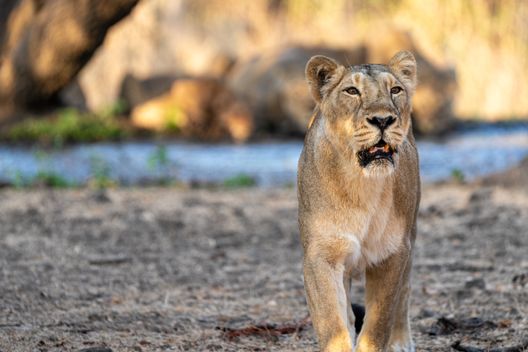
Gir, near Talala, is the last place in the wild where the Asiatic lion survives. Its dry-deciduous forest and scrub also shelter leopards, deer and a wide range of birds, and safaris run from the sanctuary's gates.

Perfect crisp weather, good for tracking all-day wildlife movements.

Moderate crowds
Vadodara

Gujarat

Vadodara

Universally known as the cultural capital of Gujarat, Vadodara (historically Baroda) is a grand city shaped by the royal history of the Gaekwad dynasty. It features opulent palaces, rich art academies, and vast public gardens, with an eloquent mix of old-world royalty and modern industrial enterprise.

Delightful, cool winter weather good for city touring.

Busy
Kochi (Fort Kochi) photo

Kerala

Kochi (Fort Kochi)

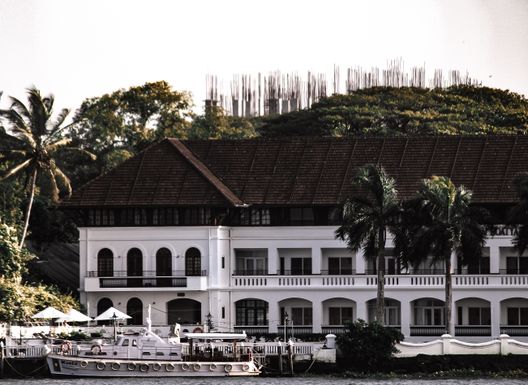
Fort Kochi is walkable, layered and unusually easy for a first trip to India — it is one of the few Indian towns where you can simply wander without a plan. The Chinese fishing nets on the waterfront are the postcard, and they are also mostly a photo stop now rather than a working fishery. Go anyway, at dusk, but do not expect a spectacle. Behind them, St Francis Church holds the spot where Vasco da Gama was buried before his remains went home, and the Paradesi Synagogue in Jew Town has a floor of hand-painted Chinese tiles, no two the same. Kathakali is the thing worth booking. The good venues start an hour early so you can watch the performers put the make-up on — that hour explains the art form far better than the performance does, and without it the show is opaque. Cross to Mattancherry for the spice godowns, where the smell of ginger and pepper in the streets is not a tourist experience, it is a working trade. October to March is dry and pleasant. April and May are humid and heavy. The monsoon is dramatic and the town keeps functioning through it.

Delightfully warm coastal days with festive holiday lightings.

Busy
Gandhinagar

Gujarat

Gandhinagar

Gandhinagar, the meticulously master-planned capital city of Gujarat, stands on the west bank of the Sabarmati River. Designed by visionary architects H.K. Mewada and Prakash M. Apte, it is internationally recognized as one of India's greenest administrative capitals, laid out in an orderly grid of 30 structured sectors. Beyond its primary role as a political and bureaucratic powerhouse, Gandhinagar handles a massive leisure and spiritual tourist footprint due to its high-capacity exhibition facilities, lush urban forest canopy covers, eco-nature parks, and monumental temple installations.

Crisp, cool winter conditions with refreshing evening breezes.

Moderate crowds
Navsari — photo

Gujarat

Navsari

Navsari is an old town near the Purna river delta in south Gujarat, long linked with neighbouring Surat. It is an important centre of Parsi heritage in India, home to some of the community's oldest fire temples. Just offshore is Dandi, where Mahatma Gandhi ended his Salt March in 1930.

Delightful, cool winter climate with clear bright skies.

Moderate crowds
Porbandar

Gujarat

Porbandar

Porbandar is a coastal town on the Saurashtra shore of the Arabian Sea, remembered in tradition as the birthplace of Sudama, Krishna's childhood friend, and in modern history as the birthplace of Mahatma Gandhi. Its old quarter has distinctive limestone architecture, and the coastal wetlands nearby draw large numbers of migratory birds.

Perfect, refreshing coastal winter climate with calm waves.

Moderate crowds
Jamnagar

Gujarat

Jamnagar

Jamnagar, once the princely capital of Nawanagar under the Jadeja rulers, sits on the southern Gulf of Kutch. Known as the 'Jewel of Kathiawar' and, for its many temples, as 'Chhoti Kashi', it pairs royal-era architecture — lake palaces, colonial squares and a solar observatory — with a large modern industrial belt. Nearby lie coral reefs and coastal wetlands rich in birdlife.

Delightful winter weather with cool, refreshing gulf breezes.

Moderate crowds
Bhavnagar

Gujarat

Bhavnagar

Bhavnagar is a historic oceanfront city founded in 1723 by Maharaja Bhavsinhji Gohil, strategically positioned along the western rim of the Gulf of Khambhat. Long serving as a major maritime trading capital exporting rich regional goods, the city has evolved into a base for corporate and heritage travelers. Its urban landscape features grand colonial architectures, public squares, and unique hilltop temples with panoramic vistas over active industrial shipping lock gates, while functioning as the primary transit gateway for the world-famous Velavadar Blackbuck savanna ecosystems.

Crisp, cool winter days with highly comfortable daytime conditions.

Busy
Kalo Dungar (Black Hill) — photo

Gujarat

Kalo Dungar (Black Hill)

Kalo Dungar, or Black Hill, is the highest point in Kutch, rising about 462 metres above the desert not far from the Pakistan border. It is famous for the view from its edge, where the land drops away to the white salt flats of the Great Rann of Kutch — at its best around sunset.

Cool desert winds, excellent clear visibility over the salt flats.

Peak crowds
Puri (Jagannath Temple & Beach) photo

Odisha

Puri (Jagannath Temple & Beach)

Puri is an ancient holy city on the Bay of Bengal coast in Odisha, serving as one of the four primary sacred nodes in the traditional Char Dham pilgrimage circuit. The spiritual and civilizational identity of the metropolis revolves entirely around the monumental, 12th-century Shree Jagannath Temple, housing the unique wooden manifestations of Lord Jagannath, Balabhadra, and Goddess Subhadra. The city's layout presents a dynamic transition from the deep devotional crowd corridors of the Grand Road to the wide, sandy shores of Puri Beach. Puri operates on a continuous pulse governed by ancient temple rituals, transforming into a massive global phenomenon during mid-summer when it hosts the historic Rath Yatra chariot festival.

Delightfully warm coastal daytimes and refreshing cool evenings.

Busy
Konark Sun Temple

Odisha

Konark Sun Temple

The Konark Sun Temple is a 13th-century temple near the Bay of Bengal coast in Odisha's Puri district, built in dark khondalite stone as a giant chariot for the sun god Surya — complete with 24 carved stone wheels and seven straining horses. The main tower collapsed long ago, but the surviving audience hall (Jagamohan) still stands amid lawns, its walls covered in fine relief carvings of celestial figures, processions and everyday life.

Pleasantly crisp afternoons with perfect bright sunshine windows.

Busy
Sundarbans National Park photo

West Bengal

Sundarbans National Park

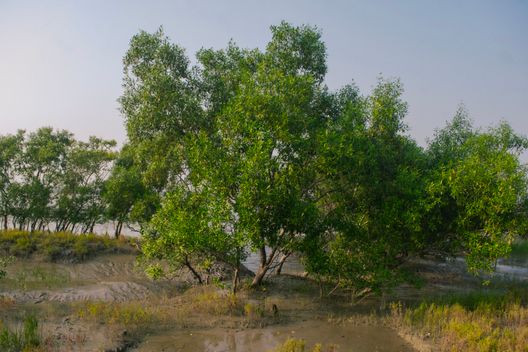
The Sundarbans National Park is a monumental, unique wildlife conservation wilderness spanning a massive estuarine mangrove delta formed by the confluence of the Ganges and Brahmaputra rivers in West Bengal. Characterized as the largest continuous mangrove forest on earth, the protected ecosystem is cut into a complex maze of tidal mudflats, narrow river channels, and dense island swamps. It is known for hosting the world's only population of tigers adapted to living inside a mangrove habitat. The entire safari experience operates exclusively on water, where visitors board certified multi-deck passenger boats to track wildlife along the thick roots of the Sundari trees. The core reserve holds saltwater crocodiles, water monitors and river dolphins.

Delightfully crisp daytimes with pleasant morning mists clearing over mangroves.

Peak crowds
Goa

Goa

Goa

Goa, India's smallest state on the western Konkan coast, pairs golden Arabian Sea beaches with a relaxed Indo-Portuguese culture. From the lively sands and nightlife of the north to the quieter palm-fringed south, plus whitewashed churches, spice plantations, fresh seafood and easygoing susegad charm, it remains India's favourite beach getaway.

Perfect beach weather, peak season

Busy
Gulmarg photo

Jammu & Kashmir

Gulmarg

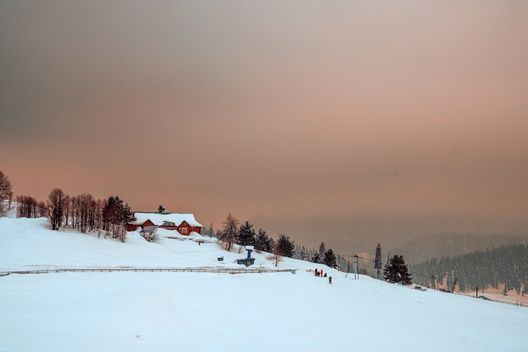
Gulmarg is a bowl of meadow at 2,650 metres in the Pir Panjal, and it does two completely different jobs depending on the month. December to March it is the only serious ski resort in India. The Apharwat face has real off-piste terrain and the snow is dry enough to justify the trip. May to September the snow is gone and it is a meadow full of wildflowers with a golf course on it, one of the highest anywhere. The gondola climbs in two stages. The first, to Kongdoori, almost always runs. The second, up to just under four thousand metres on Apharwat, is frequently closed for wind and its tickets are capped daily — buy both stages early or accept that you may only get the first. If you are skiing off-piste, a guide is not optional. This is avalanche terrain and it has killed people.

Freezing conditions with massive accumulations of powder snow.

Busy
Amritsar (Golden Temple) photo

Punjab

Amritsar (Golden Temple)

The Golden Temple sits lower than the ground around it, and you walk down steps to reach the water. That is deliberate: nearly every other temple in India makes you climb up to it. It has four doors, one on each side, for the same reason — the building is meant to be entered from any direction, by anyone. Head covered, shoes off, feet through the water channel at the entrance, and nobody will ask you anything else. The langar behind the complex feeds on the order of a hundred thousand people a day, more at weekends, on donated food and volunteer labour. The dish hall takes anyone who turns up to help, and half an hour in it tells you more about the place than any guidebook. The Akal Takht faces the sanctum across the water. It is the seat of temporal authority in Sikhism, and those two buildings looking at each other across a pool is the whole argument of the faith in one view.

Pleasantly crisp afternoons with beautiful winter sunshine.

Festivals during Winter

From our festival calendar. Most Indian festivals move with the lunar calendar, so we name the month rather than a day.

Basant PanchamiJanuary

Basant Panchami

religious

Explore festival →
Bikaner Camel FestivalJanuary

Bikaner Camel Festival

fair

Explore festival →
International Kite Festival (Uttarayan)January

International Kite Festival (Uttarayan)

cultural

Explore festival →
Jaisalmer Desert FestivalJanuary - February

Jaisalmer Desert Festival

cultural

Explore festival →
LohriJanuary

Lohri

regional

Explore festival →
Lokrang UtsavJanuary

Lokrang Utsav

cultural

Explore festival →
Magh Mela (Prayagraj)January - February

Magh Mela (Prayagraj)

religious

Explore festival →
Makar SankrantiJanuary

Makar Sankranti

religious

Explore festival →

Other seasons

summermonsoonautumnspring

Travel inspiration in your inbox

New destinations, festival guides and hidden gems — plus the occasional alert. No spam, unsubscribe anytime.

or
CityDekho

Discover India — destinations, hidden gems, festivals and pilgrimages, all in one place.

hello@citydekho.com

Explore

  • Destinations
  • States & UTs
  • Things to do
  • Trip Ideas
  • Pilgrimages
  • Ancient India
  • Festivals

Plan your trip

  • Itineraries
  • Travel guides
  • Road trips
  • Food trails
  • Best time to visit
  • Festival calendar
  • Search CityDekho

Categories

  • Hill Stations
  • Beaches
  • Wildlife
  • Spiritual
  • Adventure
  • Heritage
  • Weekend getaways
  • Hidden gems

Stories & support

  • Editorials
  • Feedback & ideas
  • About
  • Contact
By seasonsummermonsoonautumnwinterspring

© 2026 CityDekho. All rights reserved.

AboutContactFeedbackBest time to visit