

Camping & Wild Stays
Adventure
Campsites, riverside tents and the high-altitude places where a tent is the only option.
18 places

Kevadia (Ekta Nagar)
Zarwani Waterfall
Inside the Shoolpaneshwar sanctuary a short drive from Kevadia, and it only runs properly during and just after the monsoon. There is an eco-campsite at the bottom and a short walk in.
Auli
Kwani Bugyal
A higher, emptier meadow beyond Gorson, twelve kilometres out and a full day there and back. Nothing on the way, so carry water and food.
Auli
Gorson Bugyal
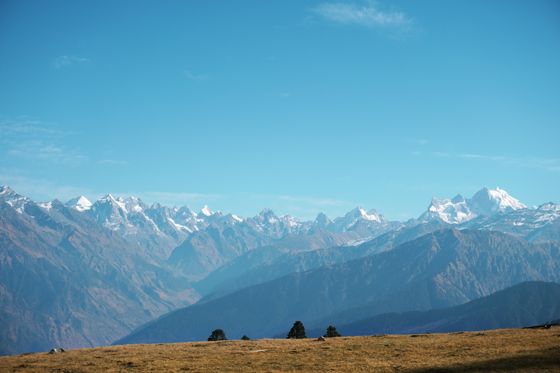
A high meadow three kilometres above the ski slopes, and the standard acclimatisation walk from Auli. Under snow January to March; grass and a long view of Nanda Devi the rest of the year.

Tosh
Kutla Trail
A short, scenic uphill trek from Tosh to the meadow hamlet of Kutla, popular for camping.

Patnitop
Sanasar Lake
A small natural lake in a bowl of meadow 20 km away, off most itineraries, and used for paragliding and wilderness camping.

Chopta (Tungnath)
Deoriatal Lake
A small lake that holds a reflection of Chaukhamba on a still morning, about two and a half kilometres up from Sari village. Camping on the far bank is permitted and is why most people come.
Pangong Tso
Spangmik Village
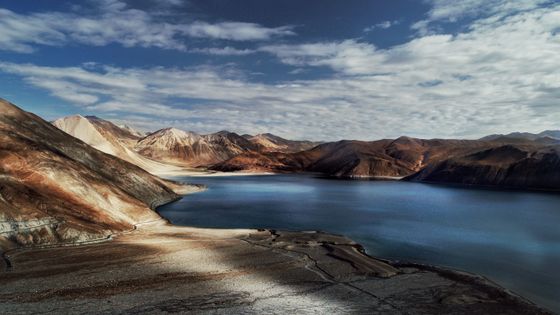
The primary rural settlement on the lake banks hosting most of the luxury tented camps and local homestays.

Dawki & Mawlynnong
Umngot River (Dawki)
The famously transparent river where boats appear to float on air; popular for boat rides and riverside camping.
Bir Billing
Billing Take-off Point
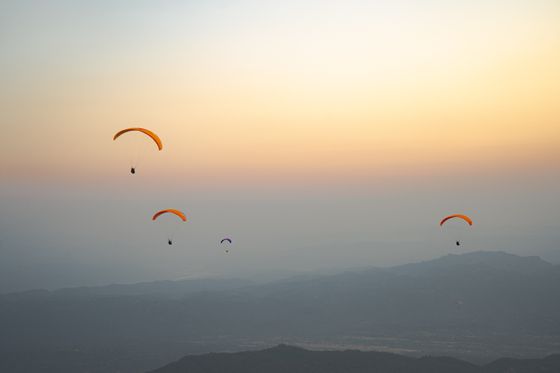
Billing is the launch meadow for Bir's paragliding: a grassy shoulder at roughly 2,400 m, about 14 km and a slow 45-minute jeep climb north of Bir village. Pilots lay out their wings here and step off into the Kangra Valley, with the landing ground at Chowgan on Bir's southern edge, close to 1,000 m below. A standard tandem flight lasts around 15 to 30 minutes depending on conditions; experienced cross-country pilots use the same ridge for flights of several hours. The flying season runs from mid-September through October, when thermals are most reliable, with some flying into November and a second window in spring. The site effectively closes through the monsoon. Bir-Billing hosted the Paragliding World Cup in 2015 — the first time the event was held in India — and is widely described as the country's paragliding capital. You do not have to fly to come up. Billing is a rewarding half-day trip on its own for the view across the Dhauladhar range, and it is a popular spot for camping and stargazing.
Dzukou Valley
Dzukou Campsite
The overnight camping ground and rest house at the heart of the valley, prized for stargazing.
Meghalaya
Dawki & Mawlynnong
Dawki and Mawlynnong sit in the southern hills of Meghalaya near the Bangladesh border, known for the crystal-clear Umngot River and for Mawlynnong's title as 'Asia's cleanest village'. Between them they make one of the Northeast's most photogenic offbeat circuits, and a busier one every year. The Umngot at Dawki is so transparent that the boats on it appear to float on air; people come to take a boat out and to camp. Mawlynnong, nearby, keeps itself clean by community effort, and has living root bridges and a sky-walk viewpoint over the plains of Bangladesh. It is a genuinely sustainable place to visit.
Nagaland
Dzukou Valley
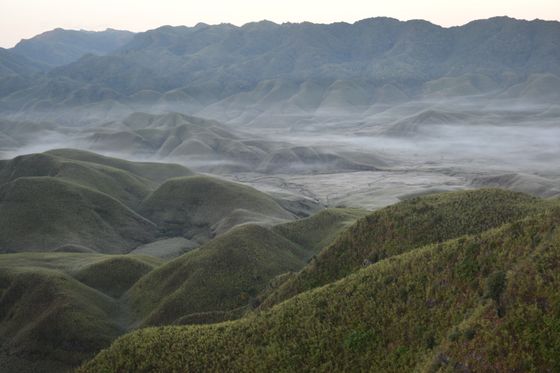
Dzukou Valley, straddling the Nagaland-Manipur border, is a high-altitude trekking paradise famous for its rolling green meadows and the rare seasonal Dzukou lily. A favourite among young trekkers and campers, it is the best overnight trek in the Northeast. Reached via steep forest trails from Viswema or Zakhama near Kohima, the valley opens into a surreal landscape of undulating grasslands cut by a winding stream. Camping under the stars, the monsoon bloom of wildflowers, and the sense of remote wilderness make it a rising bucket-list trek for adventure-minded travellers.

Andhra Pradesh
Gandikota
Gandikota, the 'Grand Canyon of India', is a dramatic gorge where the Pennar River cuts through red sandstone cliffs beside a historic fort. Camping on the canyon rim, exploring the old fort and temples, and the sunrise over the gorge have made it a rising offbeat adventure spot.
Karnataka
Gokarna
Gokarna is a coastal town in the Uttara Kannada district of northern Karnataka, and it has been two things at once for decades now. It is an ancient pilgrimage town built around the Mahabaleshwar Temple, and it is a backpacker hub. The green rocky hills of the Western Ghats come down to the Arabian Sea here and stop at the sand. The landscape splits the town in half. The old core holds brick temples and traditional Sanskrit learning centres; a short walk over the cliffs brings you to five crescent bays in a row — Kudle, Om, Half Moon, Paradise and Gokarna Beach — with bamboo yoga shacks, independent seafood cafes and quiet camping grounds on them.
Himachal Pradesh
Kasol
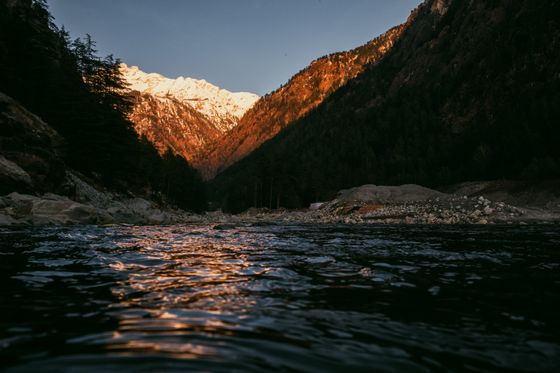
Kasol is a small riverside village in the Parvati Valley of Himachal Pradesh that has become the unofficial backpacking capital of North India. Set along the gushing Parvati River and ringed by pine-clad slopes, it draws a young, international crowd with its laid-back cafe culture, Israeli food, trekking trailheads and famously relaxed mountain vibe. Kasol functions as the base camp for the wider Parvati Valley circuit, with treks fanning out to Kheerganga, Tosh, Malana and Chalal. The main market is packed with cafes serving shakshuka and falafel, music hostels, gear-rental shops and bonfire-lit guesthouses.

Karnataka
Kodachadri
Kodachadri is a misty Western Ghats peak in Karnataka, draped in shola forests and grasslands and crowned by the ancient Sarvajna Peetha linked to Adi Shankaracharya. A favourite among young trekkers and campers, it is one of the best peak walks in South India, and you can camp at the top for sunrise. Reached via forest trails or rugged jeep tracks from Kollur, the peak rewards trekkers with cloud-sea views, the Hidlumane Falls en route, and a remote, unspoiled wilderness feel. Its mix of adventure, spirituality and raw nature makes it a rising offbeat draw.

Kerala
Meesapulimala
Meesapulimala is a summit of about 2,640 m on the Idukki district border, between the Anaimalai and Palani hills near Suryanelli, and it is not a hill you climb on a whim. The Kerala Forest Development Corporation (KFDC) runs the trek, and its brochure lays it out as an overnight. On that programme you report at KFDC's Floriculture Centre on the edge of Munnar at 2 pm and sleep at one of its stays, such as the tented base camp or Rhodo Mansion. The walk starts at 6 the next morning from Rhodo Valley, the last point a jeep can reach. KFDC's timetable gives three hours for the 4 km up and an hour and a half for the 3 km back. A study of the trail done for KFDC in 2026 put the average trek at six hours, and found the path about a metre wide, steep and eroded in places. Plan on six. There is nowhere to eat on the way, and shelter and drinking water are both poor. The way into Rhodo Valley is lined with pines. Above it the path climbs through montane grassland and patches of shola, and Kerala Tourism wrote in 2013 that with luck you may come across elephant, gaur or Nilgiri tahr. From the top you can see Anamudi and the Mattupetty and Anayirangal reservoirs, and look over the border into Tamil Nadu.
Jammu & Kashmir
Pahalgam
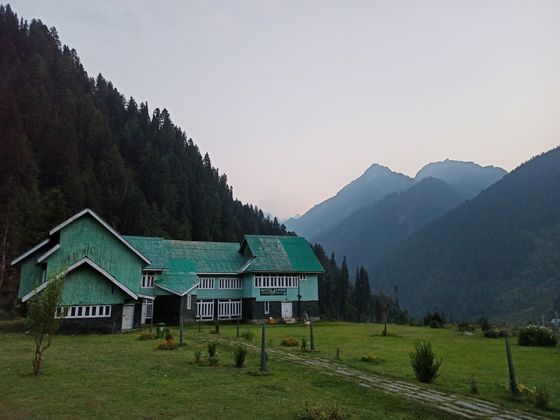
Pahalgam is a valley settlement at 2,130 metres in the Anantnag district of Kashmir, where the fast Lidder River meets the Sheshnag stream. Steep hills of old-growth pine and cedar close in on all sides. It suits anglers, walkers and people who camp. Walk out of the town and you are quickly in alpine glades like Baisaran, which everyone calls Mini Switzerland for its wide undulating meadows ringed with pine. Pahalgam is also the staging point for the Amarnath Yatra: the traditional trekking route starts upstream at Chandanwari village.


