
Cave & Hilltop Shrines
Spiritual & Pilgrimage
The ones you climb to — rock-cut sanctums, cliff caves and shrines at the top of a long flight of steps.
13 places
Kamakhya Temple
Inner Cave Sanctum
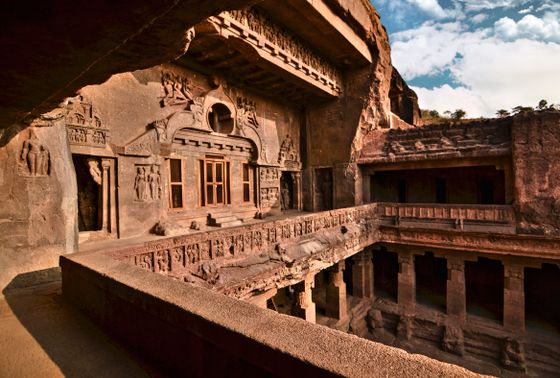
The natural subterranean stone fissure representing the Goddess, continuously fed by a sacred underground spring.
Malayattoor
St. Thomas Hilltop Shrine
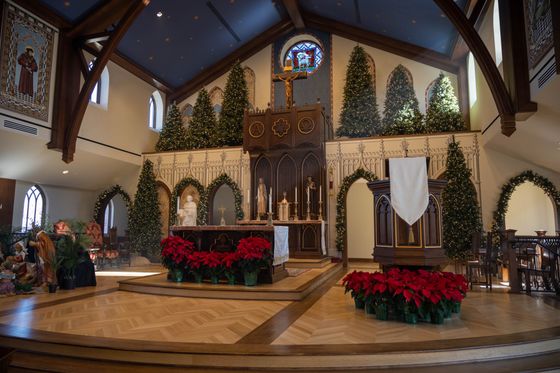
The Vatican-recognised hilltop church reached by a forest climb.
Ellora Caves
Kailash Temple (Cave 16)
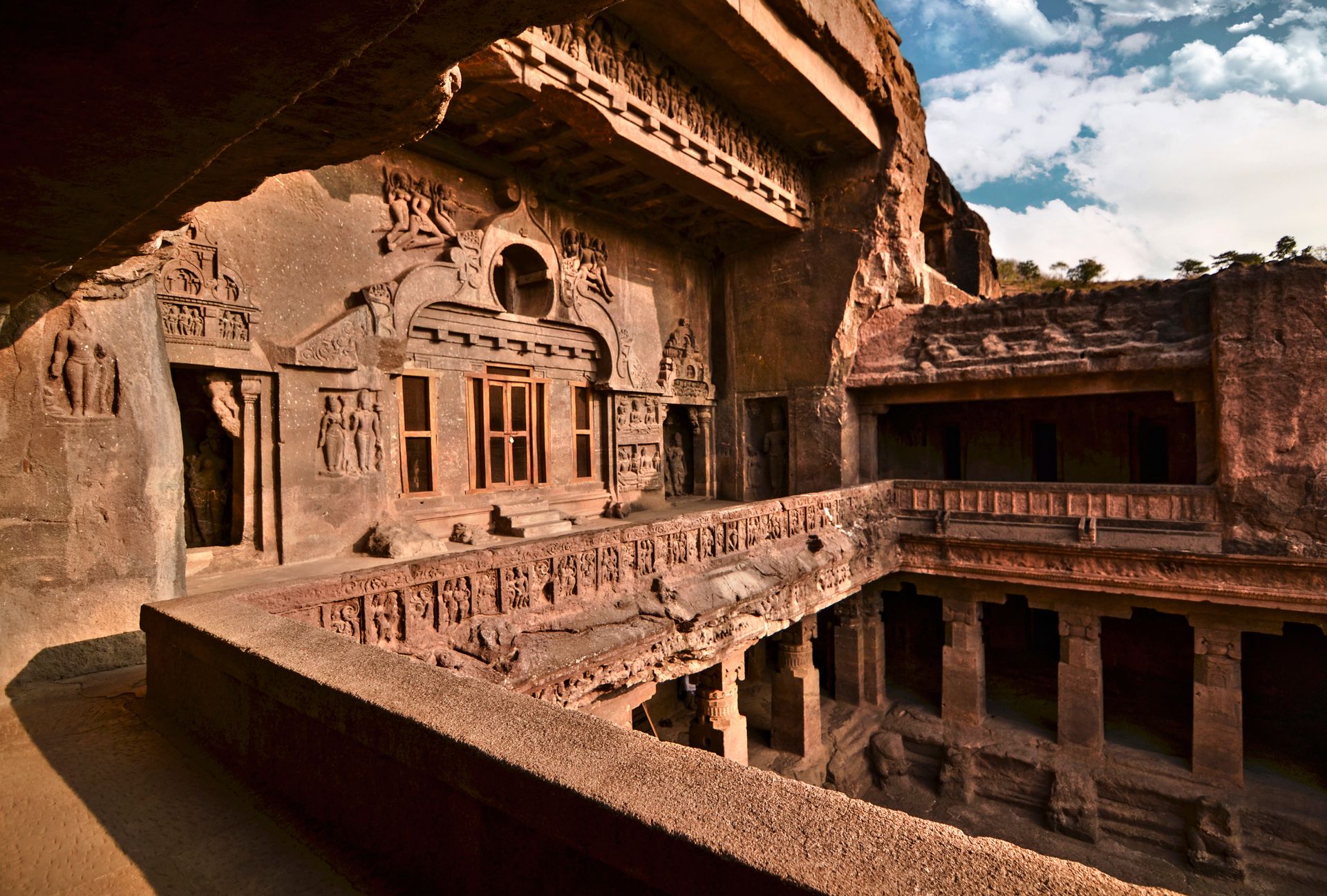
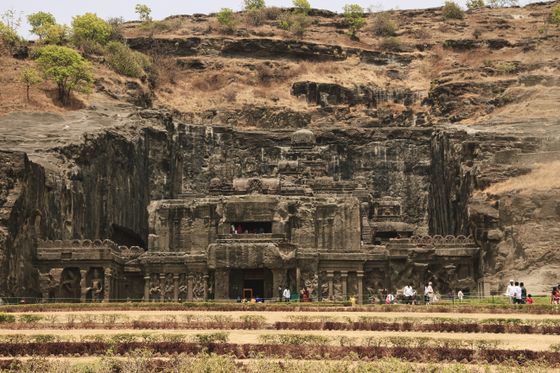
Cut downwards out of one piece of hillside in the eighth century until a complete two-storey temple stood clear of the rock — nothing was added, only stone taken away. Ellora closes on Tuesdays. Walk up the side path for the view down into it.
Gangotri
Pandav Gufa
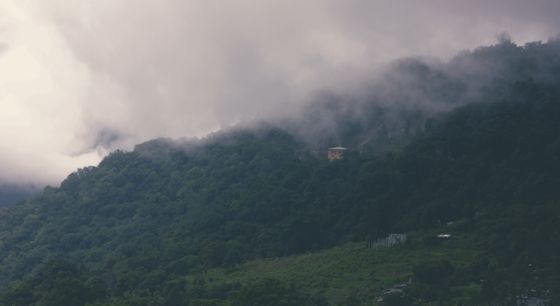
A cave a kilometre and a half out of town where the Pandavas are said to have stopped on their way into the mountains. A short walk through deodar, usually empty.
Ellora Caves
Vishwakarma Cave (Cave 10)
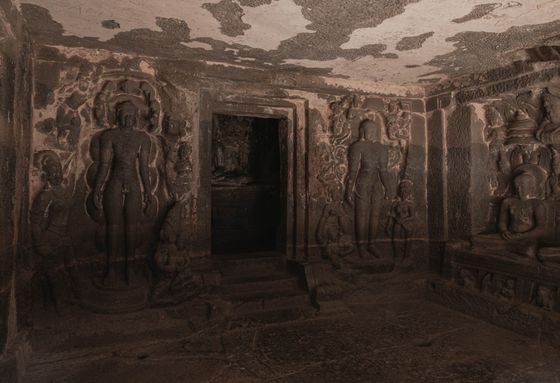
The only chaitya hall at Ellora, and its vaulted ceiling is carved in stone to imitate wooden ribs, which is where the carpenter's-cave name comes from. Stand at the back and the sound changes noticeably.
Chotila Hill
Chamunda Mata Hilltop Temple
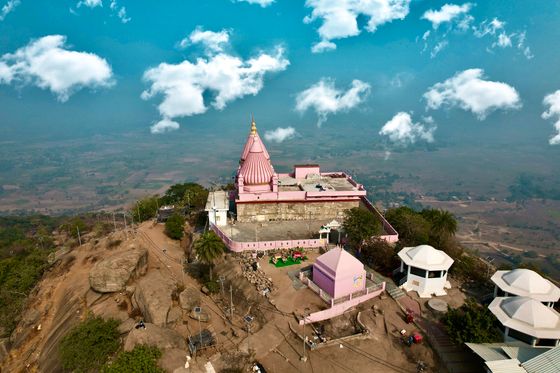
On the summit of Chotila hill, up a stair of around a thousand steps, with two icons of the goddess in one shrine. Start early: there is no shade going up and the steps get hot.
Vaishno Devi (Katra)
Ardhkuwari Gufa
The historic womb-shaped cave halfway along the trek path where the Goddess is believed to have meditated for nine months.
Jammu & Kashmir
Amarnath
Mahamaya is the name the Goddess carries here, and Trisandhyeshwar is the Bhairava who guards her. The cave opens for only a few weeks around Shravan, in July and August, and you will need a registration and a medical certificate before you set out — from Pahalgam it is three or four days in, while Baltal is fourteen kilometres and very steep. Neither way in is a stroll.

Assam
Dah Parvatiya
One carved doorframe is the reason to come. A 1924 excavation at this village just west of Tezpur turned up a sixth-century stone door frame covered in carving; the rest is a stone-paved outline of a sanctum and mandapa, from the Ahom-period brick temple raised over the older foundations. It is an ASI-protected site, so expect a guarded patch of ground rather than a monument you walk through. Ten minutes of looking closely at that frame beats an hour of wandering the plan.

Maharashtra
Ellora Caves
The Ellora Caves are a group of 34 rock-cut shrines carved into the basalt cliffs of the Charanandri Hills near Aurangabad. Stretching over two kilometres, they bring together Hindu, Buddhist and Jain temples cut between the 6th and 10th centuries CE — a rare place where all three faiths sit side by side. The centrepiece is Cave 16, the Kailasa Temple: the largest monolithic rock-cut structure in the world, carved top-down from a single cliff. Hundreds of thousands of tonnes of basalt were removed to reveal a multi-storey temple with carved pillars, life-size elephants and detailed galleries.

Odisha
Gupteswar Cave
A limestone cave shrine to Shiva, about 55 km from Jeypore in Koraput district. The entrance is modest for what it leads to, roughly 3 metres wide and 2 metres high, and there are 200 steps to climb before you reach the lingam, which believers hold is still growing. Tradition credits Rama with finding the cave and Maharajah Veer Vikram Dev with finding it again. In Shravan, pilgrims walk here barefoot with decorated bamboo palanquins called kanwadiya and bathe in the maha kund first. If you want the shrine quiet, avoid that month; if you want to understand why people come, that is exactly when to go.

Puducherry
Tiruttelicheri Parvatheeswarar Temple
The village changed its name, which is worth knowing before you ask anyone for directions: Tiruttelicheri is Koilpatthu now, out on the periphery of Karaikal. Shiva is the presiding deity here, worshipped as Parvatheeswarar, with his consort Parvathi Ammai. This is a local temple rather than a set piece, and it is not the reason anyone comes to Karaikal. Go if you are already out that way and want to see a working temple with nobody else looking at it.

Jammu & Kashmir
Vaishno Devi (Katra)
The shrine of Mata Vaishno Devi stands at 1,585 metres in the Trikuta Mountains of Jammu. Katra is the base town, and from there millions of pilgrims walk 12 km uphill on a well-built mountain path to reach the cave temple, the Bhawan. Inside the natural rock cave there is no idol. The goddess is worshipped as three natural rock Pindis — Maha Kali, Maha Lakshmi and Maha Saraswati, the creating, sustaining and transforming aspects of Shakti. The Shri Mata Vaishno Devi Shrine Board (SMVDSB) runs the whole operation around the clock, with automated crowd-tracking lanes and shelters along the route.

