
Lakes & Dams
Weekend Getaways
Somewhere flat and blue to sit next to for two days.
19 places
Alleppey (Backwaters)
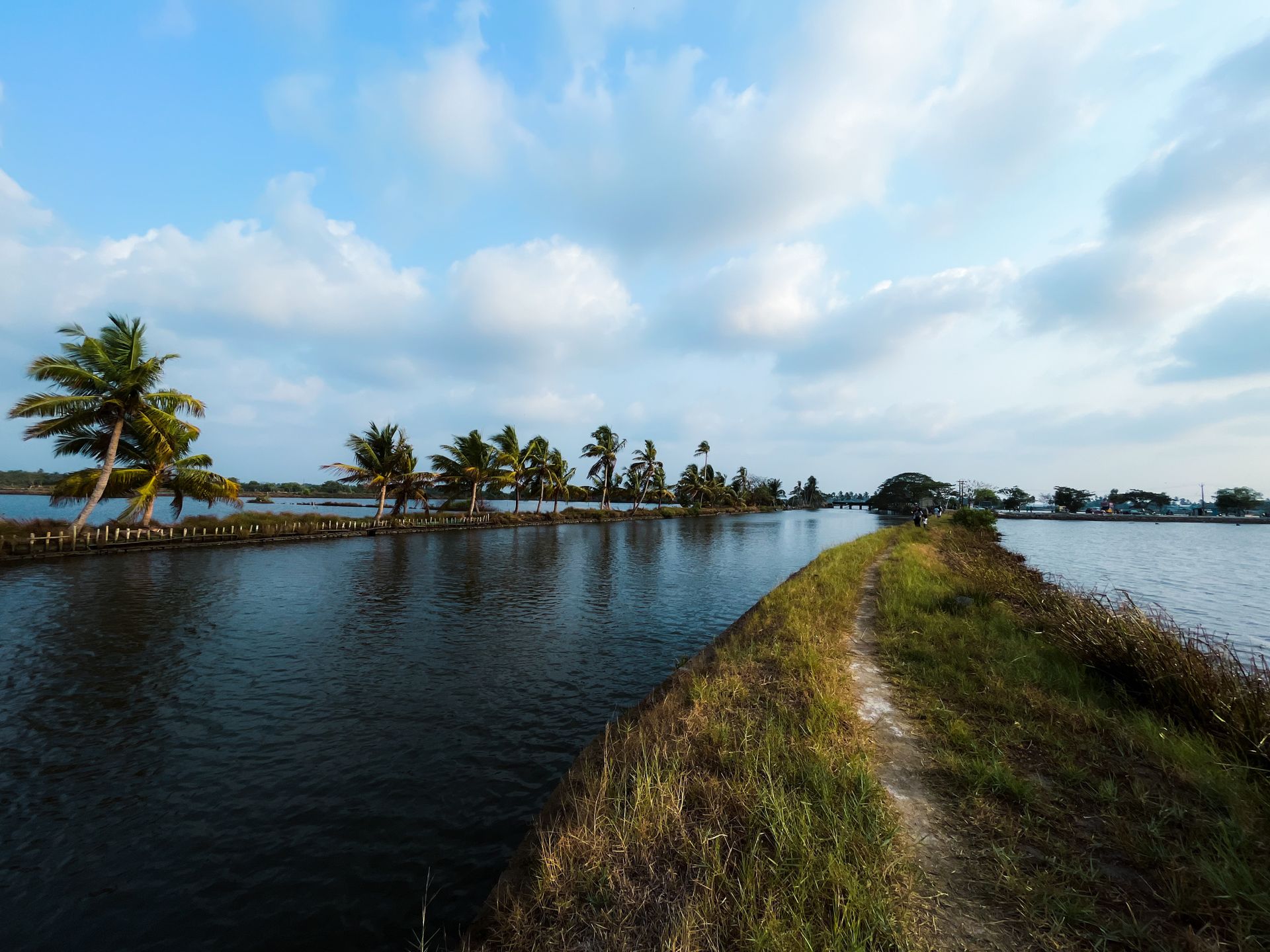
Punnamada Lake Track
The historic backwater stretch that hosts the annual Nehru Trophy snake boat races, popular for evening walks.

Mount Abu
Nakki Lake
The lake at the centre of Rajasthan's only hill station, up in the Aravallis, and the reason Mount Abu gets called an oasis in the desert — a plateau twenty-two kilometres long carrying rivers, waterfalls and evergreen forest, in a state that has very little of any of them. Pedal boats go out from the shore and the walk around the water is the town's evening ritual. The rock formations on the ridge above have collected names over the years; Toad Rock is the one everybody photographs. The lake is treated as sacred, so it is a place to walk around rather than swim in.
Dakor
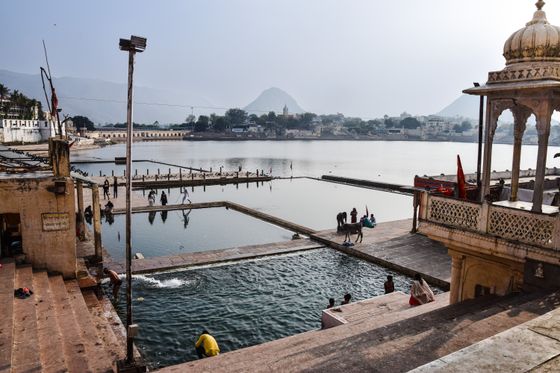
Gomti Lake and Ghats
The tank opposite the temple gates, with wide stone steps for ritual bathing and a shrine to Bodana, the devotee the Dakor story turns on. Boats run in the afternoons, mostly for local families.

Alleppey (Backwaters)
Vembanad Lake Basin
India's longest lake. The luxury houseboats run their circuits here, and the traditional resorts stand along its shores.
Khajjiar
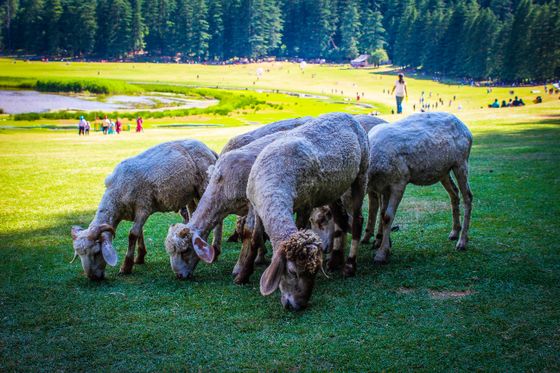
Khajjiar Lake
A small lake in the middle of the meadow with a floating mat of weed drifting across it. It is silting up and smaller than it was, so temper any expectation set by older photographs.
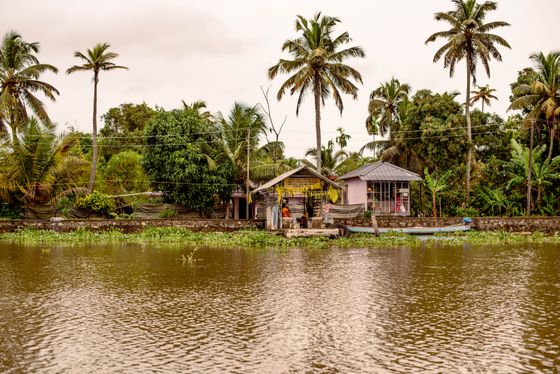
Cherai Beach
Backwater Edge
Where the beach borders Kerala's backwaters on Vypin Island.

Patnitop
Sanasar Lake
A small natural lake in a bowl of meadow 20 km away, off most itineraries, and used for paragliding and wilderness camping.

Nainital
Naini Lake
The town's central lake, famous for boating and the lakeside Mall.
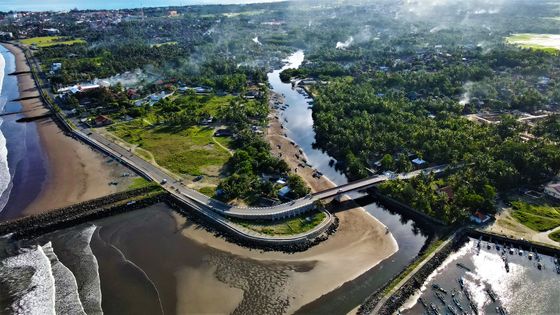
Varkala Beach
Kappil Lake Estuary
A scenic coastal spot 6 km north where a quiet backwater lake meets the sea, split beautifully by a beach highway.

Mahabaleshwar
Venna Lake
Man-made, dug in 1842 to supply the town with water and now given over to pedal boats and pony rides. Crowded and commercial, and perfectly good for an hour with children.
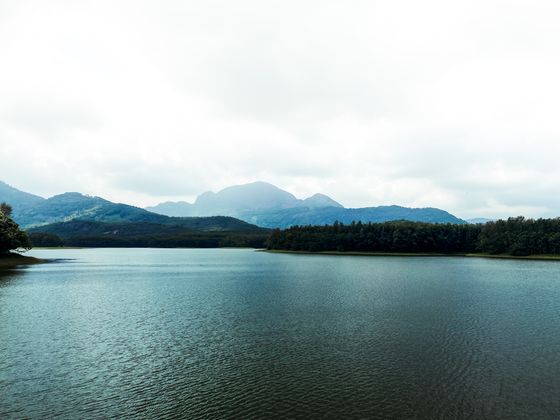
Matheran
Charlotte Lake
The primary natural water reservoir basin on the plateau, surrounded by dense evergreen forests and hosting an ancient temple shrine.

Chandigarh
Sukhna Lake
A scenic man-made lake popular for boating and sunset walks.

Udaipur
Lake Pichola
Artificial, dammed in 1362 and named after the village of Picholi — one of a chain of lakes built around Udaipur to hold drinking and irrigation water, not for the view they are now famous for. Four islands sit in it, among them Jag Niwas, which carries the Lake Palace, and Jag Mandir. Boats leave from inside the City Palace and the sunset run is the one people book. In bad drought years this lake has emptied completely, so check the water level before you plan a trip around it.

Kodaikanal
Kodaikanal Lake
Man-made, dug in the 1860s, and star-shaped only from the air. The five-kilometre perimeter road is the good part, so hire a bicycle. Boats are rowed or pedalled and the queue at the boat club is long on weekends.

Saputara
Saputara Lake
The lake in the middle of town, with boats on it and a path around the edge. Half an hour, and it is what everyone does on arriving.
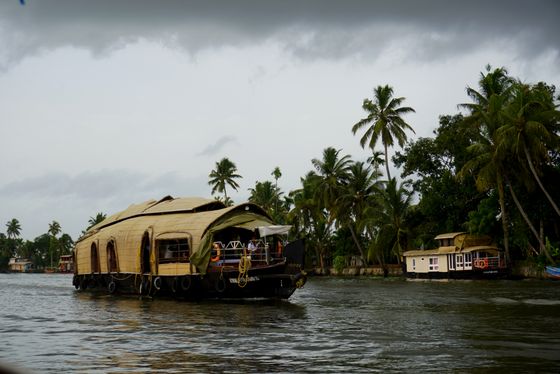
Kerala
Alleppey (Backwaters)
The mistake in Alleppey is the day boat. A houseboat only becomes worth it once the day-trippers have gone home and the water goes quiet. Book an overnight, and if you can, book a smaller boat that can leave the main channel. The big two-storey ones are restricted to the wide canals where they queue up alongside each other; the small ones get into the narrow waterways between the paddy fields, which is where the backwaters stop being a boat trip and start being a place where people live. Better still, spend a morning on a public ferry. The government service from Alleppey to Kottayam costs almost nothing, takes a couple of hours, stops at village jetties, and carries schoolchildren and shopping. You will see more of the actual backwaters from its deck than from most houseboats. The paddy fields here are farmed below sea level, kept dry by dykes and pumps — Kuttanad is one of the few places in the world where that is done. October to March. The monsoon has its own case, and the snake boat races in the wet season are worth planning around, but the water is high and the light is grey.

Uttarakhand
Bhimtal Lake
Bhimtal is the largest lake in Nainital district and the largest in Kumaon, the region known as the lake district of India, and second in Uttarakhand by surface area. A masonry dam built in 1883 created the storage, so the level you see is held rather than natural. At the centre is an island developed for visitors, with an aquarium on it, a small attraction that will not hold an adult long. The water works for a living as well, supplying drinking water and supporting aquaculture across several fish species.
_Dhanbad.jpg/960px-Panchet_Dam_(DVC)_Dhanbad.jpg)
Jharkhand
Panchet Dam
Panchet closed out the first phase of the Damodar Valley Corporation, the last of four multi-purpose dams the DVC built in that round, opened in 1959 across the Damodar at Panchet in Dhanbad district. Go knowing what it is. This is working infrastructure from the early years of the republic, not a monument with a ticket counter, and how much you take from it depends entirely on whether mid-century Indian engineering holds any interest for you. If it does, it is a straightforward detour from anywhere in Dhanbad district. If it does not, skip it.
Jammu & Kashmir
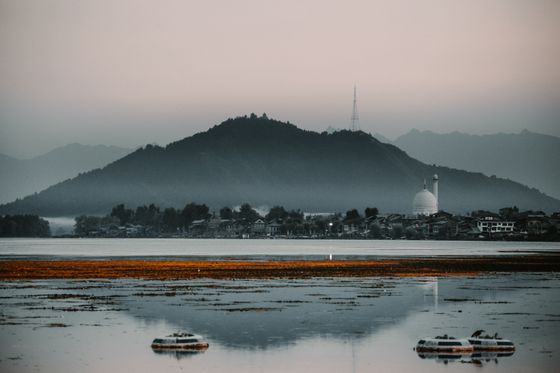
Srinagar (Dal Lake)
Srinagar is a lake city, and the difference between a good stay and a mediocre one is which part of the lake you sleep on. Take a houseboat, but ask where it is moored. The boats near the Boulevard are convenient and noisy with traffic; the ones further out towards Nagin lake are quieter and give you the mornings the place is famous for. Shikara rides are priced by the hour and by negotiation — agree the route and the price before you get in, or you will be taken to a floating handicraft shop instead. The Mughal gardens — Shalimar, Nishat, Chashme Shahi — are terraced up the eastern hillside and are best in the first hour after opening. The vegetable market on the water at dawn is the real thing, and it means being up before five. Papier-mâché and Kashmiri walnut wood are genuine crafts here and worth buying properly rather than roadside. Check current advisories before you book, and do that close to your travel date rather than months out. April and May for the blossom, and June to August is the season most Indians come. Winter is cold, beautiful and quiet.