

Near Ahmedabad
Weekend Getaways
Saurashtra, the Rann and the Gujarat coast — a long weekend either way.
11 places
Gujarat
Ahmedabad
Ahmedabad's old city is a UNESCO World Heritage Site and the way to see it is a walk that starts at seven in the morning. The heritage walk from Swaminarayan temple to Jama Masjid takes a couple of hours and goes through the pols — dense residential quarters, each historically one community, with shared courtyards, carved wooden facades and bird feeders on tall poles. Doing this without a guide means missing all of it, because the pols look like ordinary lanes from outside. The Sidi Saiyyed mosque's stone jaali — the tree-of-life screen — is the image the city is known for, and it takes five minutes to see. The Adalaj stepwell, half an hour out, takes longer and gives more. Gandhi's Sabarmati Ashram is plain and unglamorous by design. Sit in it for a while rather than walking through. Gujarat is a dry state; alcohol is not served. The city eats vegetarian extremely well as a result — the Gujarati thali here is one of India's great meals. November to February. April and May routinely pass forty-two degrees.

Gujarat
Bhavnagar
Bhavnagar is a historic coastal city, founded in 1723 by Maharaja Bhavsinhji Gohil on the western rim of the Gulf of Khambhat. It spent centuries as a maritime trading capital exporting the region's goods, and now takes in business travellers as readily as those who come for its history. Grand colonial buildings and public squares fill the centre, the hilltop temples look out over working industrial shipping lock gates rather than over anything prettier, and the city is the main way in to the world-famous blackbuck savanna at Velavadar.

Gujarat
Dakor
Dakor is a temple town in the Kheda district of central Gujarat, built around the Ranchhodraiji Temple and the stone-stepped Gomti Lake. Its Krishna deity is one of the region's most revered; local legend says the image came from Dwarka out of love for a devotee named Bodana. The town is busiest on full-moon days, when large crowds gather for prayers.

Gujarat
Gandhinagar
Gandhinagar is Gujarat's planned capital, laid out on the west bank of the Sabarmati by the architects H.K. Mewada and Prakash M. Apte in an orderly grid of 30 sectors. It is recognised internationally as one of India's greenest administrative capitals. Government is the city's main business, but plenty of visitors come for other reasons: the large exhibition halls, the tree cover and nature parks, and the very big temples.

Gujarat
Kalo Dungar (Black Hill)
Kalo Dungar, or Black Hill, is the highest point in Kutch, rising about 462 metres above the desert not far from the Pakistan border. It is famous for the view from its edge, where the land drops away to the white salt flats of the Great Rann of Kutch — at its best around sunset.
Rajasthan
Mount Abu
Rajasthan's only hill station, at 1,220 metres on a granite plateau in the Aravallis, and it exists largely because Gujarati and Rajasthani families need somewhere cool in May. Dilwara is the reason to make the climb: five Jain temples, twelfth to sixteenth century, in white marble carved thin enough in the ceilings that light comes through. No cameras inside, and non-Jains are admitted only from midday — plan the day around that, because most people get it wrong and lose a morning. Nakki Lake in the middle of town is pedal boats and crowds. Guru Shikhar, the highest point in the Aravallis, is a short drive and a flight of steps. Sunset Point is exactly as busy as it sounds. November to February is cool and can drop below freezing at night — the only place in Rajasthan where that happens. Busiest in May and June, and over Diwali.

Gujarat
Navsari
Navsari is an old town near the Purna river delta in south Gujarat, long linked with neighbouring Surat. It is an important centre of Parsi heritage in India, home to some of the community's oldest fire temples. Just offshore is Dandi, where Mahatma Gandhi ended his Salt March in 1930.
Gujarat
Saputara
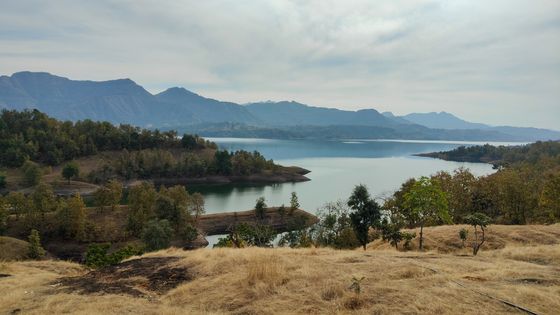
Saputara is the most built-up of Gujarat's few hill stations — Don, at the same thousand metres, has almost nothing on it — which makes Saputara modest by Himalayan standards and genuinely useful if you are anywhere near Surat or Ahmedabad. It sits at about a thousand metres in the Dang forests near the Maharashtra border. The lake at the centre is the focus — boating, a promenade, and a ropeway up to the sunset point. None of it is dramatic. What is good is the drive in through the Sahyadri forest, the Gira waterfall after the monsoon, and the tribal museum, which is small and better than it needs to be. The monsoon and the weeks just after it are when this place justifies itself. The Saputara Monsoon Festival runs through those months, the forest is fully green and the waterfalls are actually falling. By March the hills have gone brown and the lake is low. Set your expectations to a cool weekend in the woods rather than a mountain trip, and it holds up. Two nights is right; a week would be too long. July to November.
Rajasthan
Udaipur
Udaipur, the 'City of Lakes', sits among the green Aravalli Hills, built around a chain of interconnected lakes created over the centuries for water and defence. The largest, Lake Pichola, is the visual centre of the city, its shores lined with white marble palaces, bathing ghats and lakefront hotels. The grandest is the City Palace, which is really eleven palaces built against each other over four centuries by successive maharanas — which is why the inside is a maze of levels and courtyards rather than a single plan. Udaipur has a noticeably slower pace than Rajasthan's other big cities. In bad drought years Pichola has emptied completely, so if the lake is the reason you are coming, check before you book.
Gujarat
Vadodara
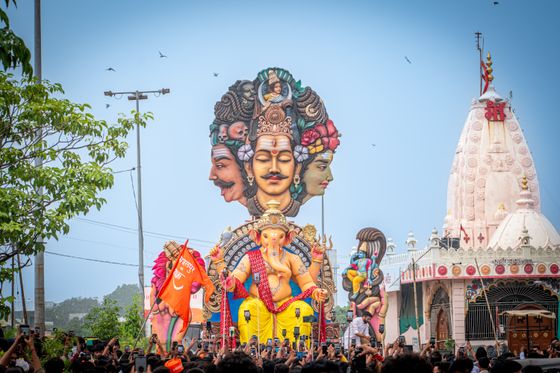
Vadodara, historically Baroda, is the cultural capital of Gujarat, and the Gaekwad dynasty made it the grand city it is. The palaces are opulent, the art academies are serious, the public gardens are vast, and the old royal city and the modern industrial one sit side by side.

Gujarat
Valsad
Valsad, once known as Bulsar, sits at the southern tip of Gujarat on the Arabian Sea. It is known for its mango orchards — the source of much of the region's Alphonso (Hafoos) crop — and mixes an industrial economy with easygoing coastal and temple tourism. With black-sand beaches and the union territory of Daman close by, it is a popular weekend break for visitors from Gujarat and Maharashtra.


