

Near Mumbai
Weekend Getaways
The Sahyadri escape — ghats, forts and the Konkan coast south of the city.
10 places

Maharashtra
Alibaug Beaches
Located right in the heart of Alibaug town, this historic beach sits just 95 km from Mumbai by road, or a quick 45-minute ferry ride from Gateway of India to Mandwa jetty. Alibaug Beach is famous for its dark magnetic sand and its direct views of the offshore Kolaba Fort. During low tide, the ocean waters recede completely, allowing visitors to walk or take horse-carts across the wet sea bed to the fort.

Gujarat
Bhavnagar
Bhavnagar is a historic coastal city, founded in 1723 by Maharaja Bhavsinhji Gohil on the western rim of the Gulf of Khambhat. It spent centuries as a maritime trading capital exporting the region's goods, and now takes in business travellers as readily as those who come for its history. Grand colonial buildings and public squares fill the centre, the hilltop temples look out over working industrial shipping lock gates rather than over anything prettier, and the city is the main way in to the world-famous blackbuck savanna at Velavadar.

Maharashtra
Mahabaleshwar
Mahabaleshwar sits at 1,353 metres on a broad plateau ridge of the Sahyadri range in Satara district, the highest and most extensive hill resort in Maharashtra, with dense evergreen forest, steep river canyons and terraced fields on every side. The town has kept its old colonial character, and the viewpoints step out over the valley in tiers — Arthur's Seat is the one to walk to. Venna Lake, at the centre, is artificial. The soil around here is famously fertile and grows fruit on a commercial scale, including nearly 85 percent of the country's strawberries.
Maharashtra
Matheran
Matheran bans motor vehicles inside the town, which makes it the quietest place within two hours of Mumbai and the only hill station in Asia to enforce that. Cars stop at Dasturi Naka and you walk the last stretch in, or take a hand-pulled rickshaw or a horse. The other way up is the narrow-gauge train from Neral, which takes a couple of hours to cover about twenty kilometres and is worth doing once, when it is running. Everything here is a walk on red laterite paths through forest to a numbered viewpoint — Louisa for Prabal fort, Panorama for the sunrise, Echo for the obvious. Wear shoes you do not mind ruining: the dust is iron-red and gets into everything. Come on a weekday. At weekends the horse traffic on the paths is heavier than the foot traffic. October to May. The monsoon closes the train and turns the paths to slurry.
Maharashtra
Mumbai
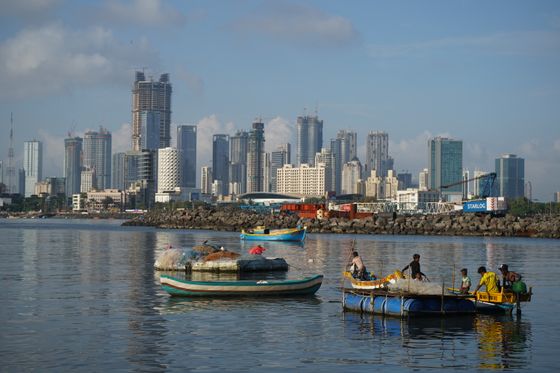
Mumbai runs on its trains, and the fastest way to stop being a tourist here is to work out which line you need and get on it. The stretch people photograph without knowing what it is runs from Chhatrapati Shivaji Terminus down to Oval Maidan: Victorian Gothic on one side, Art Deco on the other, facing each other across the park. It is a UNESCO World Heritage Site and it is best walked at seven in the morning when the light is low and the traffic has not started. Skip the crush at the Gateway of India unless you are taking the ferry to Elephanta, which is worth a half day for the rock-cut Shiva in cave one. Instead go to Banganga tank in Walkeshwar — a stepped water tank in the middle of the richest neighbourhood in India, almost always empty of visitors. Monsoon, June to September, is when the city is most itself and most difficult. The rain is genuinely heavy, the trains flood, and locals will tell you both that it is beautiful and that they dread it. Both are true. November to February is the easy window.

Gujarat
Navsari
Navsari is an old town near the Purna river delta in south Gujarat, long linked with neighbouring Surat. It is an important centre of Parsi heritage in India, home to some of the community's oldest fire temples. Just offshore is Dandi, where Mahatma Gandhi ended his Salt March in 1930.
Maharashtra
Pune
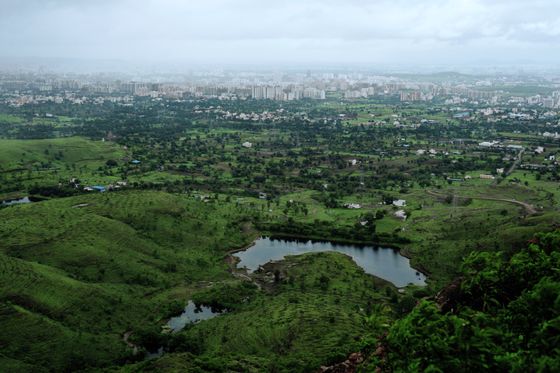
Pune, the cultural heart of Maharashtra, blends Maratha history with a youthful student-and-tech energy. Home to Shaniwar Wada, the Aga Khan Palace, Osho's ashram and gateway to nearby Sahyadri forts and hill stations, it is an easy city to live in.
Gujarat
Saputara
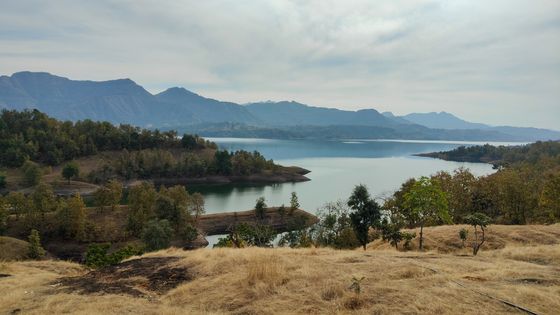
Saputara is the most built-up of Gujarat's few hill stations — Don, at the same thousand metres, has almost nothing on it — which makes Saputara modest by Himalayan standards and genuinely useful if you are anywhere near Surat or Ahmedabad. It sits at about a thousand metres in the Dang forests near the Maharashtra border. The lake at the centre is the focus — boating, a promenade, and a ropeway up to the sunset point. None of it is dramatic. What is good is the drive in through the Sahyadri forest, the Gira waterfall after the monsoon, and the tribal museum, which is small and better than it needs to be. The monsoon and the weeks just after it are when this place justifies itself. The Saputara Monsoon Festival runs through those months, the forest is fully green and the waterfalls are actually falling. By March the hills have gone brown and the lake is low. Set your expectations to a cool weekend in the woods rather than a mountain trip, and it holds up. Two nights is right; a week would be too long. July to November.

Maharashtra
Shirdi
Shirdi is one of India's most visited pilgrimage towns, the home of the revered saint Sai Baba, who preached love, tolerance and the unity of all faiths. The Samadhi Mandir enshrining his tomb draws tens of millions of devotees of every religion each year.

Gujarat
Valsad
Valsad, once known as Bulsar, sits at the southern tip of Gujarat on the Arabian Sea. It is known for its mango orchards — the source of much of the region's Alphonso (Hafoos) crop — and mixes an industrial economy with easygoing coastal and temple tourism. With black-sand beaches and the union territory of Daman close by, it is a popular weekend break for visitors from Gujarat and Maharashtra.
