
Near Bengaluru
Weekend Getaways
Coffee country, the Cauvery, and the hills on the Tamil Nadu border.
8 places
Karnataka
Bengaluru (Bangalore)
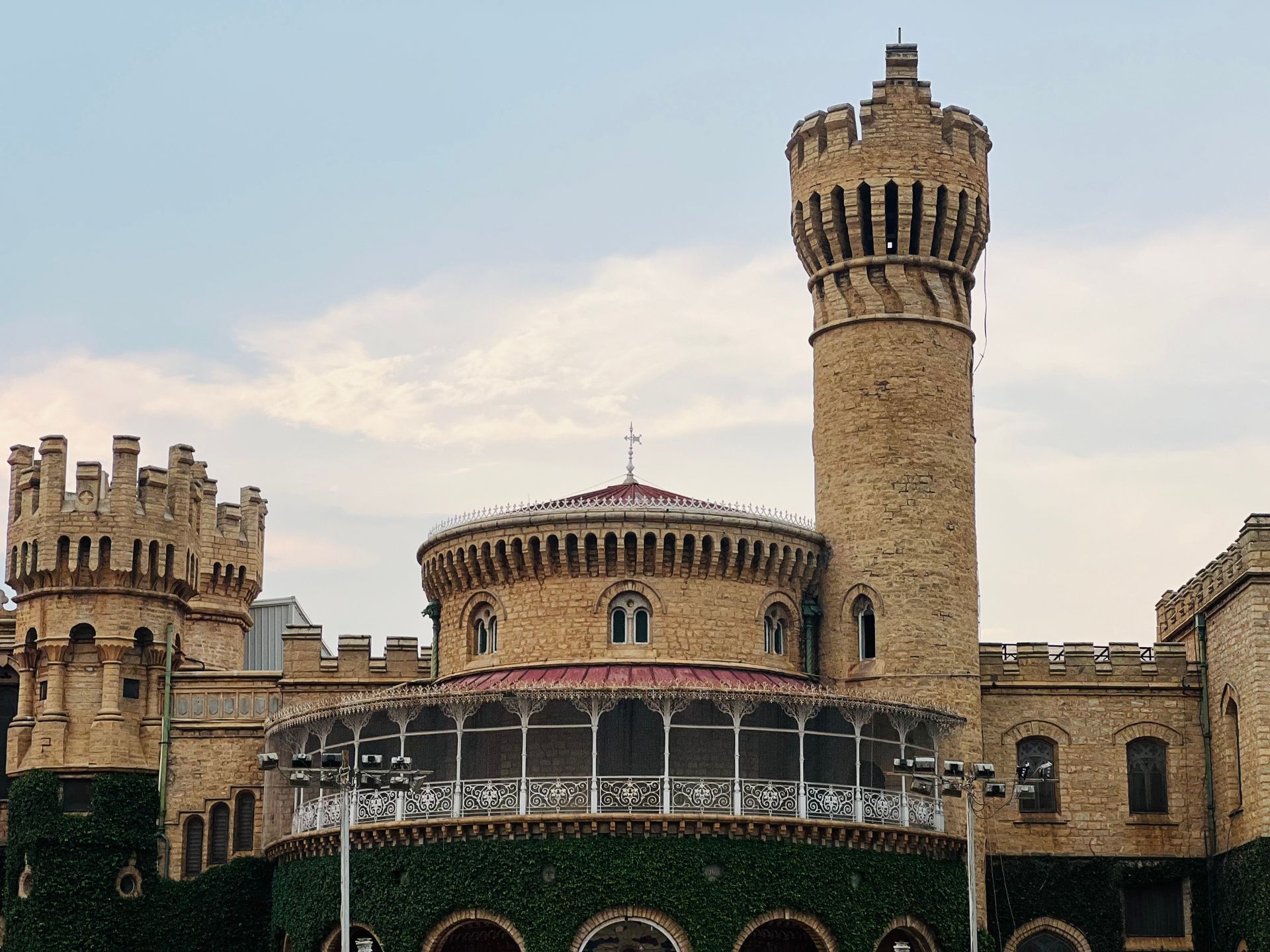
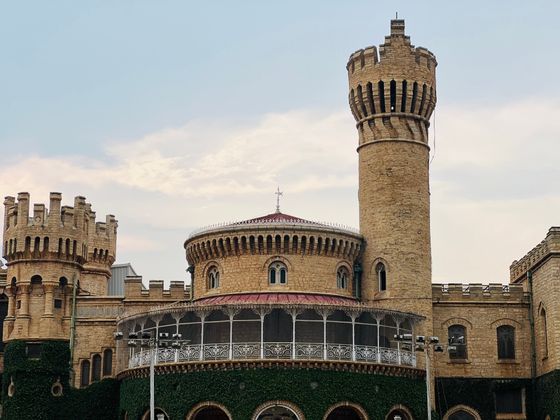
Bengaluru is not a sightseeing city and trying to make it one is the mistake. Come for a weekend of eating, drinking, walking in the parks, and buying books. Lalbagh and Cubbon Park are the reason the place was liveable, and early morning in either is the best hour of the day. The Lalbagh rock is one of the oldest exposed surfaces on the subcontinent and almost nobody goes up it. VV Puram's food street after dark, the Russell Market in Shivajinagar in the morning, filter coffee standing up at a darshini — those are the actual experiences here. The city has the best independent bookshops in India and a working craft beer scene, both of which are genuine, not manufactured for visitors. What it does not have is a monument you must see. Tipu Sultan's summer palace and Bangalore Palace are both twenty-minute visits at most. The traffic is as bad as you have heard. Plan two things a day, in the same part of town, and use the Metro where it goes. The weather is the point — pleasant almost year-round, which is why everyone moved here.

Karnataka
Coorg (Madikeri)
Coorg is coffee country, and the point of coming is to stay on an estate rather than in Madikeri, which is a hill town with traffic. Both arabica and robusta grow here under shade, with pepper vines climbing the same trees. Arrive around March and the coffee is in flower and the whole district smells of it for about a week — the best time to be here, and almost nobody plans for it. Abbey Falls runs through a private estate and is full only in the monsoon. Namdroling at Bylakuppe is the largest Nyingma monastery outside Tibet, and foreign nationals need a permit for it. Talakaveri, where the Kaveri rises, is a drive up and often inside cloud. Kodava food is worth hunting down and is on few menus — pandi curry and kadambuttu, usually only at homestays, and usually only if you ask the night before. October to March is dry. June to September is heavy rain, and the leeches come out on the walks.
Tamil Nadu
Kodaikanal
Kodaikanal sits at 2,133 metres on a plateau ridge of the Palani Hills in Dindigul district, ringed by dense pine forest, rugged granite cliffs and waterfalls. It is the 'Gift of the Forest', and one of South India's mountain resorts. The town gathers round the star-shaped Kodaikanal Lake, where people cycle, ride horses and take boats out. Beyond the cool mountain air, what is good here is the old institutional architecture, the wide pine-fringed walks such as Coaker's Walk, and the sheer drops at the plateau's edge looking out over the rolling lowlands.
Tamil Nadu
Marina Beach (Chennai)
One of the world's longest urban beaches, Chennai's Marina is a vast city shoreline of promenades, statues, sunrise crowds and street food along the Bay of Bengal. The best months to visit are roughly November to February, when seas are calm and skies are clear; the monsoon (June to September) brings rough water and many beach shacks shut. Plan water sports and swimming for the dry winter window.
Kerala
Munnar
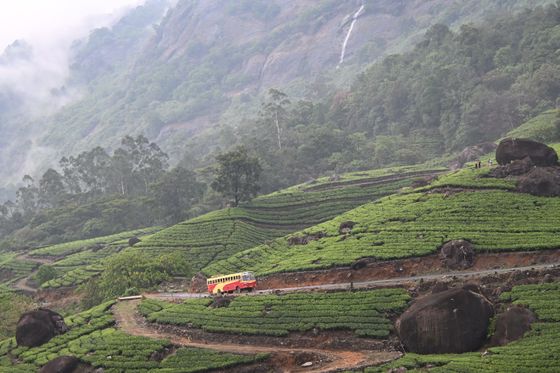
Munnar is a hill station at about 1,600 metres in the Western Ghats of Idukki district, set where three mountain streams meet — the Mudrapuzha, the Nallathanni and the Kundala. What you see in every direction is tea: rolling, unbroken, commercially farmed and organic. Around the town the valleys hold dense shola forest, spice farms and high grass hills usually under mist. The town itself is where you base yourself for the country beyond it, including the protected cliffs of Eravikulam National Park and Anamudi, the highest peak in South India.
Tamil Nadu
Ooty (Udhagamandalam)
Ooty sits at 2,240 metres and was built by the British as a hot-weather escape, which is still exactly what it is used for — and why April and May are the months to avoid, when the plains empty into it. The Nilgiri Mountain Railway is the best thing in the district. It climbs from Mettupalayam on a rack-and-pinion section, takes about five hours, and is UNESCO-listed. Book ahead in season or take the ordinary carriage, which is fine. Doddabetta, the highest point in the Nilgiris, is ten kilometres out and usually inside cloud by afternoon. The Botanical Garden dates from 1848 and has a fossil trunk around twenty million years old in it. The lake is man-made and rented out by the hour. Tea here is grown for volume rather than for named estates, and the roadside shops sell a great deal of flavoured dust. Buy from an estate if you care about it. September to November, and January to March.
Puducherry
Paradise Beach (Pondicherry)
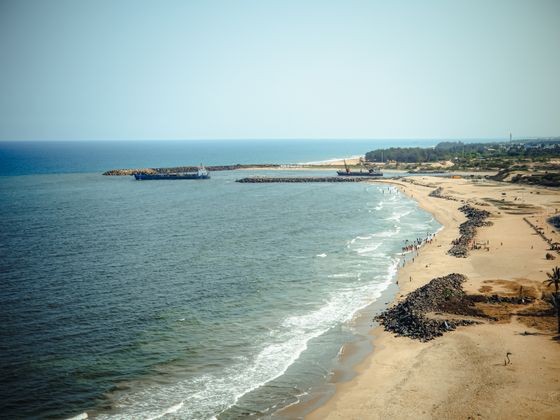
Reached by a short backwater boat ride from Chunnambar near Pondicherry, Paradise Beach is a clean golden sandbar between lagoon and sea, popular for day trips. The best months to visit are roughly November to February, when seas are calm and skies are clear; the monsoon (June to September) brings rough water and many beach shacks shut. Plan water sports and swimming for the dry winter window.
Puducherry
Pondicherry (Puducherry)
Pondicherry's French quarter is about six streets deep, and knowing that in advance saves the disappointment of expecting a French town. What is there is genuinely good: ochre walls, bougainvillea, shuttered colonial houses, and a seafront promenade that closes to traffic in the evening and fills with the whole town walking. The Tamil quarter across the canal is larger, older and rarely visited, and the two architectural traditions meeting along that line is the actual interest of the place. The beach in Pondicherry town is rock, not sand. People arrive expecting to swim and cannot. For sand you go north to Auroville's beaches or south towards Chunnambar. Auroville, twenty minutes out, is a serious experiment in communal living rather than an attraction. Visitors can see the Matrimandir from a viewing point; going inside needs booking days ahead and is not casual. October to March. April and May are hot and humid, and the north-east monsoon in October and November brings real rain.


