
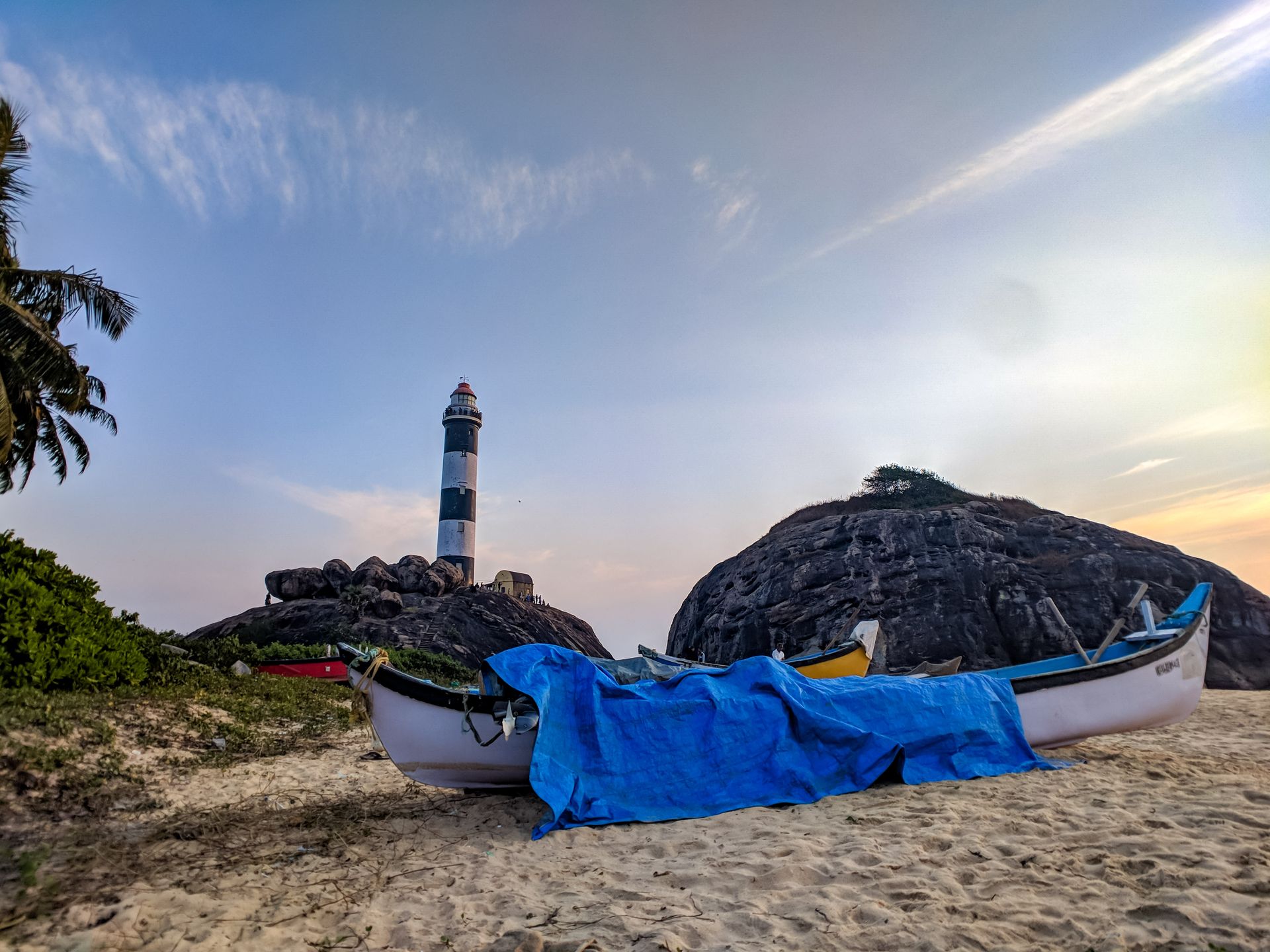
Attractions in Kaup (Kapu) Beach
1 place to see, with what each one is and how long it takes.
Elsewhere in Karnataka
Not in Kaup (Kapu) Beach — these are in other towns across the state.

Attraction
About seventy feet, dropping through a private coffee estate and seen from a suspension bridge rather than from the base. Full in the monsoon and a trickle by March.

Attraction
The stone chariot is a Garuda shrine rather than a vehicle, and its wheels once turned. The musical pillars in the hall are now roped off — too many people struck them. Come at opening; this is the most visited thing in Hampi.

Attraction
Hoysala work from 1117, cut in soapstone, which holds detail granite will not. The forty-two bracket figures under the eaves are what people come for. Still a working temple, so shoes off, and expect a queue at festival times.

Attraction
The 17 m monolithic statue of Bahubali atop Vindhyagiri hill.
Attraction
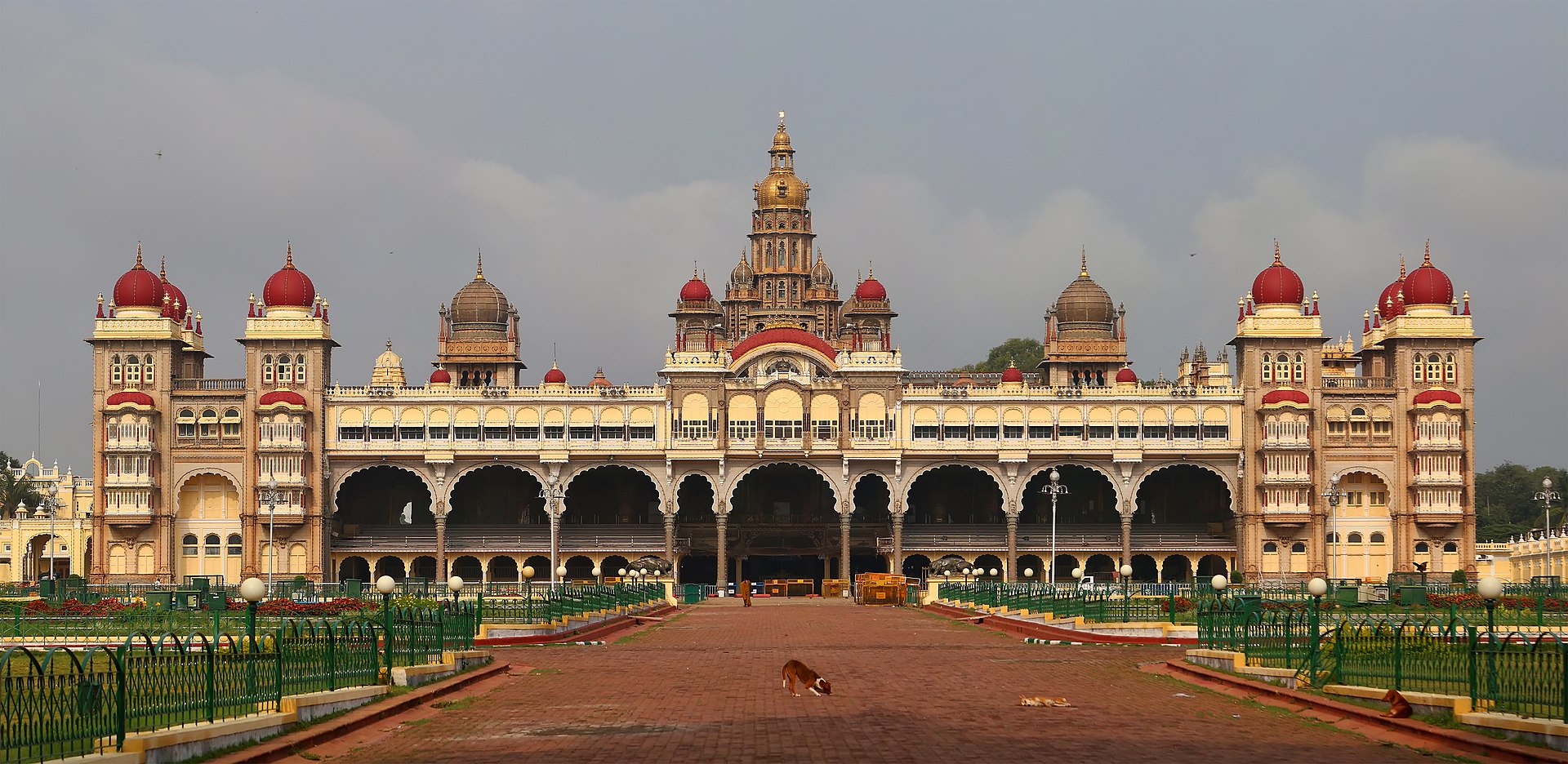
The royal palace: three storeys of carved mahogany ceilings, stained-glass pavilions and museum rooms of rare weapons.
Attraction
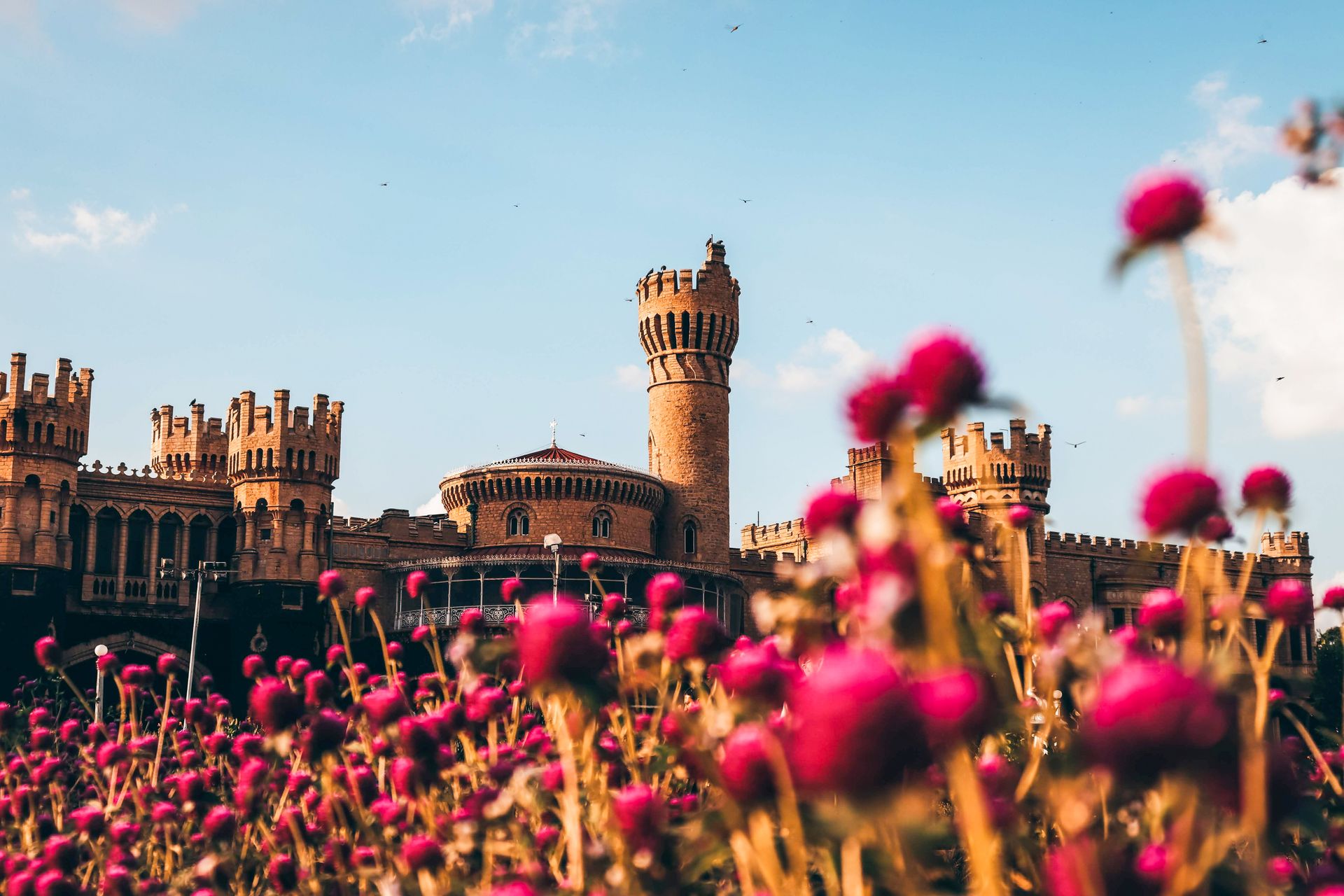
A Tudor-style royal palace with grand interiors and grounds.

Attraction
The towering 100-foot-high historic entrance gateway decorated with intricate silver work doors and multi-tiered structural reliefs.

Viewpoint
The grassland summit with the Sarvajna Peetha shrine and panoramic cloud-sea sunrise views.
Attraction
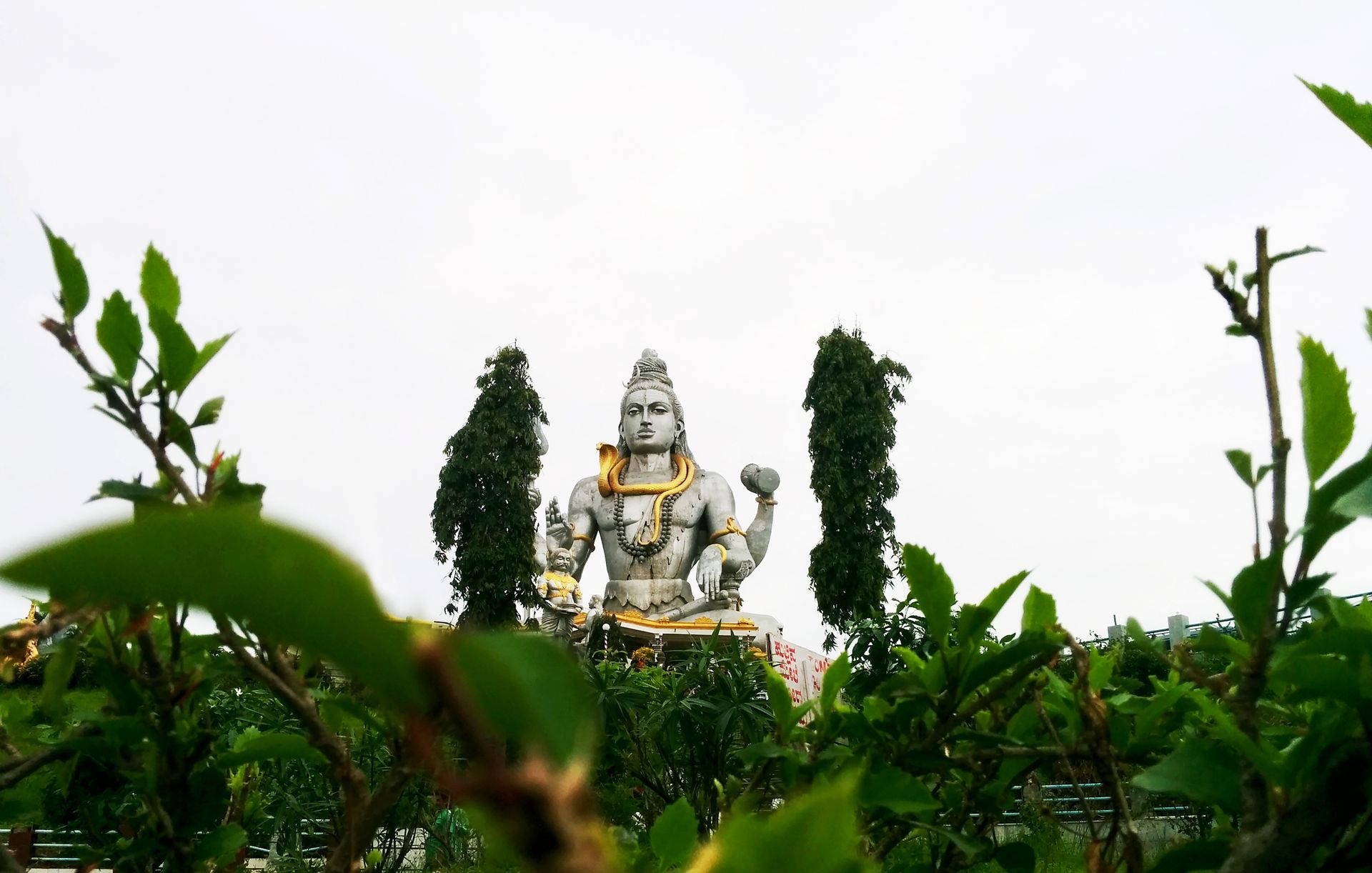
One of the world's tallest Shiva statues beside a sea-facing temple.

Viewpoint
The famous stretch flanked by sea and river simultaneously.


Attraction
Geologically rare columnar basalt formations on the islands.

Experience
A cliff trail connecting Om, Half Moon and Paradise beaches.
.jpg/1920px-Mullayanagiri_Peak_(8322117350).jpg)
Viewpoint
Karnataka's highest peak, a popular sunrise trek with sweeping Western Ghats views.
Experience
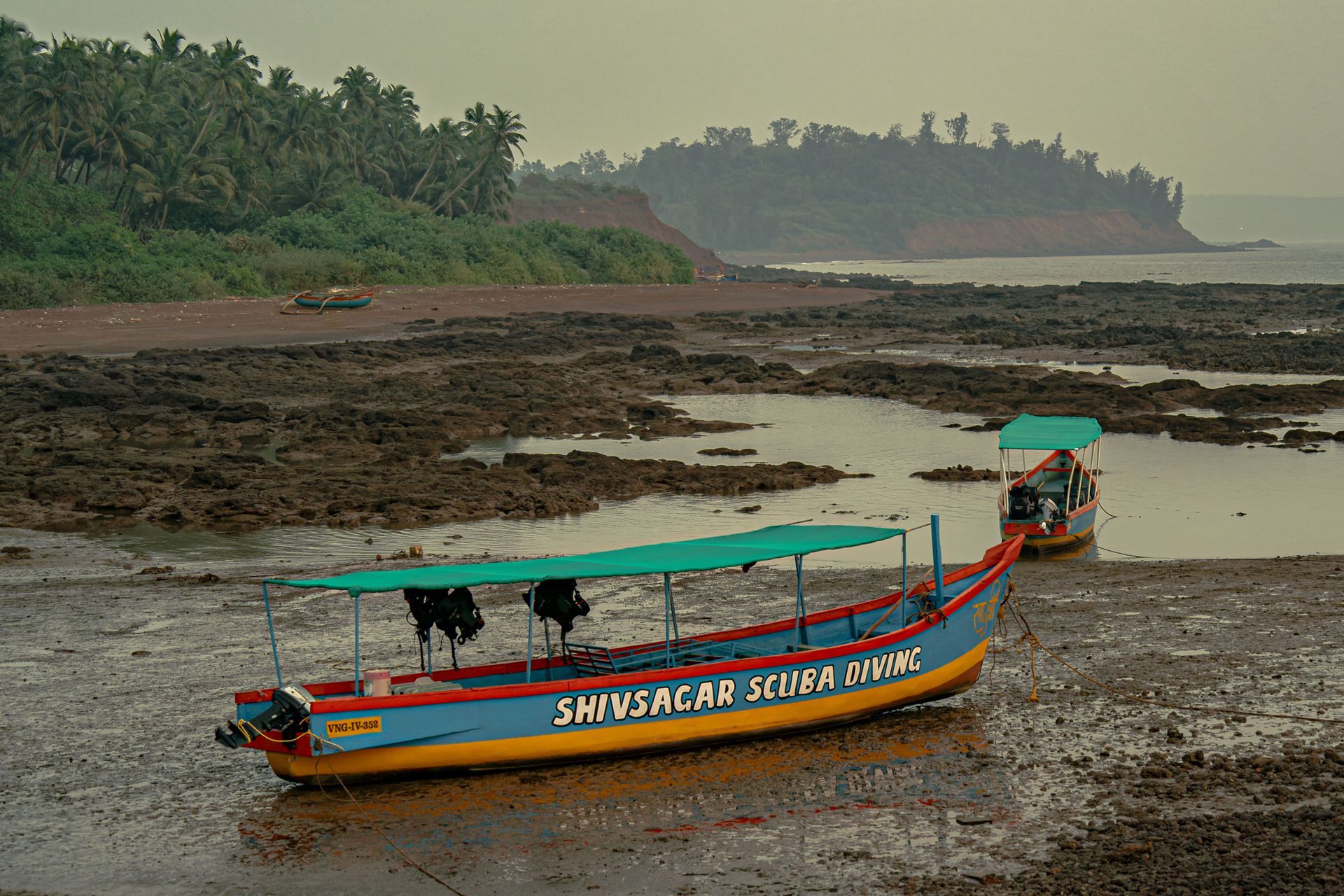
Boat dives to the coral-rich waters off Netrani (Pigeon) Island.
.jpg/1920px-Complex_of_Virupaksha_Temple%2C_Hampi_(04).jpg)
Attraction
The one temple in Hampi that never stopped functioning, with a fifty-metre gopuram over the bazaar street. The temple elephant is walked down to the river to be washed each morning, which is worth getting up for.

Attraction
The historic 4th-century Dravidian granite temple complex housing the sacred Atmalinga stone relic, managed by traditional scholars.
