
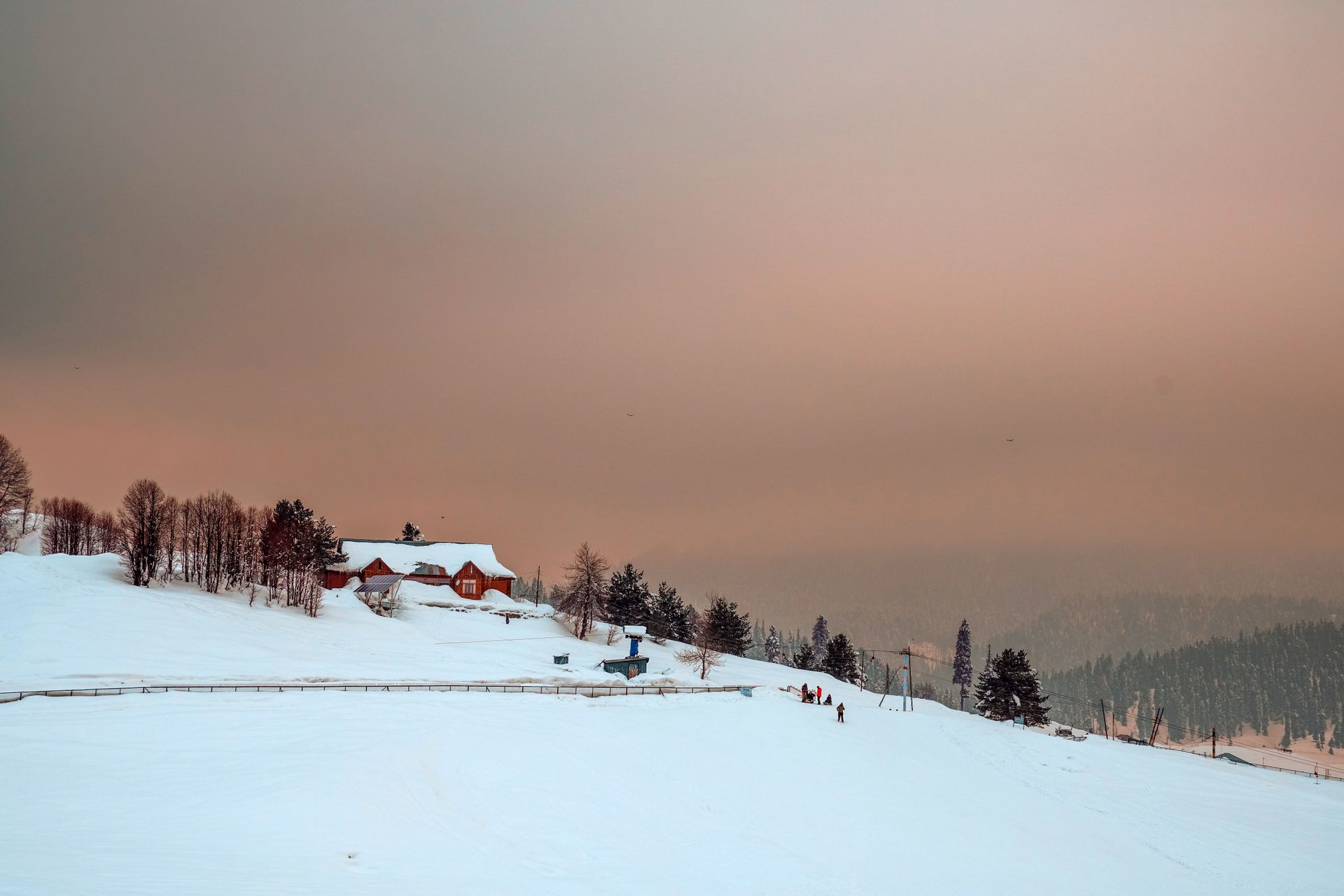
Snowy Mountains
Hill Stations
The hills that reliably get real snow, not just a cold wind. Most of India's hills stay green all winter.
14 places
When to go. Late December to February is the dependable window, and January is the safest single month. Gulmarg and Auli hold snow into March; Manali's town centre often has none by then even when the passes above do.
Jammu & Kashmir
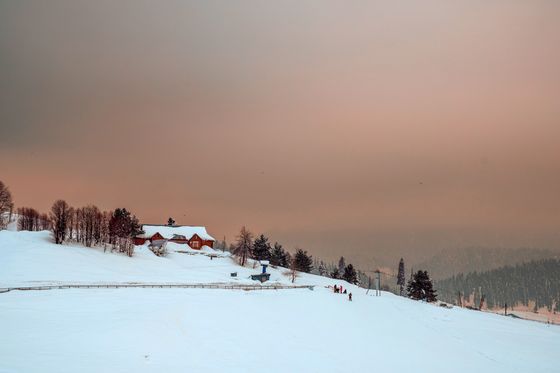
Gulmarg
Gulmarg is a bowl of meadow at 2,650 metres in the Pir Panjal, and it does two completely different jobs depending on the month. December to March it is the only serious ski resort in India. The Apharwat face has real off-piste terrain and the snow is dry enough to justify the trip. May to September the snow is gone and it is a meadow full of wildflowers with a golf course on it, one of the highest anywhere. The gondola climbs in two stages. The first, to Kongdoori, almost always runs. The second, up to just under four thousand metres on Apharwat, is frequently closed for wind and its tickets are capped daily — buy both stages early or accept that you may only get the first. If you are skiing off-piste, a guide is not optional. This is avalanche terrain and it has killed people.
Uttarakhand
Auli
India's winter skiing destination, with panoramic views of Nanda Devi and snow slopes. Auli is a high-altitude hill station at an elevation of roughly 2,909 metres in the Chamoli district of Uttarakhand. Flanked by coniferous and oak forests, it has some of the highest and longest ski slopes in Asia.
Himachal Pradesh
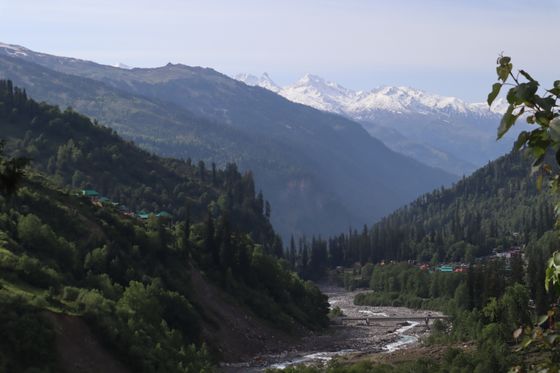
Manali
Manali is really two places, and knowing which one you booked matters more than anything else about the trip. Mall Road Manali is a busy Indian hill-station town — traffic, hotels, shops selling the same shawls. Old Manali, up the hill across the river, is quieter, low-rise and where most people actually want to be. Vashisht, on the other side, has the hot springs and a similar feel. Hadimba temple, in the deodar forest above town, is four hundred years old with a tiered wooden roof and is worth the twenty minutes. Solang and Rohtang are the standard day trips and both are congested in season; Rohtang needs a permit, which is capped daily and must be arranged in advance. The Atal Tunnel changed the geography here. Lahaul, which used to be a full expedition, is now well under an hour away, and going through it for the day gives you a completely different landscape. May and June are the peak and are crowded. October and November are clear, cold and quiet. Do not expect snow in town below about December, whatever the photographs suggest.

Arunachal Pradesh
Tawang
Tawang, at over 3,000 metres in the far Himalayas of Arunachal Pradesh, is home to India's largest Buddhist monastery and the birthplace of the 6th Dalai Lama. Snow peaks, high lakes, war memorials and the dramatic Sela Pass make the drive up as much of the point as Tawang itself.

Sikkim
Lachung
Lachung is a mountain village in North Sikkim at around 2,700 metres, set where the Lachen and Lachung rivers meet amid apple orchards and waterfalls. Home to the Lepcha and Bhutia communities and the century-old Lachung Monastery, it is the main gateway to the flower-filled Yumthang Valley.
Himachal Pradesh
Spiti Valley (Kaza)
Spiti is the emptiest place in India that you can still drive to, and the reason to come is the scale of the nothing. This is high-altitude cold desert at 3,800 metres and above — bare rock, no trees, the river a thin green line at the bottom of it. Key monastery above Kaza is the one everyone photographs and deserves to be. Dhankar, built onto a spur of crumbling cliff, is the one that stays with you. Tabo has thousand-year-old wall paintings in a mud-brick complex that looks like nothing from outside. Kibber and Langza are the villages people go to for the fossils and the height; Komic claims to be among the highest with a motorable road. Go for the walking between them rather than to tick them off. Access decides your trip. The Manali side over Kunzum La is open roughly June to October. The Shimla side through Kinnaur is open most of the year and is the safer bet, but it is a long two-day drive. Doing it Shimla-in, Manali-out gives you gradual altitude gain, which is the right way round. Nights are cold in every month. There is no reliable mobile signal and cash machines are unreliable — bring notes.
Jammu & Kashmir
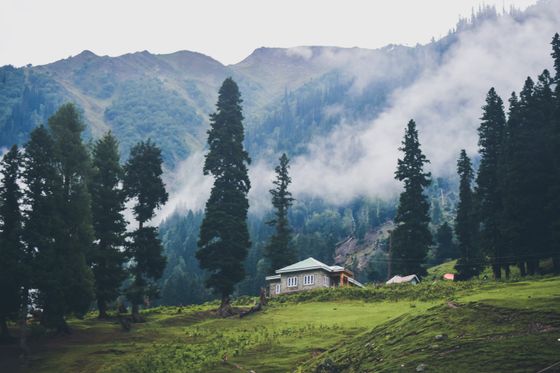
Sonamarg
Sonamarg is eighty kilometres up from Srinagar and the last town before Zoji La and Ladakh. The road in is shut by snow from roughly December to April, so this is a summer place whether you like it or not. Thajiwas glacier is four kilometres up the side valley, on foot or by pony. It has been retreating for years, so the walk to the ice is longer than older guidebooks suggest, and the pony rates are officially fixed and routinely ignored — settle the price and the route before you mount. It is also the start of two serious walks: the Amarnath yatra from Baltal, and the Kashmir Great Lakes trek, which takes a week and is among the best in the country. Come as a day trip from Srinagar if you only want the meadow. Stay if you are walking.
Jammu & Kashmir
Pahalgam
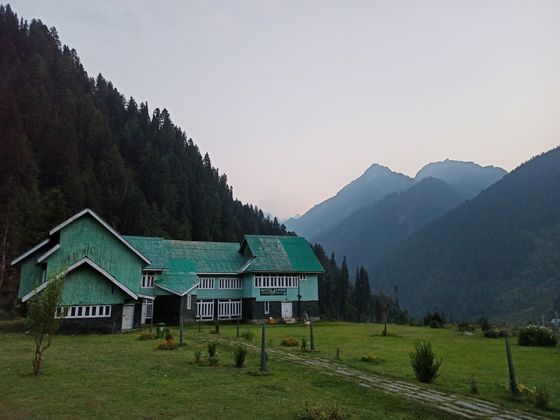
Pahalgam is a valley settlement at 2,130 metres in the Anantnag district of Kashmir, where the fast Lidder River meets the Sheshnag stream. Steep hills of old-growth pine and cedar close in on all sides. It suits anglers, walkers and people who camp. Walk out of the town and you are quickly in alpine glades like Baisaran, which everyone calls Mini Switzerland for its wide undulating meadows ringed with pine. Pahalgam is also the staging point for the Amarnath Yatra: the traditional trekking route starts upstream at Chandanwari village.
Himachal Pradesh
Dalhousie
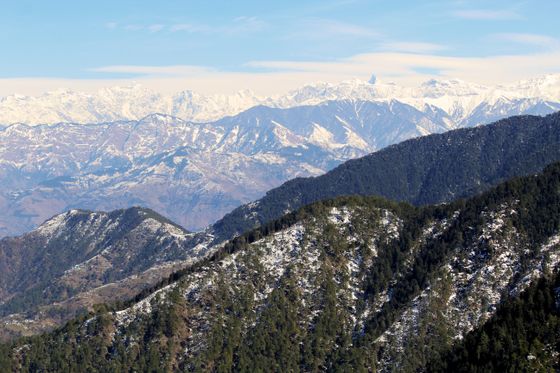
Dalhousie is a peaceful colonial-era hill station built across five distinct hills of the Dhauladhar mountain range, sitting at an altitude of 1,970 metres. Established in the mid-19th century under the British Raj, the town has systematically preserved its old-world charm, characterised by wide pine-fringed walking loops, traditional stone mansions, and vintage Scottish architecture. Tourism in Dalhousie centres around the historic public squares of Gandhi Chowk and Subhash Chowk, linked by wooded walking paths like Garam Sadak. The town is the quiet alternative to the commercial hill stations, with views of the winding Ravi River and the distant snow-covered peaks of the inner Himalayas.

Himachal Pradesh
Shimla
Shimla, the former summer capital of British India, is one of the country's most popular hill stations. Its colonial Mall Road, the Ridge, Christ Church and the UNESCO-listed Kalka-Shimla toy train make it a perennial favourite in the Himalayan foothills.
Jammu & Kashmir
Patnitop
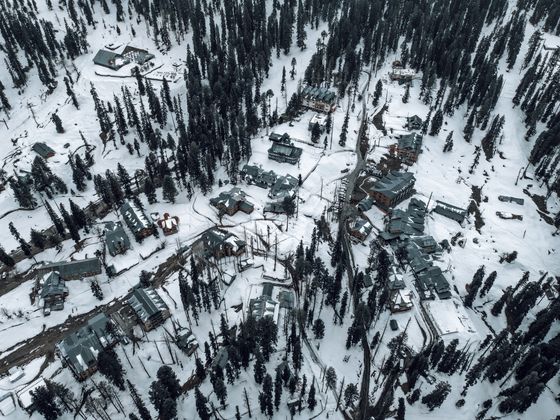
Patnitop is a plateau at 2,024 metres above the Chenab on the Jammu–Srinagar highway, and almost everyone who stops there was on the way somewhere else. As a stop it works well. Deodar forest, open meadows and easy walking — this is not a trekking destination and does not pretend to be. The Skyview gondola at Sanasar runs 2.8 kilometres across the gorge and is the one thing here worth a detour on its own. Snow falls for a few weeks in January and February and the place fills up for it. The rest of winter it is cold and empty. March to June and September to November. Avoid the monsoon, when the highway below is prone to landslides and closures.
Uttarakhand
Chopta (Tungnath)
An offbeat hill station popularly dubbed the 'Mini Switzerland of Uttarakhand', and the base for the trek up to the world's highest Shiva temple. Chopta is a small hamlet of untouched alpine meadow and evergreen forest in Rudraprayag district. At 2,680 metres, it lies within the Kedarnath Wildlife Sanctuary.
Himachal Pradesh
Kalpa (Kinnaur)
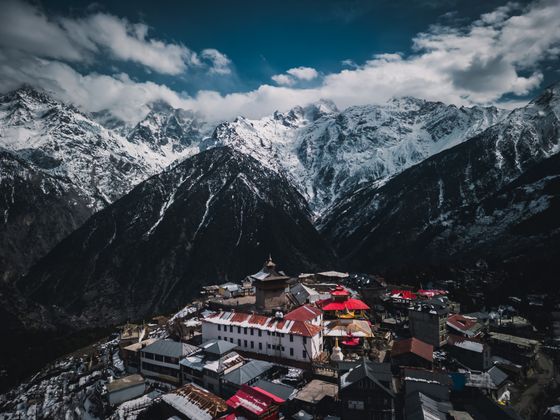
Kalpa is an offbeat mountain village on a high ridge at an elevation of 2,960 metres in the Kinnaur Valley. Positioned directly above the district hub of Reckong Peo, it looks down into the deep, thundering canyon of the Sutlej River. The settlement is known for its unique geographical position, with an uninterrupted view of the sacred Kinner Kailash massif. The architectural landscape of Kalpa features a beautiful indigenous blend of traditional wooden Hindu temples and Tibetan Buddhist monasteries, showcasing the rich syncretic culture of Kinnaur. The village pathways wind through dense pine forests and some of the finest high-altitude organic apple orchards in the country.
Leh & Ladakh
Leh
Leh sits at 3,500 metres and the single most important thing about it is that you cannot skip the first two days. Fly in and you arrive from sea level in ninety minutes. Spend the first forty-eight hours doing almost nothing — walk slowly, drink far more water than feels reasonable, no alcohol, no trekking. People who ignore this lose a week to altitude sickness or end up on a flight out. Coming overland from Manali or Srinagar acclimatises you properly, and if you have the days it is the better arrival. Once you are adjusted: Thiksey monastery at dawn for the morning prayers, which visitors are welcome at and which almost nobody attends. Hemis is grander but further. The Indus valley villages between Leh and Nimmu are where you see how people actually live at this altitude. Pangong and Nubra both need inner-line permits, arranged in Leh in a morning, and both are long hard drives. Pangong as a day trip is a mistake — twelve hours in a car for an hour at a lake. The road season is roughly June to September. Outside it the passes close and Leh is reachable only by air.


