.jpg/960px-Chhatrapati_Shivaji_Terminus_(Victoria_Terminus).jpg)



.jpg/960px-Crawford_Market_(15282337115).jpg)


.jpg/960px-Behael_Puri_(6105489342).jpg)


.jpg/960px-Ramzan_Cuisine_(436).jpg)


Elephanta Caves
Rock-cut Shiva caves on an island, a UNESCO World Heritage Site reached by ferry
city · Maharashtra
Mumbai runs on its trains, and the fastest way to stop being a tourist here is to work out which line you need and get on it.
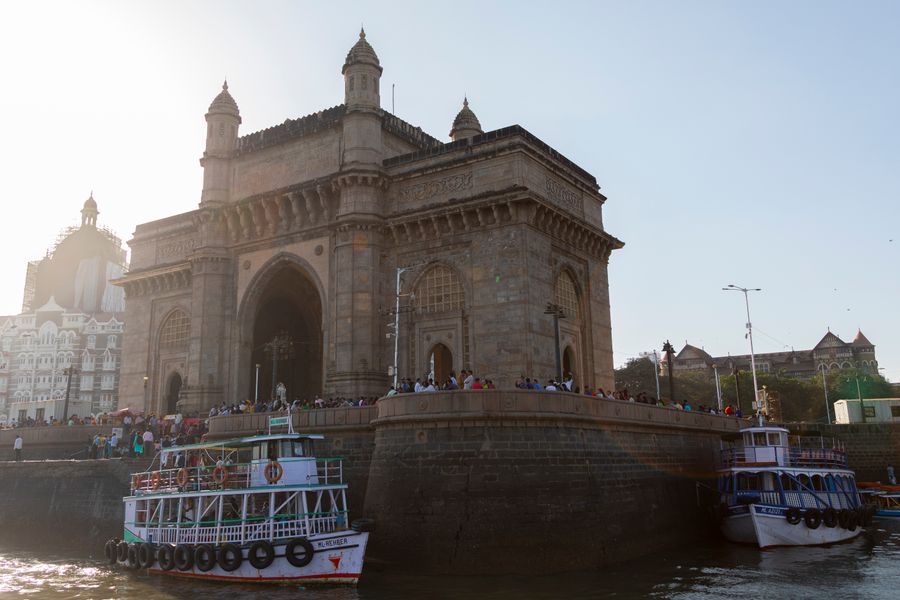
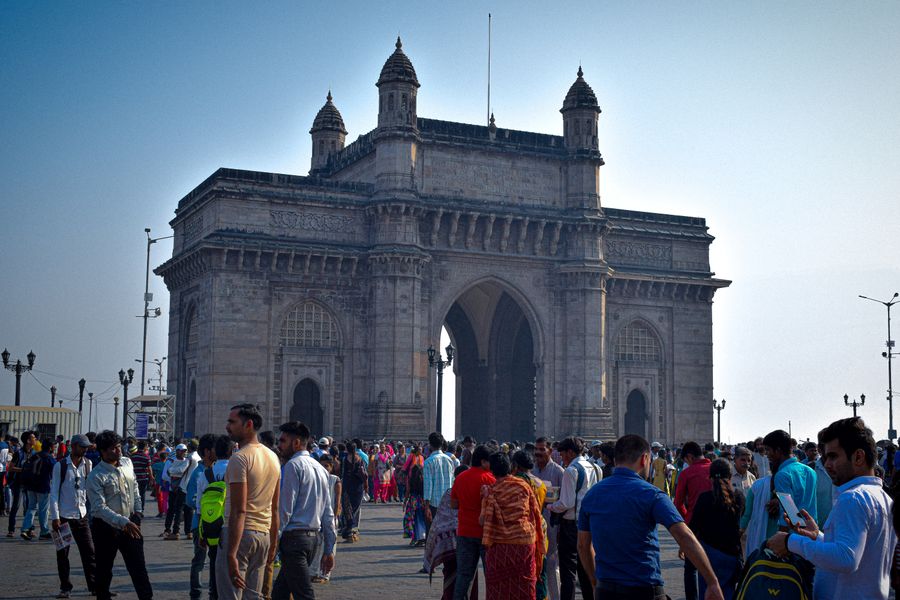
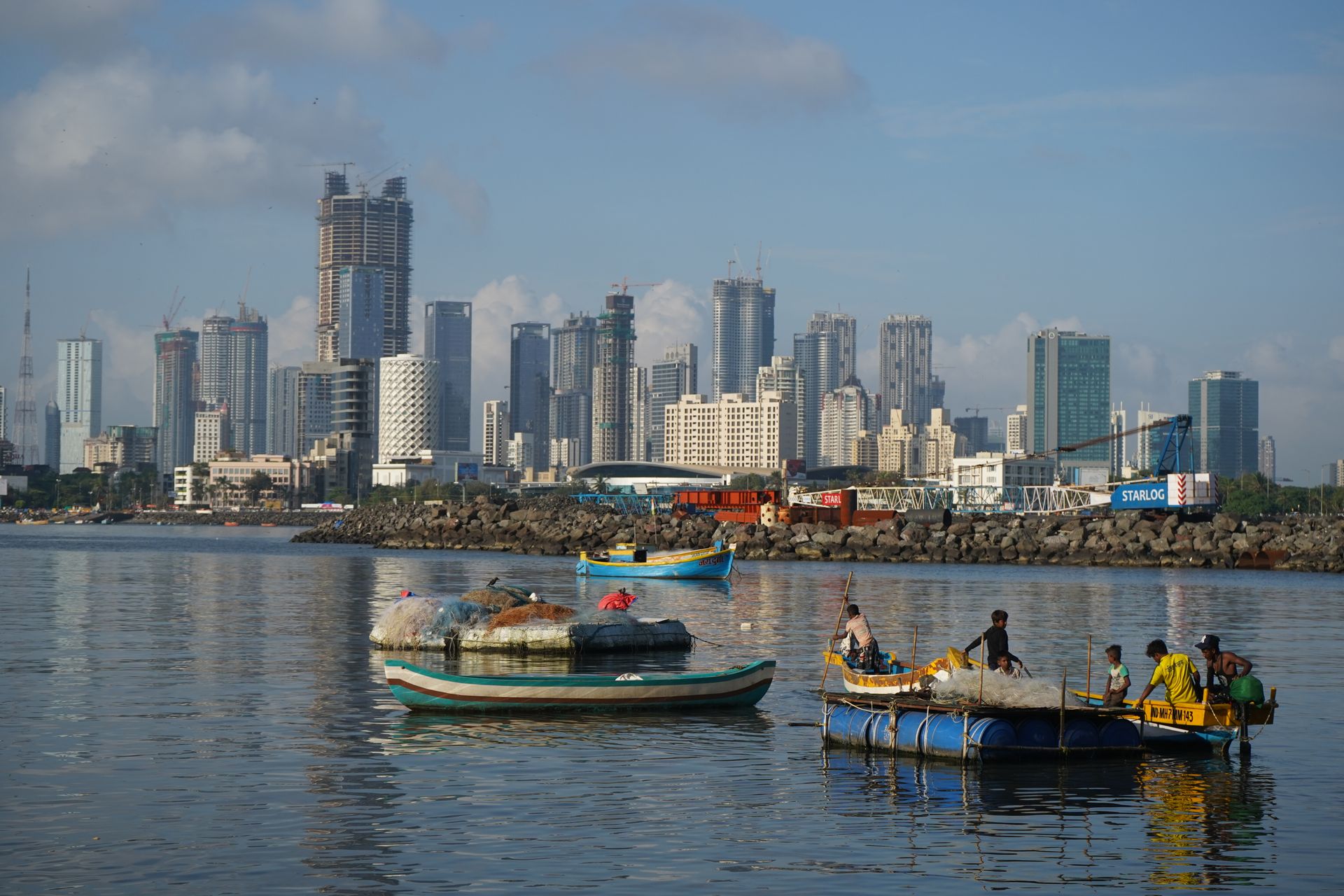
Mumbai runs on its trains, and the fastest way to stop being a tourist here is to work out which line you need and get on it. The stretch people photograph without knowing what it is runs from Chhatrapati Shivaji Terminus down to Oval Maidan: Victorian Gothic on one side, Art Deco on the other, facing each other across the park. It is a UNESCO World Heritage Site and it is best walked at seven in the morning when the light is low and the traffic has not started. Skip the crush at the Gateway of India unless you are taking the ferry to Elephanta, which is worth a half day for the rock-cut Shiva in cave one. Instead go to Banganga tank in Walkeshwar — a stepped water tank in the middle of the richest neighbourhood in India, almost always empty of visitors. Monsoon, June to September, is when the city is most itself and most difficult. The rain is genuinely heavy, the trains flood, and locals will tell you both that it is beautiful and that they dread it. Both are true. November to February is the easy window.
Originally seven marshy islands held by Koli fishing communities, Mumbai passed to the Portuguese in 1534 and then to the British Crown in 1661, as part of a Portuguese princess's dowry. The Crown leased it to the East India Company, and land reclamation over the following two centuries fused the islands into one peninsula and into India's commercial capital.
India's financial capital and home of Bollywood, a city of colonial architecture, street food and relentless energy.
October to March, when the humidity drops and the city is comfortable to walk.
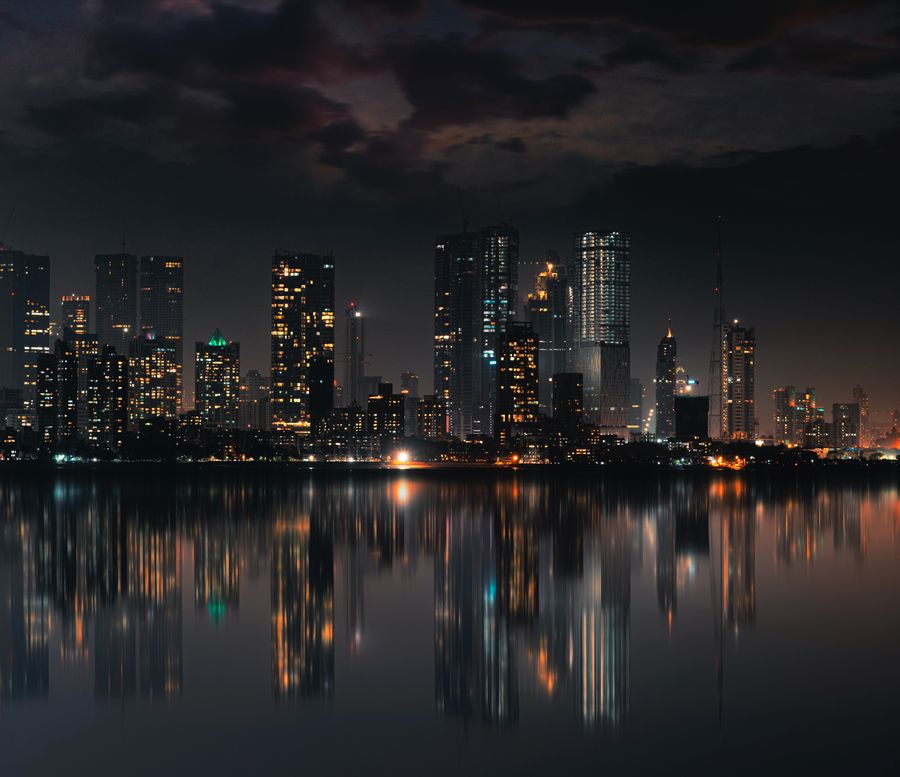
India's best city to eat in, and one that makes more sense across several visits than in a single trip. Start with Marine Drive at dusk, breakfast in an old Irani cafe, and the first ferry of the morning to Elephanta, before the caves fill up.
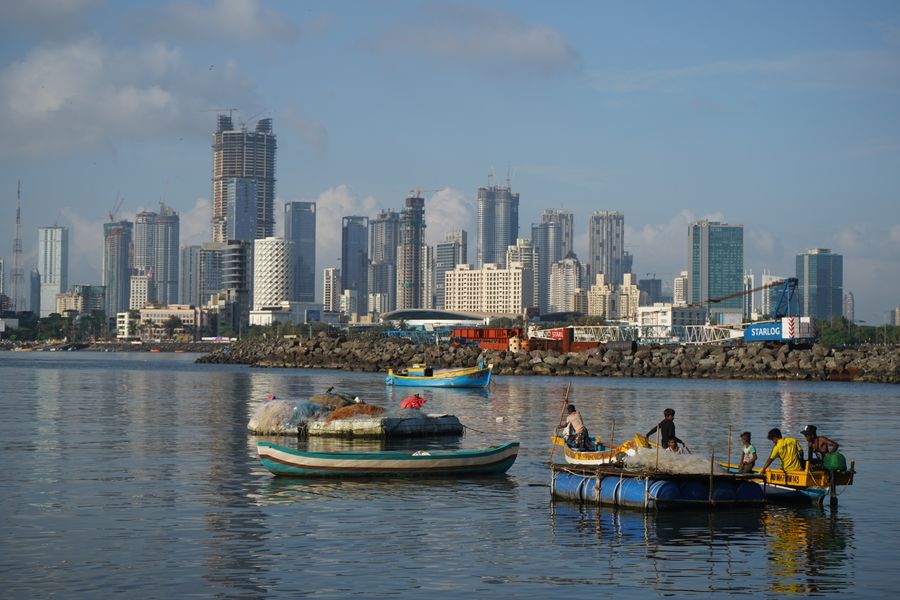
The seven islands belonged to the Koli fishing communities long before the Portuguese took them in 1534, and long before they passed to England in 1661 as part of a royal marriage dowry to Charles II. What grew on them became a global trading port, and then a centre of India's freedom struggle, of its banking industry, and of its contemporary art.
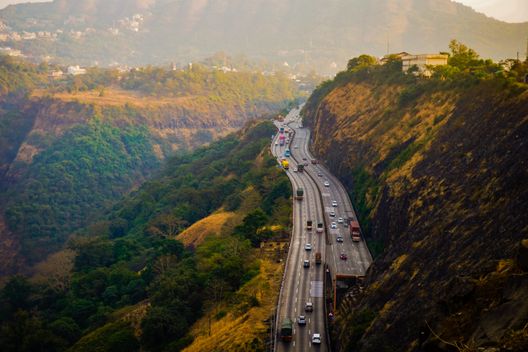
Chhatrapati Shivaji Maharaj International Airport handles flights worldwide, and the historic Chhatrapati Shivaji Maharaj Terminus is the main railway hub. Multi-lane expressways run in from Pune and Nashik, and the metro lines make getting across the city quicker.
Take the whole plan, or add any single stop.
Signature dishes and local flavours to look for in Mumbai.
A stop-by-stop walk through what this city actually eats — what to order, in what order, and when.
~1 hr ferry from the Gateway
Mumbai's best-known shopping street is Colaba Causeway, a run of stalls and shops for clothes, jewellery, bags and souvenirs where bargaining is expected. Nearby Fort and Kala Ghoda have bookshops, design stores and art galleries, while the 19th-century Crawford Market (Mahatma Jyotiba Phule Market) sells everything from fruit to housewares. Chor Bazaar is the city's famous antiques-and-curios market; Linking Road and Hill Road in Bandra are the places for street fashion and shoes; and Zaveri Bazaar is the traditional gold-and-jewellery hub. For fixed-price handloom and crafts, head to the state emporiums and the big malls at Lower Parel and Bandra-Kurla.
How to spend your time in Mumbai.
Rock-cut Shiva caves on an island, a UNESCO World Heritage Site reached by ferry

Victorian Gothic railway station, a UNESCO World Heritage Site

The Queen's Necklace promenade and city beach at sunset
_(32876890683).jpg/960px-Dhobi_Ghat_-_Mumbai_(Maharashtra%2C_India)_(32876890683).jpg)
The world's largest open-air laundry, best seen from the Mahalaxmi bridge

Sea-facing suburb of street art, cafes and Bollywood-star bungalows
November to February is the most pleasant, with warm, dry days. March to May is hot and very humid, and the June–September monsoon is heavy — dramatic to experience but disruptive for sightseeing.
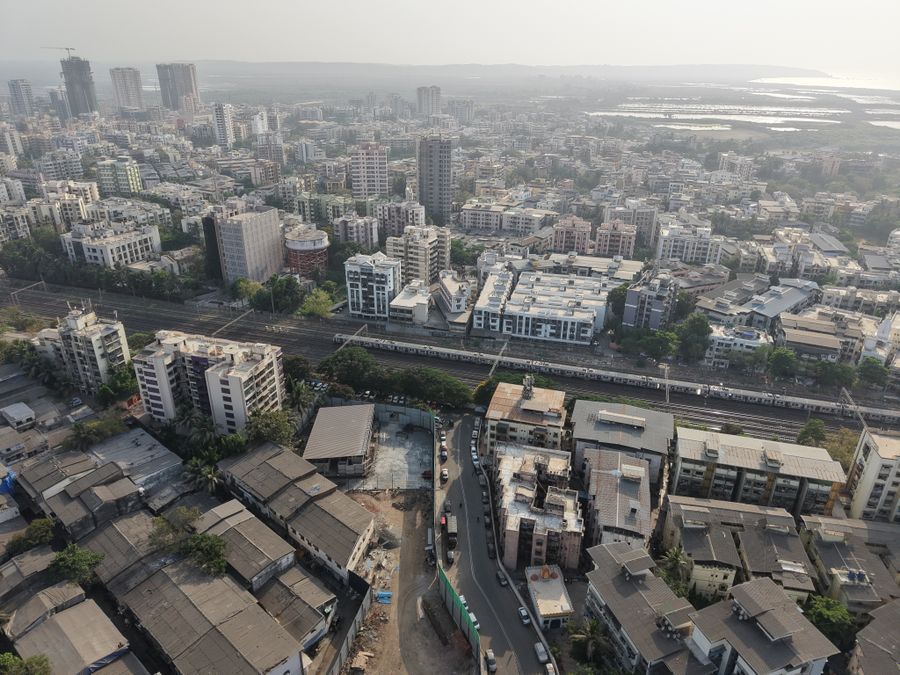
Suburban local trains are the city's lifeline and fastest for long north–south trips, though rush hours are extremely crowded; a growing Metro, black-and-yellow taxis, app cabs and BEST buses fill the gaps. In South Mumbai many sights are walkable.
Two to three days covers South Mumbai's heritage, Marine Drive, a trip to Elephanta and an evening in Bandra. Add time for a Dharavi walk, Bollywood or a day trip to the Western Ghats.
Ferries leave from the Gateway of India and take about an hour each way to Elephanta Island; allow a half day, wear sun protection, and note that ferries do not run during the peak monsoon.
Vada pav and pav bhaji were both born here, along with seaside bhel puri, Irani-cafe sandwiches and chai, coastal Koli seafood, and the Ramadan food street on Mohammed Ali Road.
Elephanta Island (about an hour by ferry) is the easiest; the Western Ghats hill stations of Lonavala and Khandala (around 2 hours), the beaches of Alibaug (a short ferry) and the car-free hill town of Matheran are all popular escapes.
Places here, plus more across Maharashtra — tap a mood to reshape the list.
Travellers exploring here also loved
Things to book and do in Mumbai
Travellers viewing Mumbai also loved these
More places you'll love
More like Mumbai
Or a different kind of trip


.jpg/1920px-Shaniwar_wada_(pune).jpg)
.jpg/1920px-Ratnagiri%2C_Velneshwar_-_panoramio_(100).jpg)


.jpg/1920px-Chhatrapati_Shivaji_Terminus_(Victoria_Terminus).jpg)


.jpg/1920px-Kebabchi_(4976530644).jpg)


.jpg/1920px-Mumbai_Film_City_set_replica_Dhanmondi_house_Bangladesh_1971_Bangabandhu_biographical_film_2021-02-09_(PID-0031098).jpg)


.jpg/1920px-Mount_Mary_Church_(Bombay).jpg)

.jpg/1920px-Colaba_Causeway_-_panoramio_(2).jpg)


.jpg/1920px-India_Gate_(All_India_War_Memorial).jpg)