Browse by place
Browse by theme
Popular themes
Collection
Classic honeymoon states — misty hills, palace cities and sunset beaches
35 places
Rajasthan
Bhangarh is less a fort than a whole town that emptied, and the Archaeological Survey of India protects it as exactly that: an "ancient site" of fort walls…
Kerala
Ponmudi is a hill in the Western Ghats in Thiruvananthapuram district, and the Forest Department runs it as an eco-tourism site with a paid entry ticket.
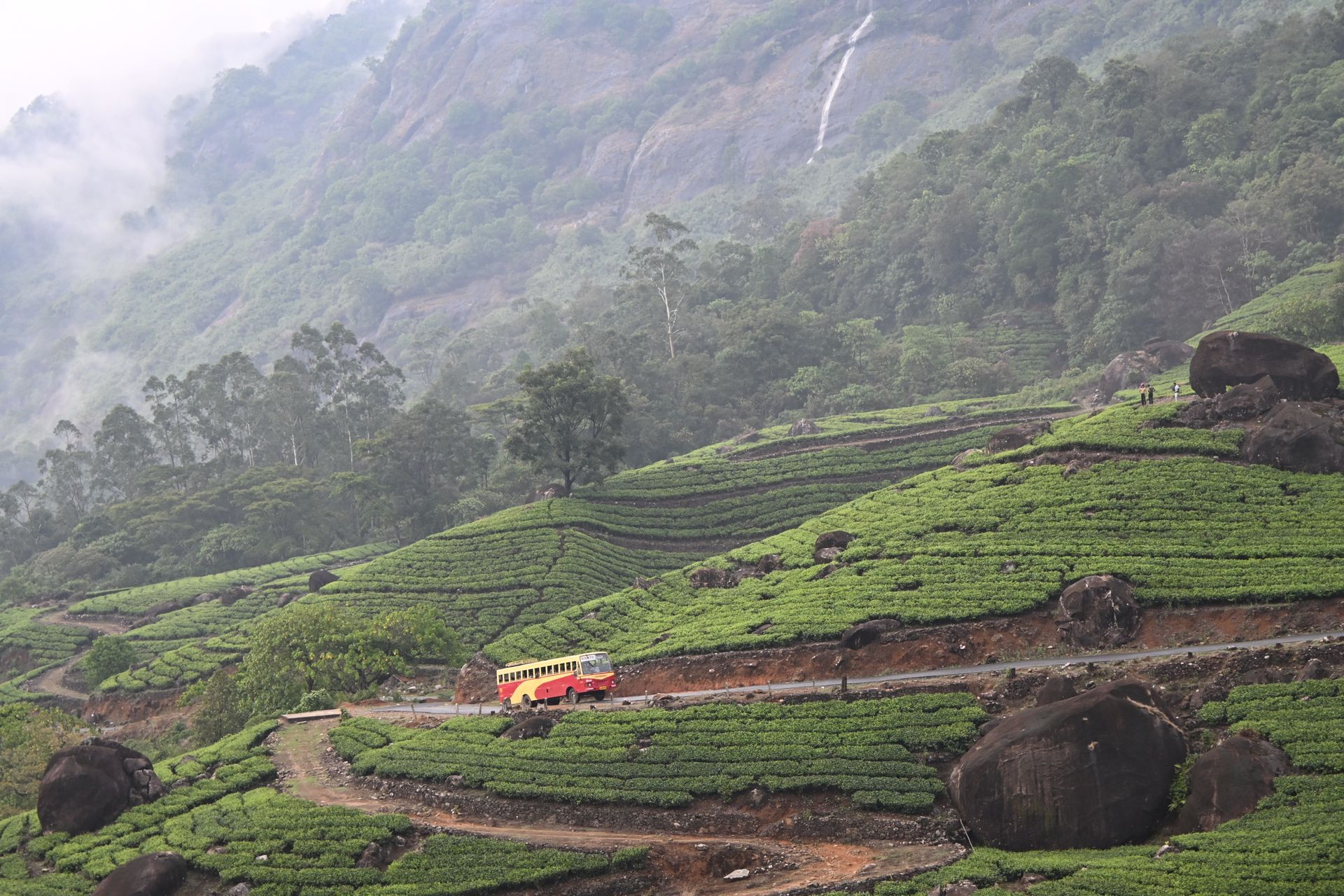
Vagamon is tea gardens, meadow and pine forest on the Kottayam–Idukki border, about 1,100 m up.
Himachal Pradesh
The permanent exhibition is titled I am Tibetan, this is my story, and it runs across ten sections.
Goa
Built in 1550 as a watchtower on the highest point of Santo Estevão island, this was the easternmost defence of the Velhas Conquistas, set there to keep an…
Over 4,000 objects from Goa's farming past, implements and vessels and tools, gathered by the artist, curator and restorer Victor Hugo Gomes and open to the…
Three and a half kilometres of white sand on the west side of Panjim, about 5 km from the centre of town by way of Miramar.
What UNESCO listed in 1986 is not one building but the whole set of religious monuments in Old Goa, capital of Portuguese India and the centre from which…
Viceroy Francisco da Gama raised this gate near the Mandovi in 1599 to commemorate Vasco da Gama's arrival in India in 1498, and Portuguese viceroys entered…
Adil Shah's Palace in Panaji, the Old Secretariat, currently holds the state's own collection: around 8,000 artefacts across ancient history and archaeology…
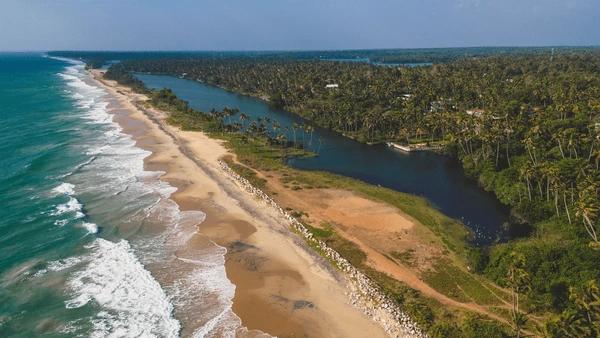
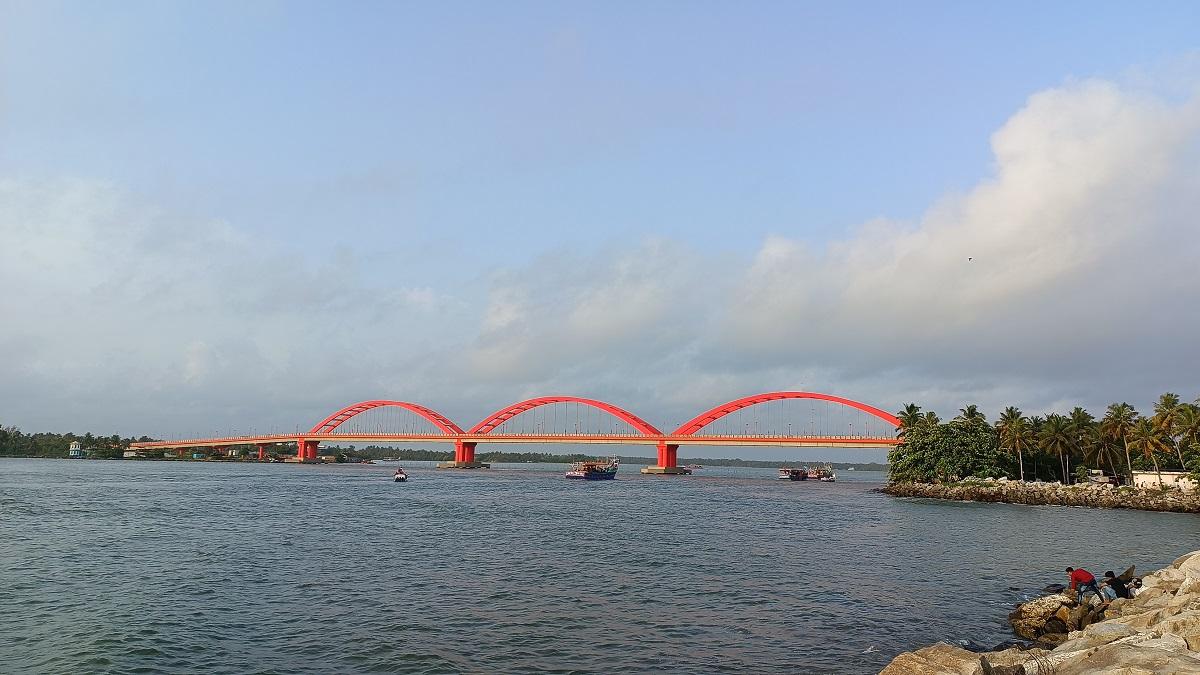
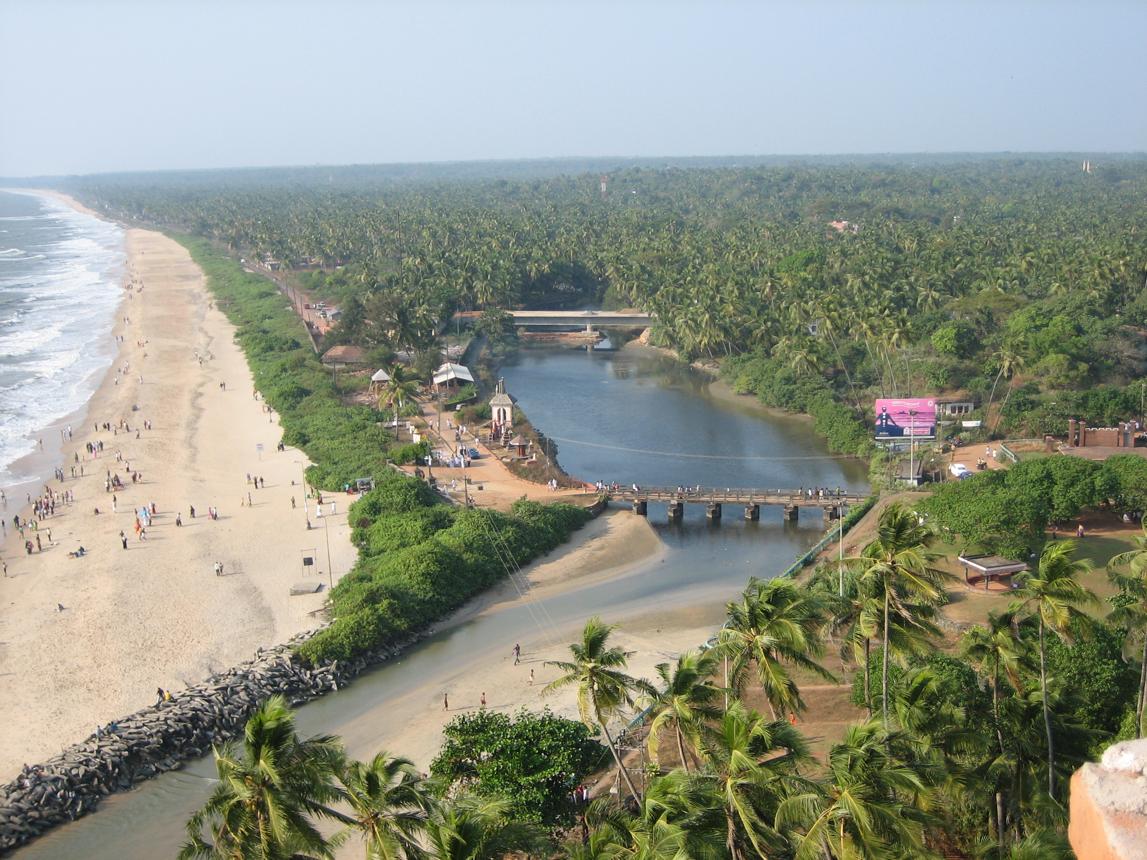
Unique because backwaters meet the Arabian Sea.
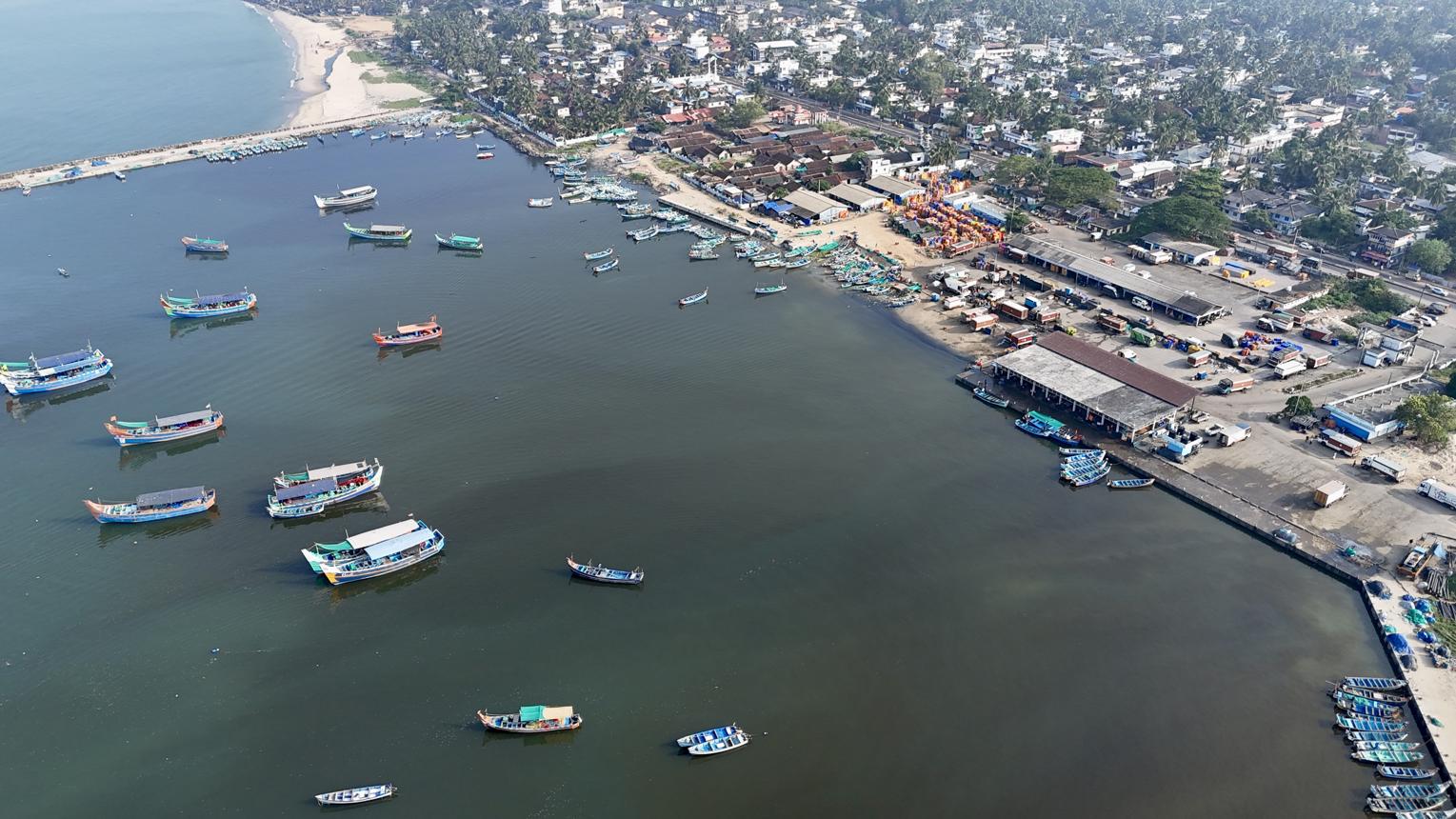
Famous for traditional Uru shipbuilding.
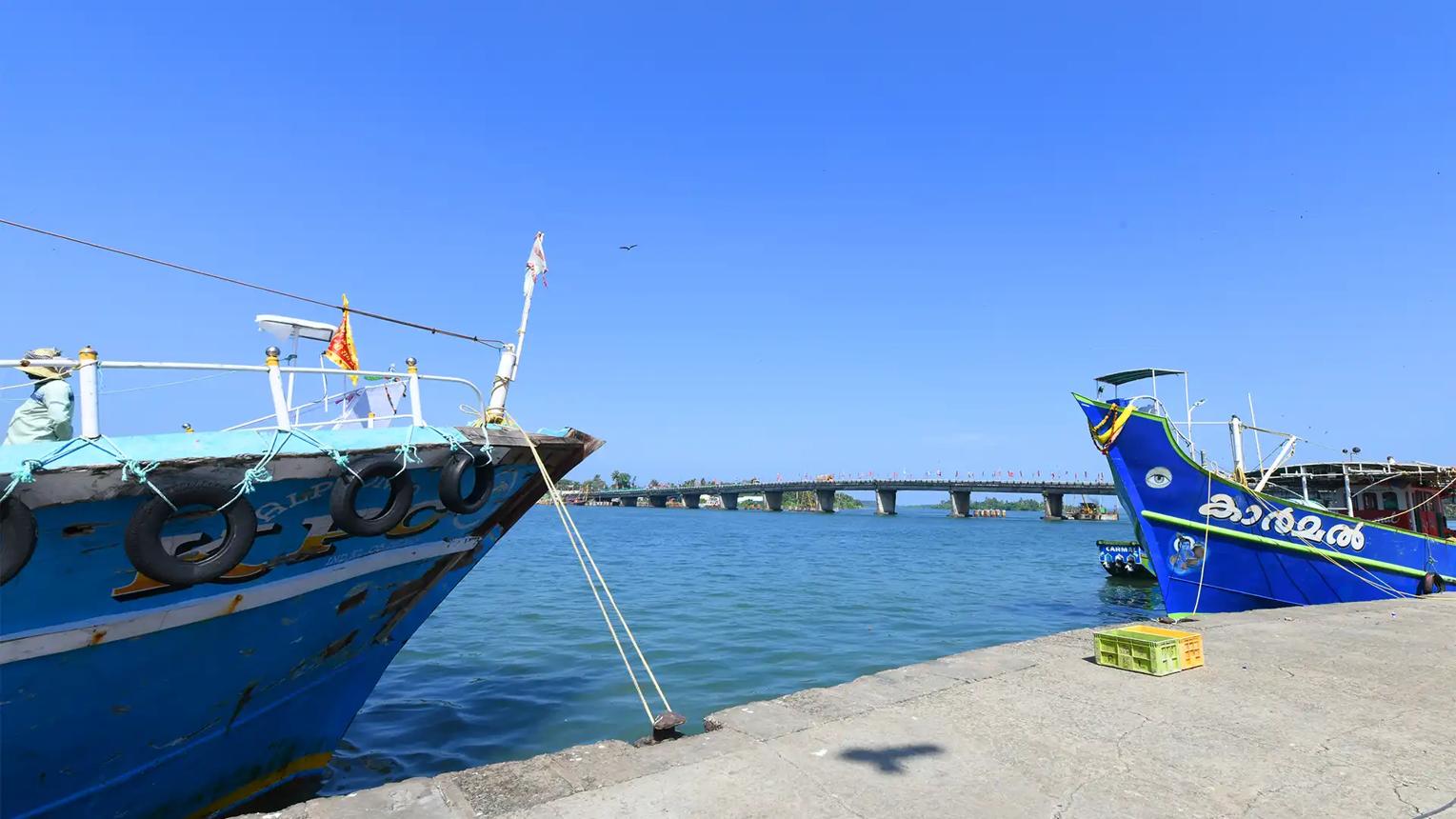
Highlights: Fishing harbour and estuary views.
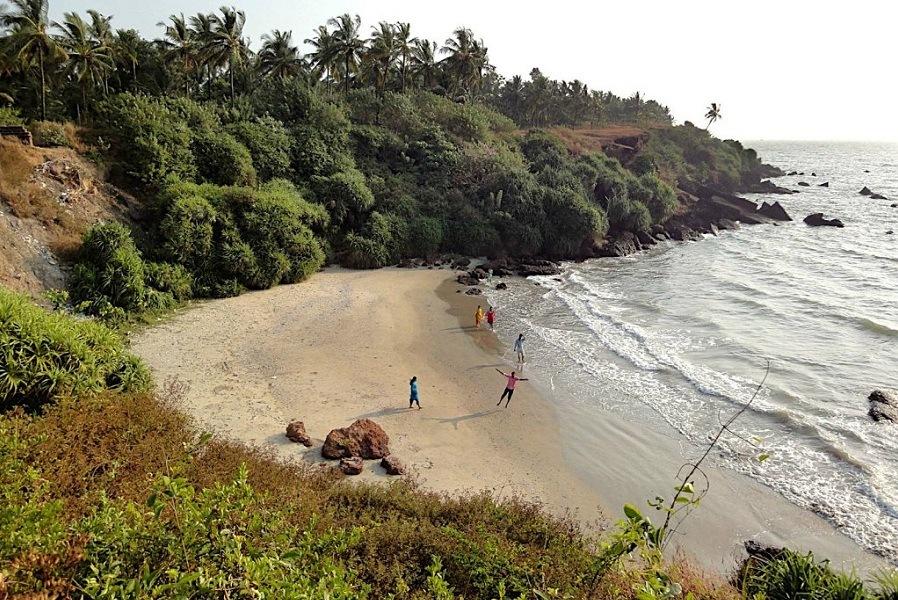
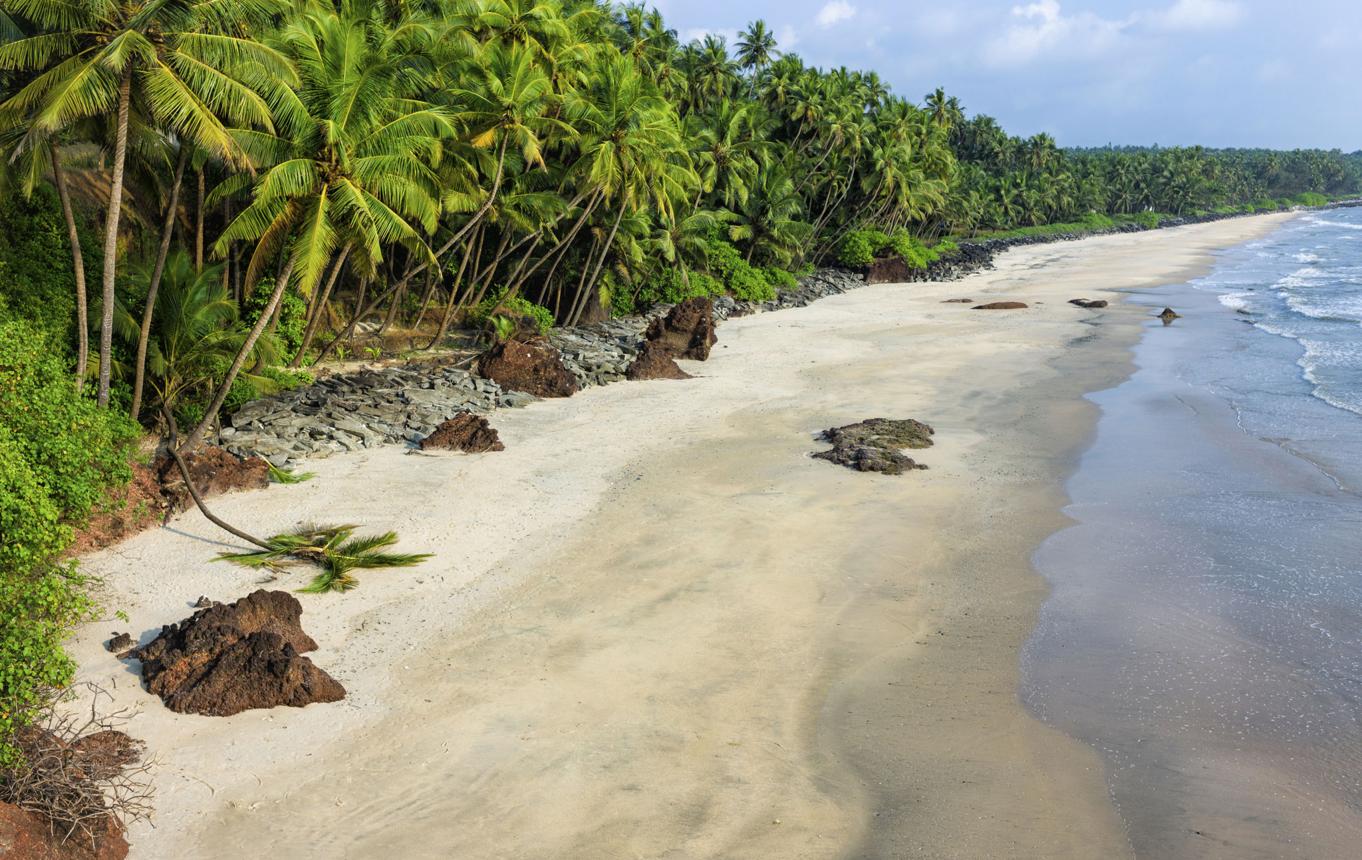
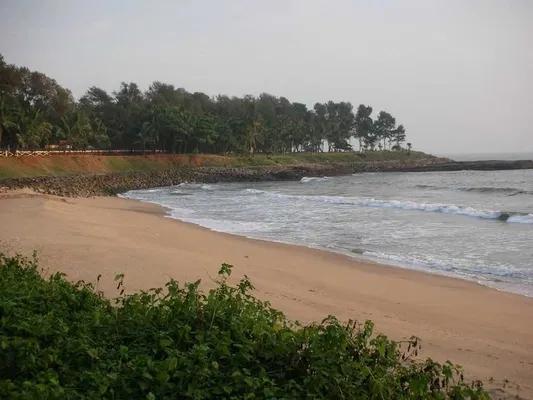
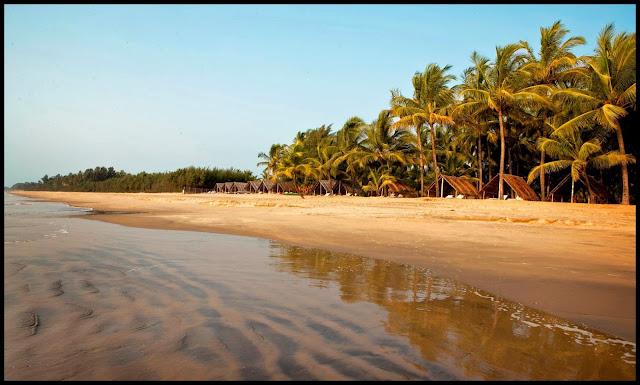
Known for being less crowded.
Perfect for: Honeymoon, Quiet holidays.
Known for: Bridge, fishing harbour and peaceful sunsets.
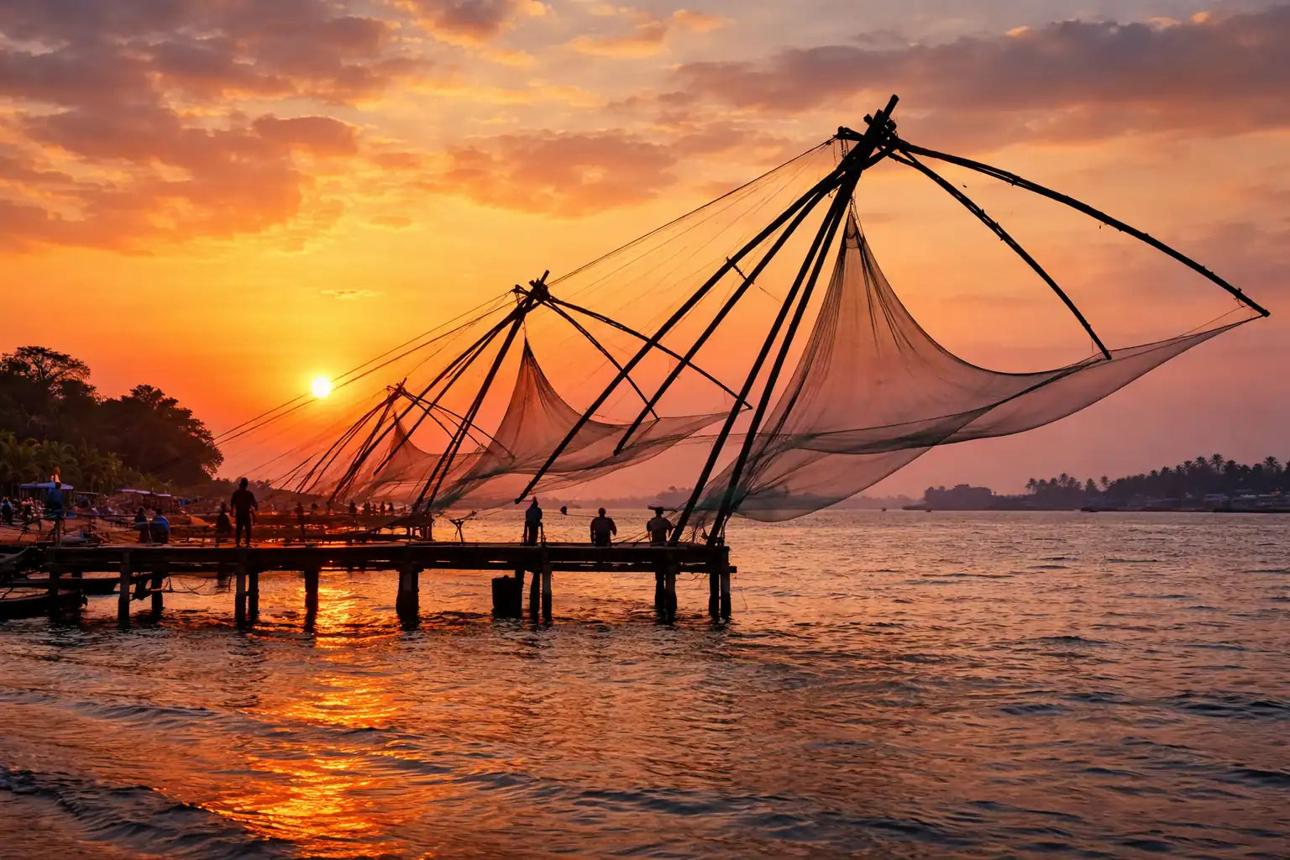
Highlights: Chinese Fishing Nets, Colonial heritage, Street food, Art cafés.
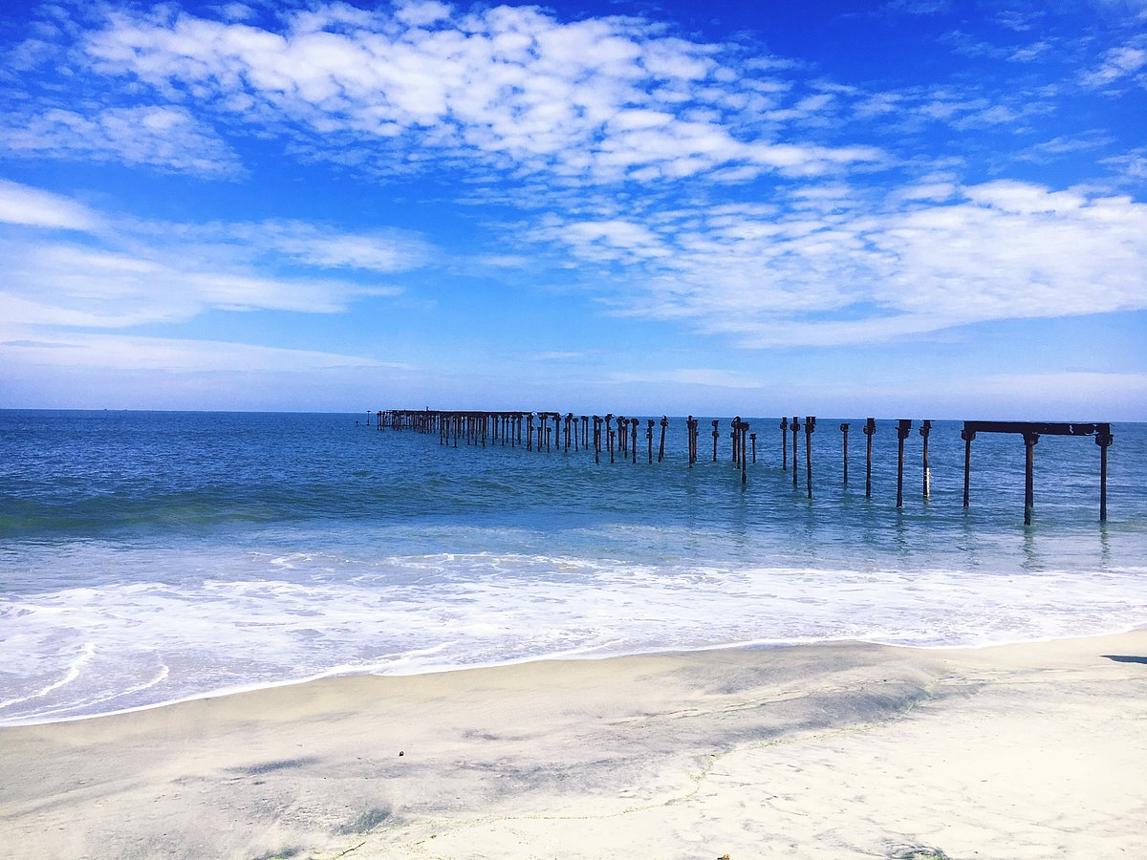
Famous for: Historic pier, Lighthouse, Sunset. Nearby: Alleppey Backwaters, Houseboats.
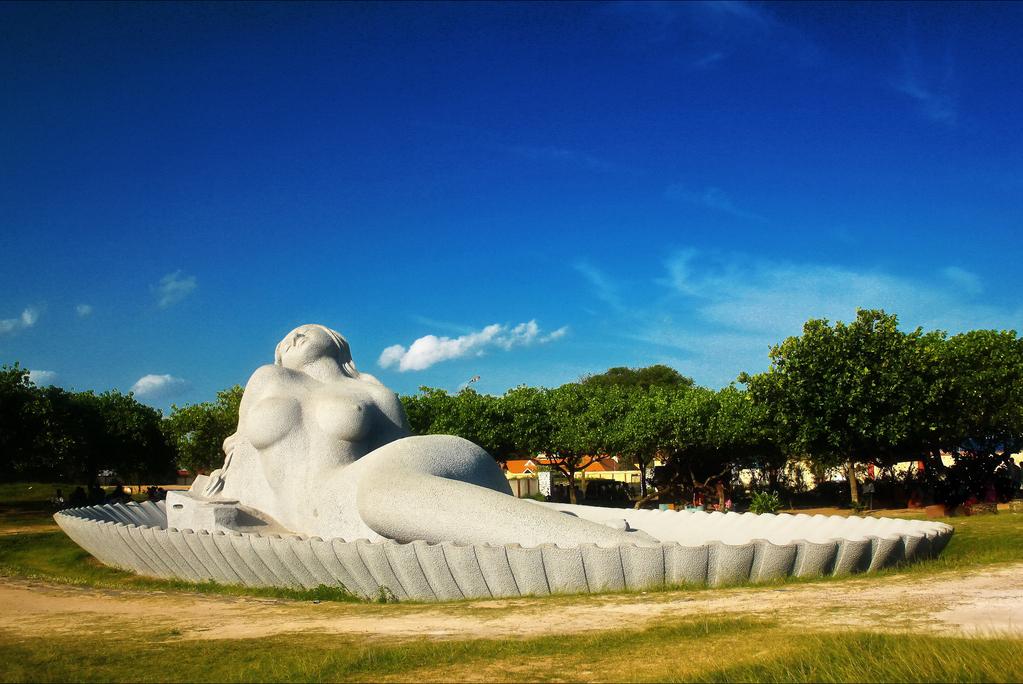
Highlights: Giant Mermaid sculpture, Close to airport.
Known for: Landscaped gardens, Clean beach, Family outings.
Known for: Beautiful estuary.
Near Guruvayur Temple.
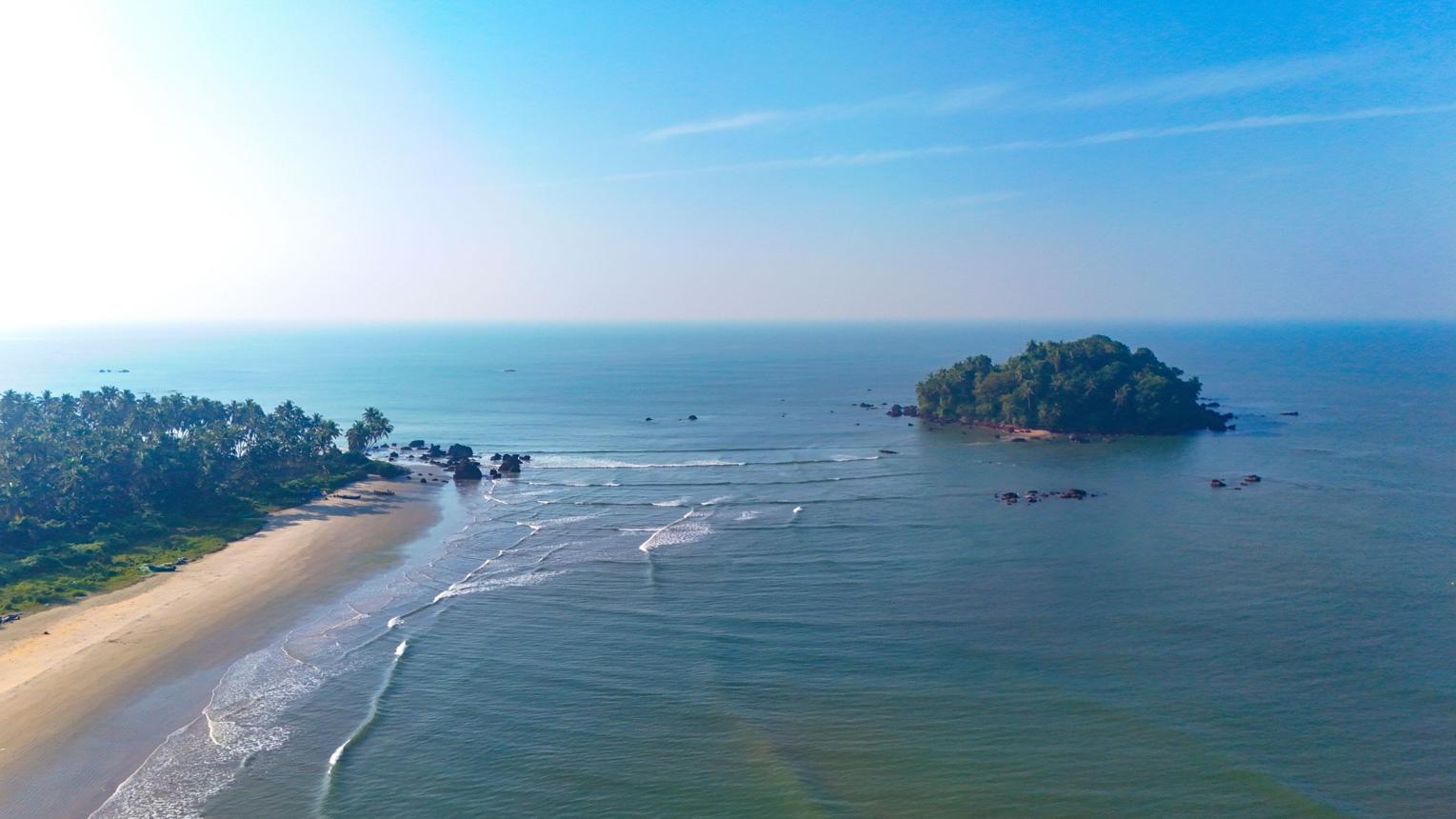
Highlights: Small island visible from shore.
Jammu & Kashmir
Mubarak Mandi is a 25-building royal palace complex across 12 acres overlooking the Tawi River in Jammu, blending Gothic, Rajput, Mughal, and European…
Bhimgarh Fort is a hilltop fortress in Reasi town, originally built in clay in the 8th century AD by Raja Bhimdev Rasyal and later rebuilt in stone, with…
Poonch Fort is a roughly 7,500 sq metre fortified palace complex in Poonch town, combining Mughal, Sikh, Dogra, and European architectural influences, with…
Akhnoor Fort is a two-storeyed fortification on the eastern bank of the Chenab river in Jammu district, featuring corner watchtowers and river-side access…
Basohli Fort refers to the now largely ruined palace fortifications of Basohli town in Kathua district, founded alongside the town itself and historically…
Ramnagar Fort in Udhampur district is a square-plan fort with polygonal corner bastions rising three storeys, decorated with battlements and surrounded by a…
Chapora Fort stands on a headland in Bardez, North Goa, overlooking the Chapora River near Vagator, roughly 10 km from Mapusa.
Bekal Fort in Kasaragod district, Kerala, is the largest fort in Kerala, spreading over 40 acres, with three-quarters of its exterior in contact with the sea…
Reis Magos Fort occupies a headland on the northern bank of the Mandovi River in Bardez, Goa, almost directly facing the capital city Panaji across the water.
Rang Mahal ("Painted Palace") stands in the Surara Mohalla of Chamba town, Himachal Pradesh, a fortress-like, multi-storey royal residence blending Mughal and…
Fort Tiracol sits on a hilltop at the mouth of the Tiracol (Terekhol) River in North Goa, roughly 40 km from Panaji, reached via a ferry crossing from Querim.
Built in 1156 by Rawal Jaisal at a crossroads of trade routes that fed into the old silk roads, and the second-oldest fort in Rajasthan.

_-_img_16.jpg/1920px-Bhangarh_Fort_-_Royal_Palace_Bhangarh_(July_2022)_-_img_16.jpg)


.jpg/1920px-Tibet_Museum_(Dharamsala).jpg)