

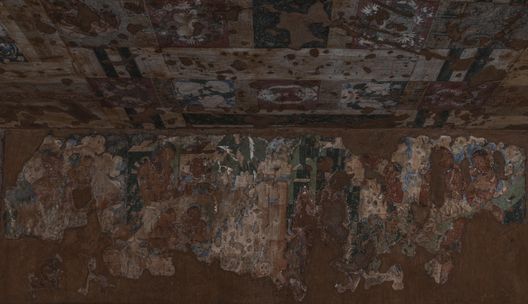


Cave 1 and 2 paintings
The finest surviving Ajanta murals

heritage site · Maharashtra
The Ajanta Caves are 30 rock-cut Buddhist monuments set into a horseshoe-shaped gorge in Aurangabad district.
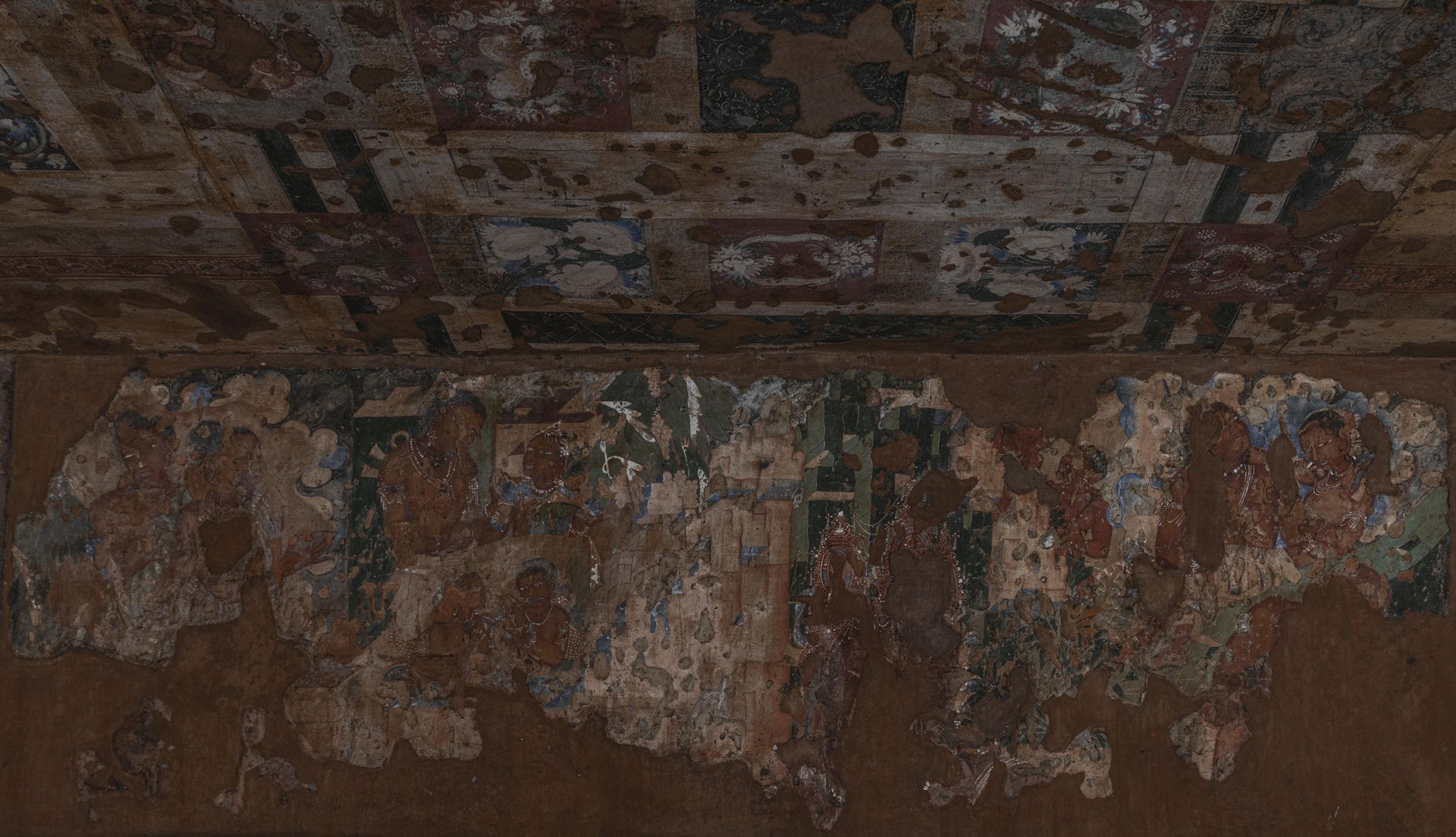
The Ajanta Caves are 30 rock-cut Buddhist monuments set into a horseshoe-shaped gorge in Aurangabad district. They were cut by hand out of vertical basalt cliffs between the 2nd century BCE and the 5th century CE, and monks used them as a retreat through the monsoon. Then they were forgotten — swallowed by jungle for centuries until someone stumbled on them again in 1819. What is inside is the finest ancient Indian wall painting to have survived anywhere. The pigments are natural minerals, and the Jataka tales and celestial figures they were used to paint carry an emotional weight that little else from the period does.
Carved into a horseshoe-shaped cliff between the 2nd century BCE and 6th century CE, the Ajanta caves were Buddhist monasteries and prayer halls abandoned for over a thousand years and rediscovered by a British officer, John Smith, while tiger hunting in 1819. Their wall paintings, depicting the Jataka tales of the Buddha's past lives, are among the earliest and finest surviving examples of ancient Indian painting.
A UNESCO World Heritage Site — 30 rock-cut Buddhist caves with 2,000-year-old murals, the finest surviving ancient Indian paintings.
8.5 lakh
monument in 2023 · ASI/tourism statistics
October to March for cool weather, or June to September to catch the canyon waterfall in full monsoon flow.
Closed on Mondays. Thirty caves cut into a horseshoe bend of the Waghora, abandoned for centuries and found again by a British hunting party in 1819. The paintings are dim: give your eyes ten minutes inside Cave 1 before deciding you cannot see anything.
UNESCO inscribed the caves in 1983. They were cut first in the early Hinayana period and later in the Mahayana, under the royal patronage of the Satavahana and then the Vakataka dynasties, and they mark a turning point in Buddhist architecture.
The closest airport is Chhatrapati Sambhajinagar Airport (Aurangabad), 100 km away. A highway runs from Aurangabad to the caves, with regular state buses and private tourist cabs daily.
Take the whole plan, or add any single stop.
Signature dishes and local flavours to look for in Ajanta Caves.
1 dish

The same Marathwada speciality found near Ellora — slow-cooked mutton with tandoor naan, common in the eateries en route to Ajanta.

Regional breakfast staples

Regional breakfast staples

Ajanta site
Simple meals and tea at the site

Bhakri, pithla and local vegetables

Deccan influence in the Aurangabad region
How to spend your time in Ajanta Caves.
The finest surviving Ajanta murals

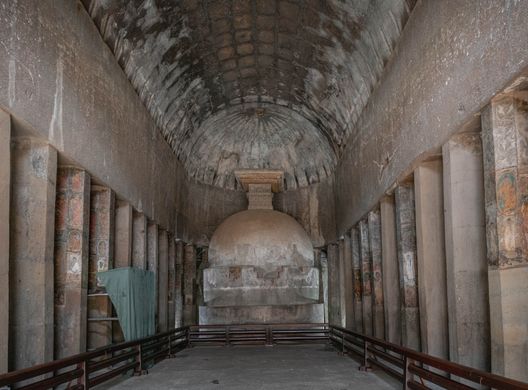
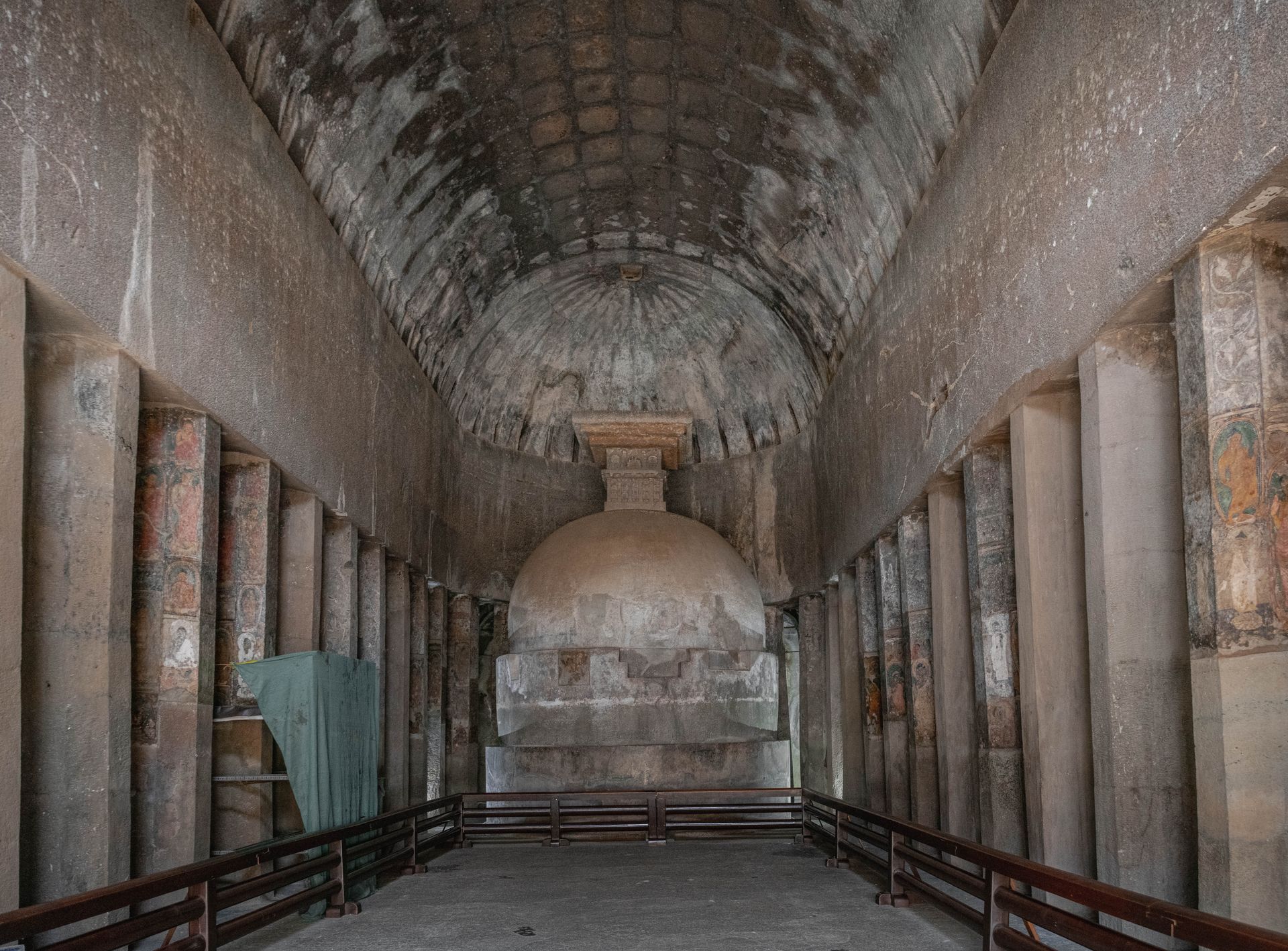
Ornate prayer hall with a carved stupa

See the horseshoe cliff of all 30 caves

The other UNESCO cave complex nearby
The places in Ajanta Caves most people come for.
Thirty rock-cut Buddhist caves from roughly the 2nd century BCE onward, famous for their ancient murals - a UNESCO World Heritage Site.
No - they are separate UNESCO sites about 100 km apart, usually combined on one trip from Aurangabad.
Other places worth pairing with this visit — tap a mood to reshape the list.
Travellers exploring here also loved
Travellers viewing Ajanta Caves also loved these
More places you'll love
More like Ajanta Caves
Or a different kind of trip

.jpg/1920px-Ratnagiri%2C_Velneshwar_-_panoramio_(100).jpg)
_-_panoramio.jpg/1920px-Suru_Trees_on_Shiroda_beach_(Velaghar_)_-_panoramio.jpg)


.jpg/1920px-Shaniwar_wada_(pune).jpg)


.jpg/1920px-India_Gate_(All_India_War_Memorial).jpg)