CityDekho

Browse by place

CityRegionDestinationAttractions

Browse by theme

By MoodAll themesFestivals of IndiaFestival calendarAncient India

Popular themes

BeachesHill StationsSpiritual PlacesPilgrimage & YatrasHeritage & FortsWildlifeAdventureFood TrailsSee all themes
Trip Ideas
Travel ItinerariesTravel GuidesEditorials
When to Go
My TripsSavedProfile
HomeExploreSearchSaved

Travel inspiration in your inbox

New destinations, festival guides and hidden gems — plus the occasional alert. No spam, unsubscribe anytime.

or
CityDekho

Discover India — destinations, hidden gems, festivals and pilgrimages, all in one place.

hello@citydekho.com

Explore

  • Destinations
  • States & UTs
  • Things to do
  • Trip Ideas
  • Pilgrimages
  • Ancient India
  • Festivals

Plan your trip

  • Itineraries
  • Travel guides
  • Road trips
  • Food trails
  • Best time to visit
  • Festival calendar
  • Search CityDekho

Categories

  • Hill Stations
  • Beaches
  • Wildlife
  • Spiritual
  • Adventure
  • Heritage
  • Weekend getaways
  • Hidden gems

Stories & support

  • Editorials
  • Feedback & ideas
  • About
  • Contact
By seasonsummermonsoonautumnwinterspring

© 2026 CityDekho. All rights reserved.

AboutContactFeedbackBest time to visit
CityDekho

Browse by place

CityRegionDestinationAttractions

Browse by theme

By MoodAll themesFestivals of IndiaFestival calendarAncient India

Popular themes

BeachesHill StationsSpiritual PlacesPilgrimage & YatrasHeritage & FortsWildlifeAdventureFood TrailsSee all themes
Trip Ideas
Travel ItinerariesTravel GuidesEditorials
When to Go
My TripsSavedProfile
HomeExploreSearchSaved
Home

When to travel

Best places to visit in June

Pre-monsoon June is the sweet spot for high-altitude travel — Spiti, Ladakh, and the Valley of Flowers are all accessible.

Moderate crowds
Leh

Leh & Ladakh

Leh

Leh sits at 3,500 metres and the single most important thing about it is that you cannot skip the first two days. Fly in and you arrive from sea level in ninety minutes. Spend the first forty-eight hours doing almost nothing — walk slowly, drink far more water than feels reasonable, no alcohol, no trekking. People who ignore this lose a week to altitude sickness or end up on a flight out. Coming overland from Manali or Srinagar acclimatises you properly, and if you have the days it is the better arrival. Once you are adjusted: Thiksey monastery at dawn for the morning prayers, which visitors are welcome at and which almost nobody attends. Hemis is grander but further. The Indus valley villages between Leh and Nimmu are where you see how people actually live at this altitude. Pangong and Nubra both need inner-line permits, arranged in Leh in a morning, and both are long hard drives. Pangong as a day trip is a mistake — twelve hours in a car for an hour at a lake. The road season is roughly June to September. Outside it the passes close and Leh is reachable only by air.

Sunny clear days and chilly mountain nights.

Busy
Magnetic Hill

Leh & Ladakh

Magnetic Hill

Magnetic Hill is a famous gravity-defying road stretch on the Srinagar-Leh National Highway, roughly 30 kilometers outside the capital town of Leh. Positioned at a height of approximately 3,350 metres above sea level, the location is clearly marked by a prominent yellow informational billboard erected by the local administration. When a stationary vehicle is placed in neutral gear inside the specifically marked rectangular box on the asphalt road, it appears to move uphill on its own accord at speeds reaching up to 20 kilometers per hour. While popular regional folklore attributes this movement to deep magnetic forces embedded inside the rocky mountains, scientific testing confirms it is an extraordinary optical illusion. The specific layout of the surrounding horizon and slopes distorts human perspective, making a slight downhill slope appear like a steep rising hill.

Bright sunny days with dry highway surfaces.

Moderate crowds
Spiti Valley (Kaza)

Himachal Pradesh

Spiti Valley (Kaza)

Spiti is the emptiest place in India that you can still drive to, and the reason to come is the scale of the nothing. This is high-altitude cold desert at 3,800 metres and above — bare rock, no trees, the river a thin green line at the bottom of it. Key monastery above Kaza is the one everyone photographs and deserves to be. Dhankar, built onto a spur of crumbling cliff, is the one that stays with you. Tabo has thousand-year-old wall paintings in a mud-brick complex that looks like nothing from outside. Kibber and Langza are the villages people go to for the fossils and the height; Komic claims to be among the highest with a motorable road. Go for the walking between them rather than to tick them off. Access decides your trip. The Manali side over Kunzum La is open roughly June to October. The Shimla side through Kinnaur is open most of the year and is the safer bet, but it is a long two-day drive. Doing it Shimla-in, Manali-out gives you gradual altitude gain, which is the right way round. Nights are cold in every month. There is no reliable mobile signal and cash machines are unreliable — bring notes.

Bright sunny days and crisp cool nights.

Moderate crowds
Key Monastery photo

Himachal Pradesh

Key Monastery

Key Monastery is a thousand-year-old Tibetan Buddhist monastery belonging to the Gelugpa (Yellow Hat) lineage. At 4,166 metres, it sits on a prominent volcanic cone hill overlooking the wide Spiti River valley floor. Located roughly 14 kilometers from Kaza, it stands as the largest monastery, primary spiritual archive, and leading training school for resident Lamas in Spiti Valley. The unique architectural layout of the monastery has evolved over centuries of restructuring, resulting in a tightly stacked, fortress-like profile known as the Pasada style. The close grouping of white-washed mud-brick rooms, multi-tiered chapels, and narrow defensive corridors gives the complex the appearance of a monolithic castle emerging naturally from the mountain slope.

Bright clear days with refreshing valley winds.

Busy
Hemis Monastery

Leh & Ladakh

Hemis Monastery

Hemis Monastery is a deeply revered Himalayan Buddhist sanctuary belonging to the Drukpa (Dragon) lineage of the Kagyu sect. Tucked away discreetly inside a hidden mountain canyon along the western banks of the Indus River, it lies roughly 45 kilometers south of main Leh town. It stands as the largest, wealthiest, and most institutionally influential monastery complex across Ladakh. The massive architecture presents a beautiful specimen of traditional Tibetan monastic layout, featuring white-washed stone masonry walls, intricately painted timber windows, and expansive open flagstone courtyards. Hemis houses an underground heritage museum containing priceless multi-century collections of gold-plated statues, sacred thangkas, and ancient weapons.

Warm sunny weather with crisp clear canyon skies.

Busy
Leh-Ladakh

Leh & Ladakh

Leh-Ladakh

Leh-Ladakh is a high-altitude desert region cradled by the Himalayan and Karakoram ranges in the union territory of Ladakh. Famed for stark moonscapes, centuries-old Buddhist monasteries, turquoise lakes such as Pangong Tso and dramatic passes like Khardung La, it is one of India's greatest adventure and road-trip destinations, best explored from May to September.

Peak season begins

Moderate crowds
Pangong Tso

Leh & Ladakh

Pangong Tso

Pangong Tso is an endorheic lake at an elevation of approximately 4,225 metres on the high-altitude Changtang plateau of eastern Ladakh. Spanning nearly 134 kilometers in length, roughly one-third of this long lake lies within Indian territory, while the remaining stretch extends directly into Tibet. The water bodies are known for their unique ability to change color shades from azure to turquoise and brilliant indigo dynamically throughout the daytime. The lake basin is backdropped by stark, barren mountains that reflect off the crystal-clear water front like a giant mirror. Despite containing saline brackish water, the lake freezes over completely into heavy sheets of solid ice during severe winter months, creating a surreal arctic wilderness.

Sunny with crisp clear skies and freezing winds.

Busy
Sonamarg photo

Jammu & Kashmir

Sonamarg

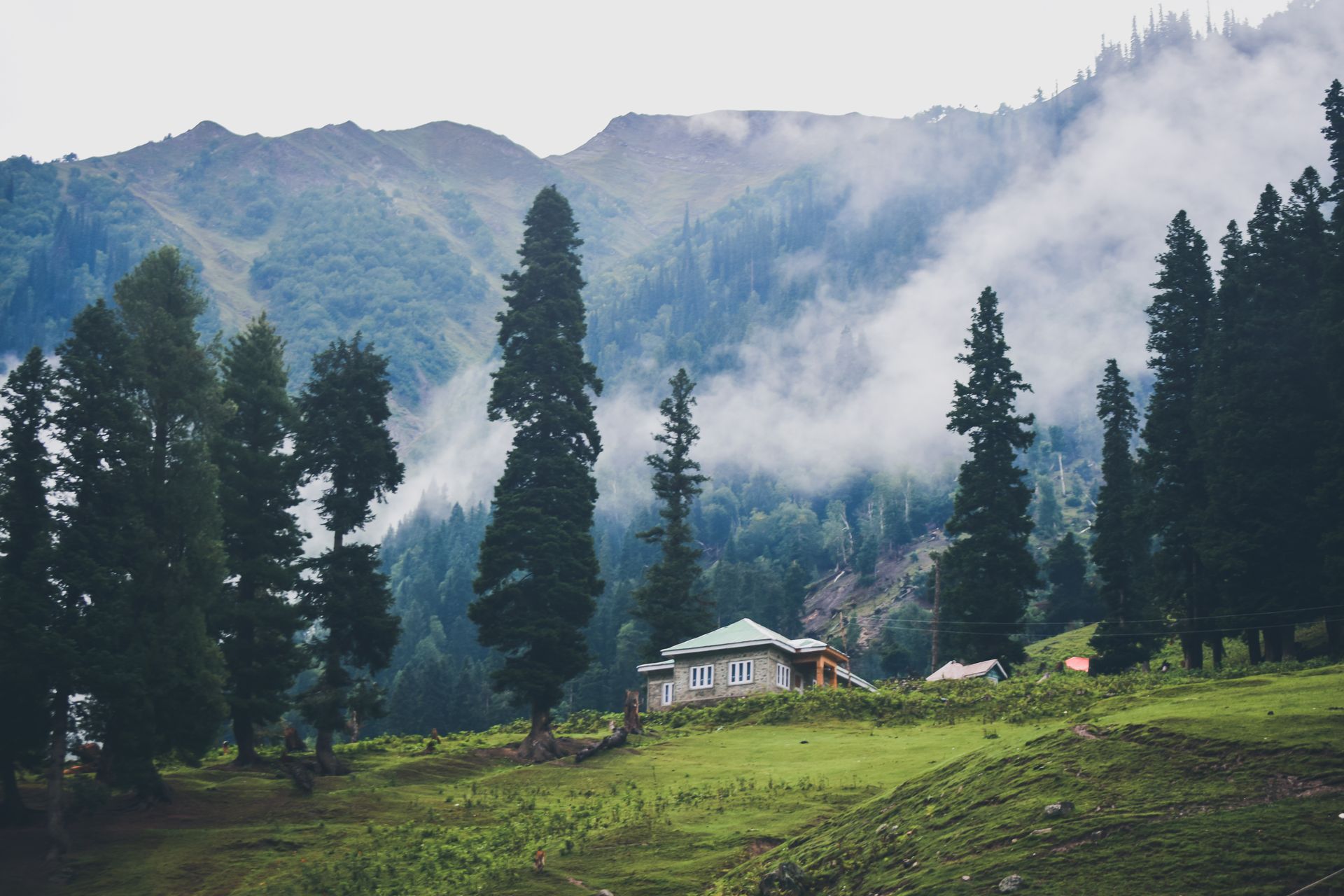
Sonamarg is eighty kilometres up from Srinagar and the last town before Zoji La and Ladakh. The road in is shut by snow from roughly December to April, so this is a summer place whether you like it or not. Thajiwas glacier is four kilometres up the side valley, on foot or by pony. It has been retreating for years, so the walk to the ice is longer than older guidebooks suggest, and the pony rates are officially fixed and routinely ignored — settle the price and the route before you mount. It is also the start of two serious walks: the Amarnath yatra from Baltal, and the Kashmir Great Lakes trek, which takes a week and is among the best in the country. Come as a day trip from Srinagar if you only want the meadow. Stay if you are walking.

Comfortably refreshing afternoons with emerald green valley floors.

Moderate crowds
Doodhpathri

Jammu & Kashmir

Doodhpathri

Doodhpathri is a meadow about forty kilometres out of Srinagar in Budgam district, with almost nothing built on it — no hotels, a handful of stalls. That is the whole appeal, and it also makes this a day trip rather than a stay. The Shaliganga runs through it fast enough over the boulders to churn white, which is where the name comes from: milk meadow. Go on a weekday. At weekends Srinagar families fill it and the single road in becomes the problem. Carry food; what is sold up there is limited. Open roughly April to October, and snowed shut in winter.

Pleasant cool afternoon hours with soft sun rays.

Moderate crowds
Mount Kailash

Mount Kailash

Mount Kailash, a 6,638-metre peak in the remote Tibetan plateau, is among the most sacred mountains on earth — revered by Hindus as the abode of Lord Shiva, by Buddhists, Jains and the Bon faith alike. Pilgrims undertake the arduous 52-km kora (circumambulation) around its base; the peak itself is never climbed.

Short high-altitude summer window.

Moderate crowds
Lake Mansarovar

Lake Mansarovar

Lake Mansarovar, at 4,590 metres one of the highest freshwater lakes in the world, lies at the foot of Mount Kailash on the Tibetan plateau. Its turquoise water is deeply sacred to Hindus, Buddhists and Jains, and pilgrims bathe in and circumambulate the lake as part of the Kailash yatra.

Short high-altitude summer window.

Peak crowds
Manali photo

Himachal Pradesh

Manali

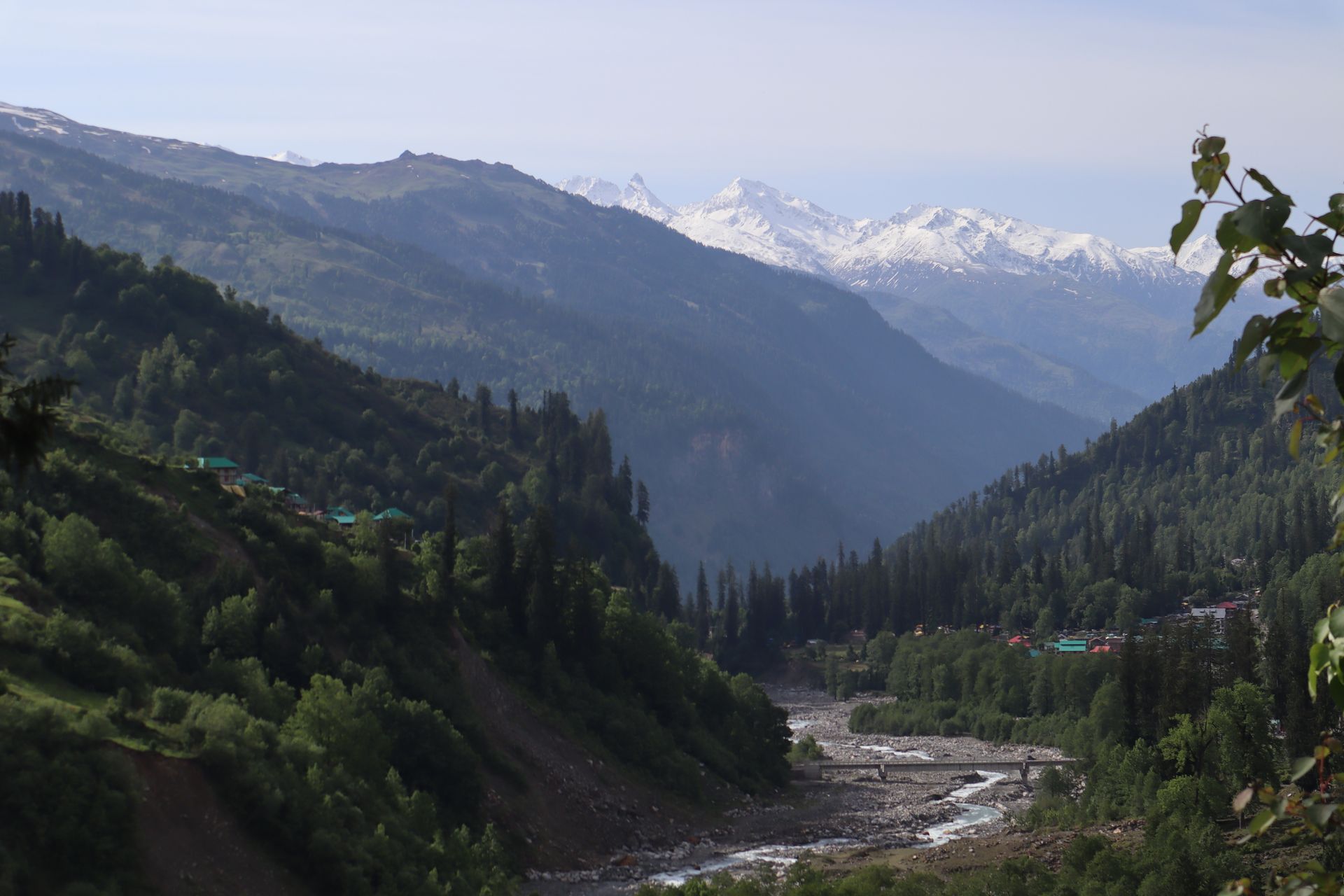
Manali is really two places, and knowing which one you booked matters more than anything else about the trip. Mall Road Manali is a busy Indian hill-station town — traffic, hotels, shops selling the same shawls. Old Manali, up the hill across the river, is quieter, low-rise and where most people actually want to be. Vashisht, on the other side, has the hot springs and a similar feel. Hadimba temple, in the deodar forest above town, is four hundred years old with a tiered wooden roof and is worth the twenty minutes. Solang and Rohtang are the standard day trips and both are congested in season; Rohtang needs a permit, which is capped daily and must be arranged in advance. The Atal Tunnel changed the geography here. Lahaul, which used to be a full expedition, is now well under an hour away, and going through it for the day gives you a completely different landscape. May and June are the peak and are crowded. October and November are clear, cold and quiet. Do not expect snow in town below about December, whatever the photographs suggest.

Peak summer season, all roads open

Moderate crowds
Nubra Valley — photo

Leh & Ladakh

Nubra Valley

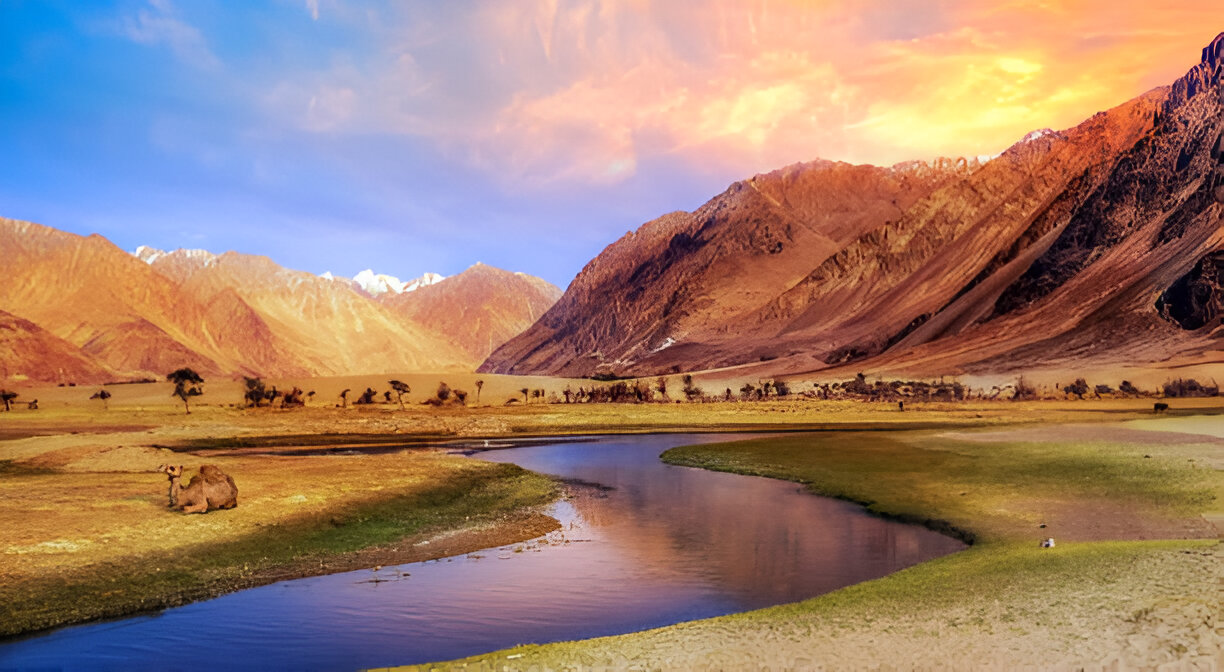
Nubra Valley is a striking tri-armed high-altitude river valley positioned north of Leh, sitting at an average elevation of nearly 3,048 metres. Carved over millennia by the confluence of the Shyok and Nubra rivers, it acts as a dramatic buffer separating the Ladakh mountain chain from the giant peaks of the Karakoram range. The geography presents an incredible landscape transition, shifting rapidly from jagged mountain cliffs and lush village oasis farms to rolling white sand dunes. The core tourism activity is centered around Hunder village, home to a cold desert ecosystem populated by rare double-horned Bactrian camels. The entire valley floor is overlooked by the historic Diskit Monastery, which houses a colossal outdoor statue of Maitreya Buddha facing down the valley.

Warm sunny days with refreshing mountain winds.

Moderate crowds
Yamunotri photo

Uttarakhand

Yamunotri

The sacred source of the Yamuna River and the first stop of the Chota Char Dham pilgrimage circuit in Uttarakhand. Yamunotri is at an altitude of approximately 3,293 metres in the Garhwal Himalayas. It is revered as the seat of Goddess Yamuna. The actual source of the river is the Champasar Glacier located further up on the Kalind Mountain, which is inaccessible, making the temple the primary place of veneration. Pilgrims undertake a 6 km trek from Janki Chatti to reach the temple. The journey features thermal springs, the most famous being Surya Kund, where pilgrims cook rice and potatoes as prasad. Before entering the temple, devotees offer prayers at Divya Shila, a sacred rock pillar.

Moderate crowds
Gangotri photo

Uttarakhand

Gangotri

The revered birthplace of the holy River Ganga and the second shrine in the Chota Char Dham circuit. Gangotri is at an elevation of 3,048 metres in the Uttarkashi district of Uttarakhand. The white granite temple sits on the banks of the Bhagirathi River. While the actual geographical source of the Ganges is Gaumukh at the base of the Gangotri Glacier (an 18 km trek from the town), Gangotri town is the accessible spiritual epicenter for millions of devotees.

Moderate crowds
Badrinath

Uttarakhand

Badrinath

A Vishnu temple that anchors both the national Char Dham and the Chota Char Dham circuits. Badrinath is a historic holy town between the Nar and Narayana mountain ranges in the Chamoli district of Uttarakhand. It sits at an altitude of 3,133 metres along the banks of the Alaknanda River.

Moderate crowds
Hemkund Sahib

Uttarakhand

Hemkund Sahib

One of the highest and most revered Sikh shrines in the world, next to a glacial lake surrounded by seven mountain peaks. Gurdwara Sri Hemkund Sahib is a renowned pilgrimage center located at an astounding altitude of 4,572 metres (15,000 feet) in the Chamoli district of Uttarakhand. It is sacred to both the Sikh community and Hindu devotees.

Moderate crowds
Chopta (Tungnath)

Uttarakhand

Chopta (Tungnath)

An offbeat hill station popularly dubbed the 'Mini Switzerland of Uttarakhand', serving as the base for the trek to the world's highest Shiva temple. Chopta is a small, hamlet comprising untouched alpine meadows and evergreen forest stretches in Rudraprayag district. At 2,680 metres it forms part of the Kedarnath Wildlife Sanctuary.

Moderate crowds
Mussoorie

Uttarakhand

Mussoorie

Famously nicknamed the 'Queen of the Hills', this historic colonial-era hill station looks out over the Doon Valley and Shivalik ranges. Mussoorie is a legendary hill station at an altitude of roughly 2,009 metres in the Dehradun district of Uttarakhand. It stands as one of India's oldest and most commercialized mountain getaways, established during the British Raj.

Low crowds
Tso Moriri

Leh & Ladakh

Tso Moriri

Tso Moriri, or Mountain Lake, is an offbeat high-altitude lake tucked away at an astounding elevation of 4,522 metres on the Changtang plateau of southeastern Ladakh. The body of water spans roughly 19 kilometers in length and is entirely fed by glacial meltwater from surrounding snow peaks exceeding 6,000 metres. It is protected under international environmental treaties as part of the Tso Moriri Wetland Conservation Reserve. Unlike Pangong Tso, Tso Moriri is far quieter, less commercialized, and rawer for it. The cobalt-blue waters are flanked by the small nomadic settlement of Korzok, which houses an ancient mud-brick monastery. The surrounding marshy wetlands provide sanctuary to rare and endangered Himalayan migratory birds.

Extremely cold days with melting ice lines on water.

Low crowds
Chandratal Lake photo

Himachal Pradesh

Chandratal Lake

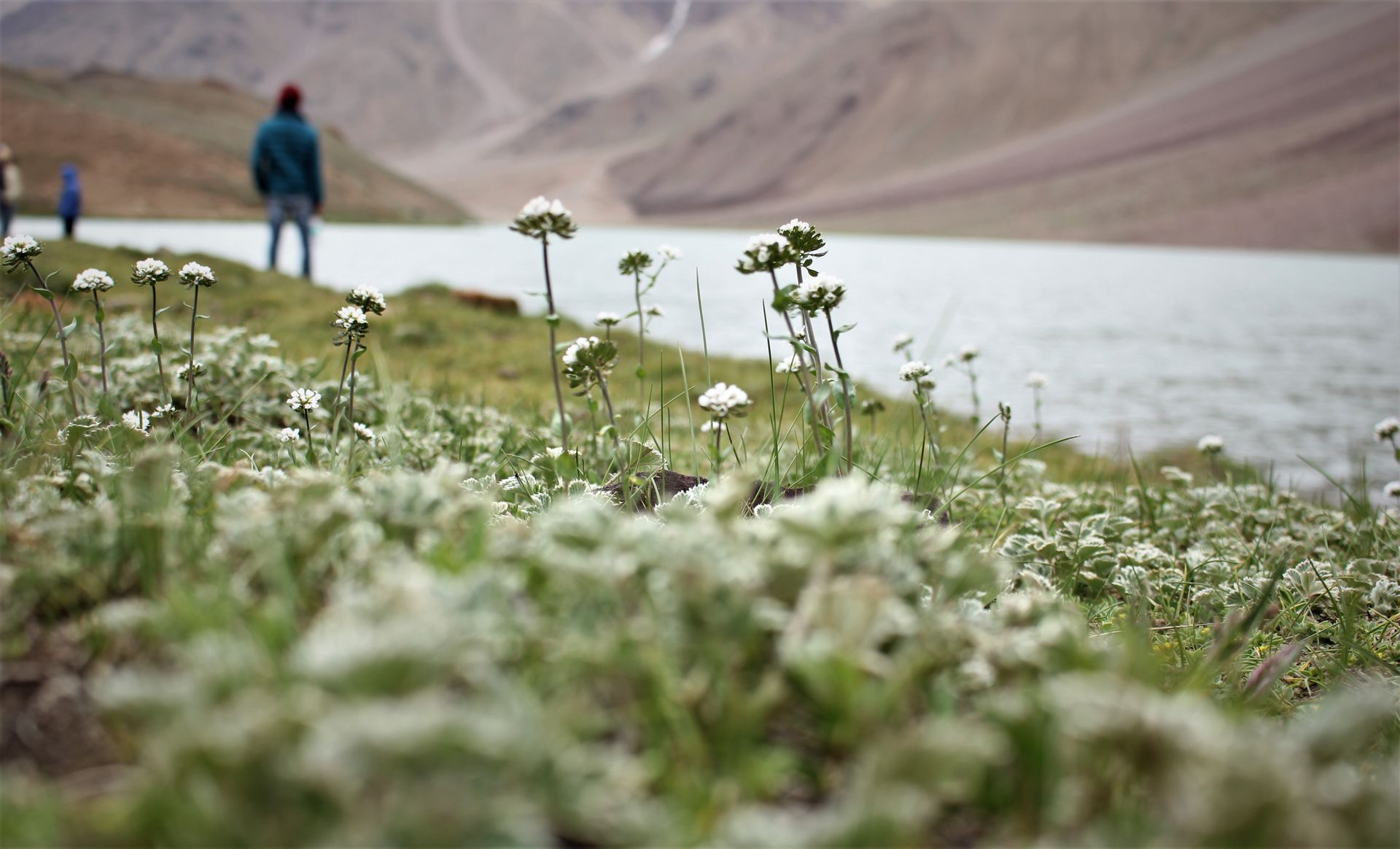
Chandratal Lake, translating to the Lake of the Moon, is a high-altitude glacial gem at an elevation of approximately 4,250 metres in the Lahaul and Spiti district, on the Samudra Tapu plateau overlooking the thundering Chandra River valley, the lake gets its name from its natural crescent contour shape. The body of water spans roughly 2.5 kilometers in circumference and is entirely surrounded by snow-covered mountain ridges. The lake is known for its hyper-clear water, which reflects the surrounding peaks and changing sky like a mirror. The color shifts dynamically from clear turquoise to aquamarine and deep emerald green as the day advances. The entire area is a protected Ramsar wetland eco-zone, preserving a fragile alpine meadow ecosystem.

Very cold daytimes with chunks of ice floating on water.

Festivals in June

From our festival calendar. Most Indian festivals move with the lunar calendar, so we name the month rather than a day.

Ambubachi MelaJune

Ambubachi Mela

religious

Explore festival →
Champakulam Boat RaceJune

Champakulam Boat Race

cultural

Explore festival →
Hemis FestivalJune

Hemis Festival

religious

Thousands of international travelers and Tibetan Buddhist pilgrims gather at Hemis Monastery annually for the two-day festival.

Explore festival →
Raja ParbaJune

Raja Parba

regional

Explore festival →
Sao Joao FestivalJune

Sao Joao Festival

cultural

Explore festival →
Sindhu DarshanJune

Sindhu Darshan

cultural

Explore festival →

Other months

januaryfebruarymarchaprilmayjulyaugustseptemberoctobernovemberdecember

Travel inspiration in your inbox

New destinations, festival guides and hidden gems — plus the occasional alert. No spam, unsubscribe anytime.

or
CityDekho

Discover India — destinations, hidden gems, festivals and pilgrimages, all in one place.

hello@citydekho.com

Explore

  • Destinations
  • States & UTs
  • Things to do
  • Trip Ideas
  • Pilgrimages
  • Ancient India
  • Festivals

Plan your trip

  • Itineraries
  • Travel guides
  • Road trips
  • Food trails
  • Best time to visit
  • Festival calendar
  • Search CityDekho

Categories

  • Hill Stations
  • Beaches
  • Wildlife
  • Spiritual
  • Adventure
  • Heritage
  • Weekend getaways
  • Hidden gems

Stories & support

  • Editorials
  • Feedback & ideas
  • About
  • Contact
By seasonsummermonsoonautumnwinterspring

© 2026 CityDekho. All rights reserved.

AboutContactFeedbackBest time to visit