Browse by place
Browse by theme
Popular themes
Collection
Cool air, pine forests & snow-capped peaks
36 places
Sikkim
Yumthang Valley, often called the Valley of Flowers of Sikkim, is an alpine meadow at around 3,500 metres in North Sikkim. In spring its slopes blaze with rhododendrons and primulas, and there are hot springs, the Shingba Rhododendron Sanctuary, and Zero Point higher up.
Nagaland
Khonoma is a historic Angami Naga village about 20 km from Kohima in Nagaland, celebrated as India's first green village. Famous for community-led conservation, terraced rice fields and a proud history of resistance, it is surrounded by the Khonoma Nature Conservation and Tragopan Sanctuary.
Manipur
Ukhrul is the highest hill town in Manipur and the home of the Tangkhul Naga people, set among rolling green hills in the state's northeast. It is famous for the rare Shirui Lily, a pinkish-white flower found only on nearby Shirui Peak, along with caves, waterfalls and Tangkhul Naga villages.
Arunachal Pradesh
Mechuka (Menchukha) is a remote, wide-floored valley in the Shi Yomi district of Arunachal Pradesh near the border, ringed by pine-clad mountains at around 1,900 metres. Long isolated and only recently opened to travellers, it is home to Memba and Tibetan Buddhist culture and the centuries-old Samten Yongcha monastery.
Lachung is a mountain village in North Sikkim at around 2,700 metres, set where the Lachen and Lachung rivers meet amid apple orchards and waterfalls. Home to the Lepcha and Bhutia communities and the century-old Lachung Monastery, it is the main gateway to the flower-filled Yumthang Valley.
Mizoram
Aizawl, the capital of Mizoram, is a hill city draped across steep ridges at around 1,100 metres. Known for its warm Mizo culture, churches and lively markets, there are long views from Durtlang Hills and landmarks such as Solomon's Temple, all set among green northeastern hills.
Bomdila is a scenic Himalayan hill town in the West Kameng district of Arunachal Pradesh, perched around 2,400 metres with sweeping views of snow-capped peaks. Home to the Monpa people and a large Buddhist monastery, it is a popular stop on the mountain road to Tawang, surrounded by apple orchards and craft centres.
Namchi, the district headquarters of South Sikkim, is a hill town famed for its giant religious landmarks. It is home to the towering Samdruptse statue of Guru Padmasambhava, the Siddhesvara Dham (Char Dham) pilgrimage complex with replica temples, and sweeping views over tea gardens and the Himalayas.
Pelling is a hill town in western Sikkim known for its close-up views of Kanchenjunga, the world's third-highest peak. Set amid forested ridges, it is a base for the historic Pemayangtse and Sanga Choling monasteries, the ruins of Rabdentse (a former Sikkimese capital), and the dramatic glass Skywalk at Chenrezig.
Tamil Nadu
Coonoor is the second-largest of the Nilgiri hill stations in Tamil Nadu, quieter than neighbouring Ooty and wrapped in rolling tea gardens. Reached by the UNESCO-listed Nilgiri Mountain Railway, it has cool air, old bungalows, Dolphin's Nose and Sim's Park.
Gujarat
The Taranga Hills are a rugged sandstone range in the Satlasana area of Mehsana district, part of the old Aravalli system, with jagged cliffs, scrub and caves. They are best known for a well-preserved 12th-century Jain temple set on a high plateau, and for Buddhist rock-cut caves hidden among the surrounding boulders.
Shatrunjaya Hill, near Palitana town in the Bhavnagar district, is a world-famous sacred mountain rising above the Shatrunjaya River. It stands as a unique structural wonder, being the world's only mountain holding a fortified complex of more than 860 carved marble temples built over a millennium. Considered an entirely holy landscape by the Jain community, no vehicles are permitted past the base database, requiring pilgrims and travelers to scale approximately 3,500 stone steps to reach the mountaintop complex.
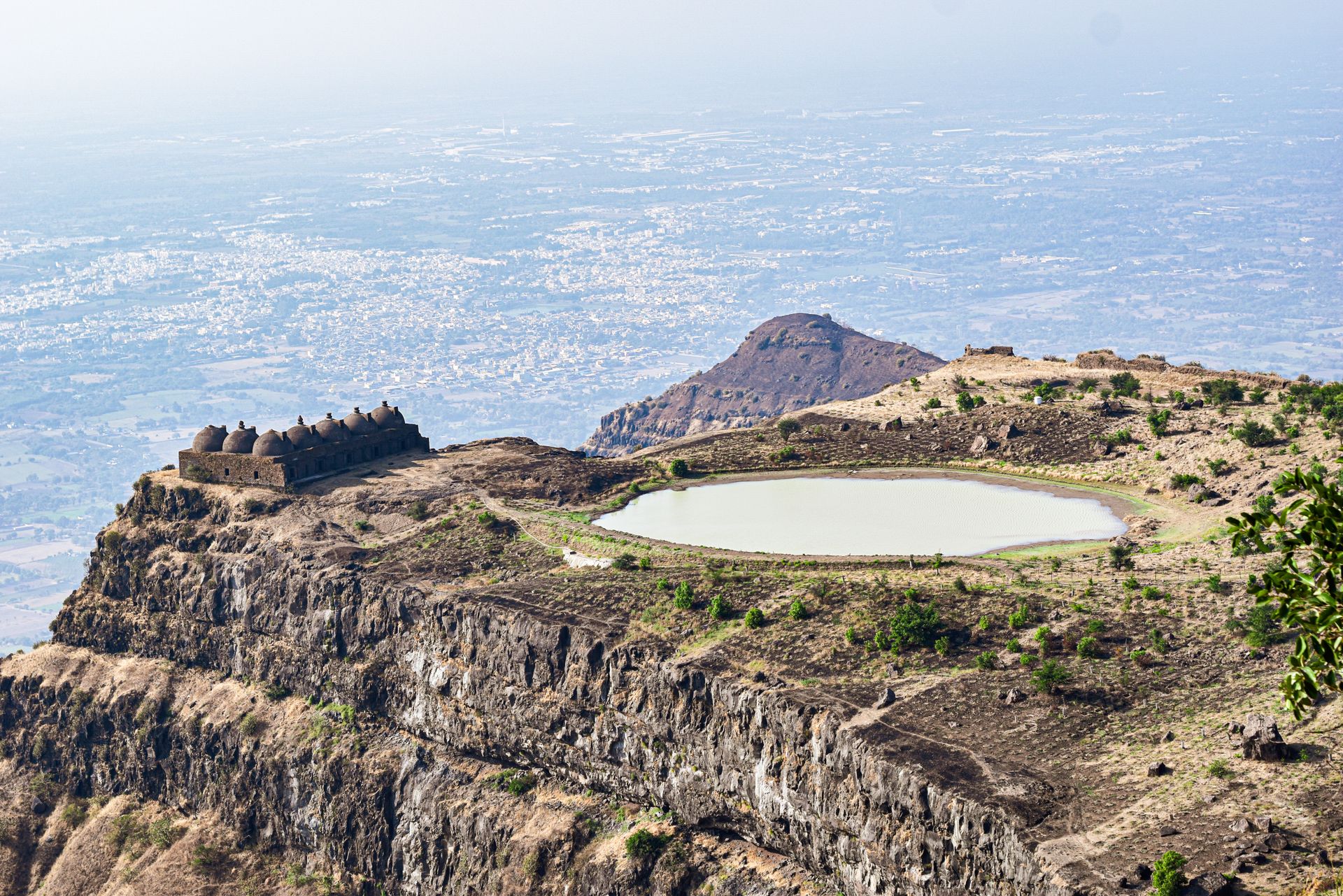
Pavagadh Hill is a volcanic plateau rising about 822 metres from the plains of the Panchmahal district, at the heart of the UNESCO-listed Champaner-Pavagadh Archaeological Park. Its slopes hold Rajput fortifications, medieval gateways and reservoirs, and a much-visited Kalika Mata (Shakti Peeth) shrine near the top.
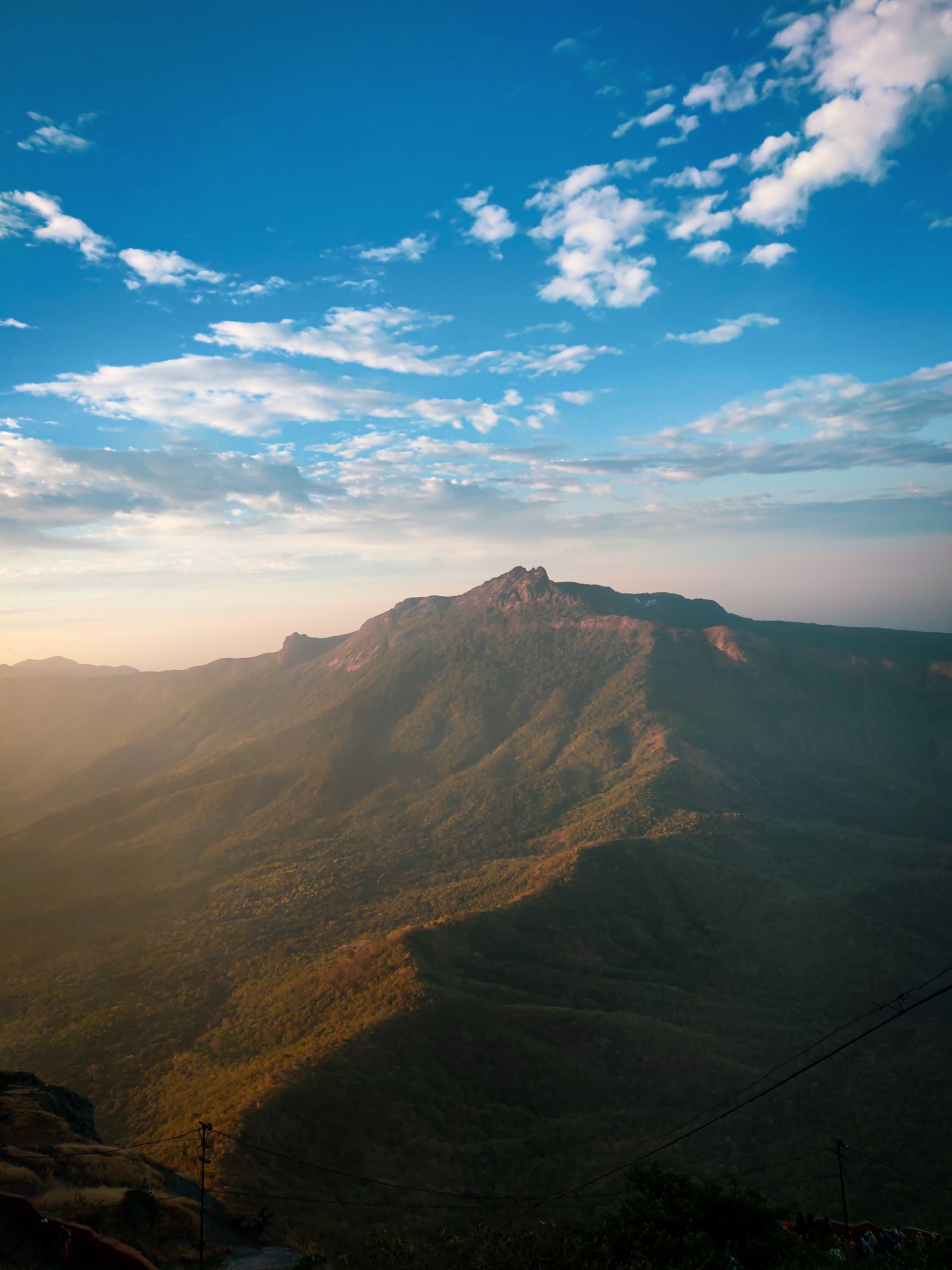
The Girnar Hills rise outside Junagadh, an old volcanic range whose highest point, Gorakhnath Peak, reaches 1,031 metres — the highest in Gujarat. Wrapped in the dry-deciduous forest of the Gir landscape, the hills are a shared sacred site, with Jain marble temples and Hindu shrines near the top. Reaching them means either climbing a famous stairway of nearly 10,000 steps or taking the ropeway up over the forested valleys.
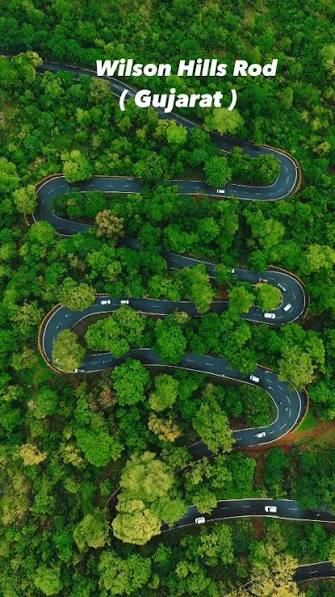
Wilson Hills is a small hill retreat in the Dharampur area of Valsad district, set around 2,500 feet up in the Pangarbari forests — one of the few hill spots in Gujarat from which, on a clear day, you can glimpse the distant Arabian Sea. Laid out as a summer retreat by the Dharampur ruler Vijaydevji and named after a Governor of Bombay, it is known for its winding ghat roads, cliffs and seasonal waterfalls.
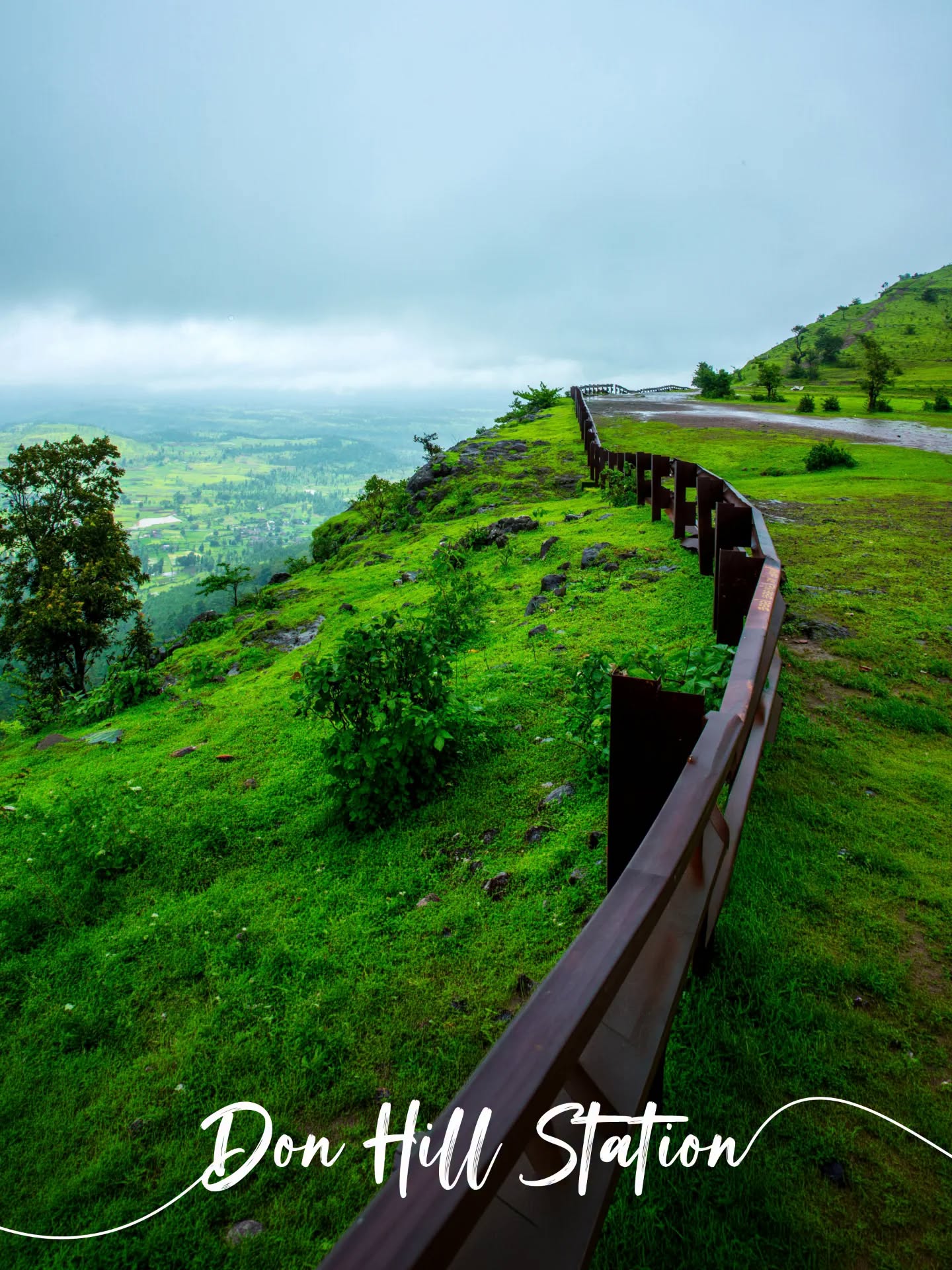
Don Hill Station is an emerging, hill village deep within the Sahyadri mountain range in the Dang district of South Gujarat. At about 1,000 metres it matches Saputara in elevation but remains entirely untouched by mass commercial commercialization. The destination is a rustic, eco-tourism landscape enveloped by dense bamboo forests, steep valley drop-offs, and small mountain streams. It is inhabited by a small indigenous tribal community, with an authentic rural escape characterized by clean mountain air and rich bio-diversity.
Saputara is Gujarat's only hill station, which makes it modest by Himalayan standards and genuinely useful if you are anywhere near Surat or Ahmedabad. It sits at about a thousand metres in the Dang forests near the Maharashtra border. The lake at the centre is the focus — boating, a promenade, and a ropeway up to the sunset point. None of it is dramatic. What is good is the drive in through the Sahyadri forest, the Gira waterfall after the monsoon, and the tribal museum, which is small and better than it needs to be. The monsoon and the weeks just after it are when this place justifies itself. The Saputara Monsoon Festival runs through those months, the forest is fully green and the waterfalls are actually falling. By March the hills have gone brown and the lake is low. Set your expectations to a cool weekend in the woods rather than a mountain trip, and it holds up. Two nights is right; a week would be too long. July to November.
Himachal Pradesh
Old Manali is the laid-back, bohemian counterpart to Manali town — a riverside cluster of guesthouses, cafes and orchards above the Manalsu stream. While Manali proper is a busy hill-station hub, Old Manali draws backpackers and long-stay travellers with its slower pace, music cafes and mountain-village feel. It works as both a chilled base and an adventure springboard, with the Hampta Pass, Solang Valley and Jogini Falls within easy reach. Cobbled lanes lined with German bakeries, hostels and gear shops make it a favourite first stop for those heading deeper into Himachal or up to Spiti and Leh.
Jibhi is a quiet wooden-cottage village in the Banjar (Tirthan) region of Himachal, increasingly loved by young travellers for its forested calm, waterfalls and aesthetic cafe-stays. Less developed than Manali or Kasol, it has a cosy, Instagram-favourite slow-travel base in the Kullu hills. Set among deodar forests and apple orchards, Jibhi pairs gentle hikes — to Jibhi Falls, the Serolsar Lake and the Jalori Pass — with riverside cottages and a laid-back cafe scene. Its scenic, unhurried character makes it a top pick for workations, couples and friend groups.
Jammu & Kashmir
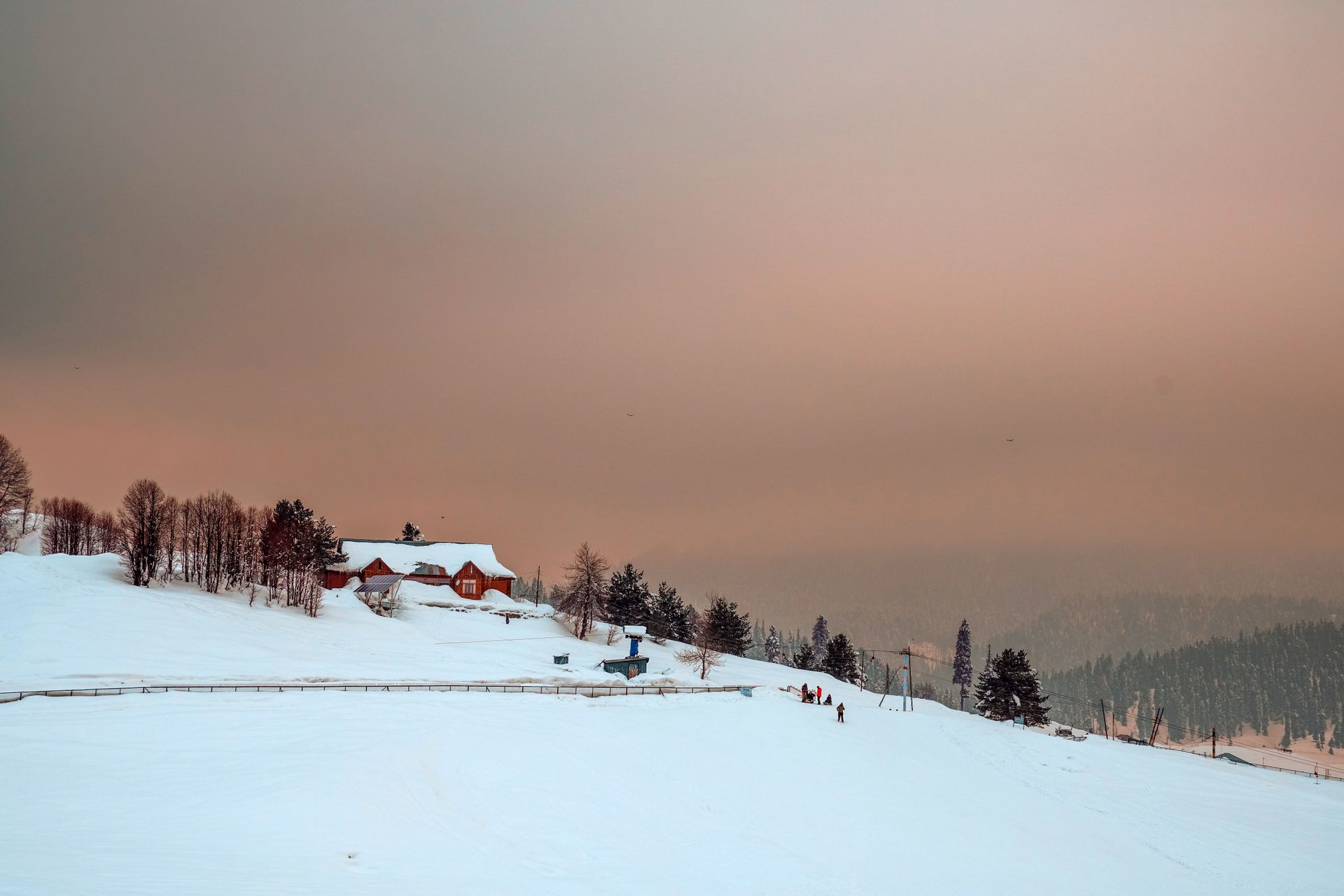
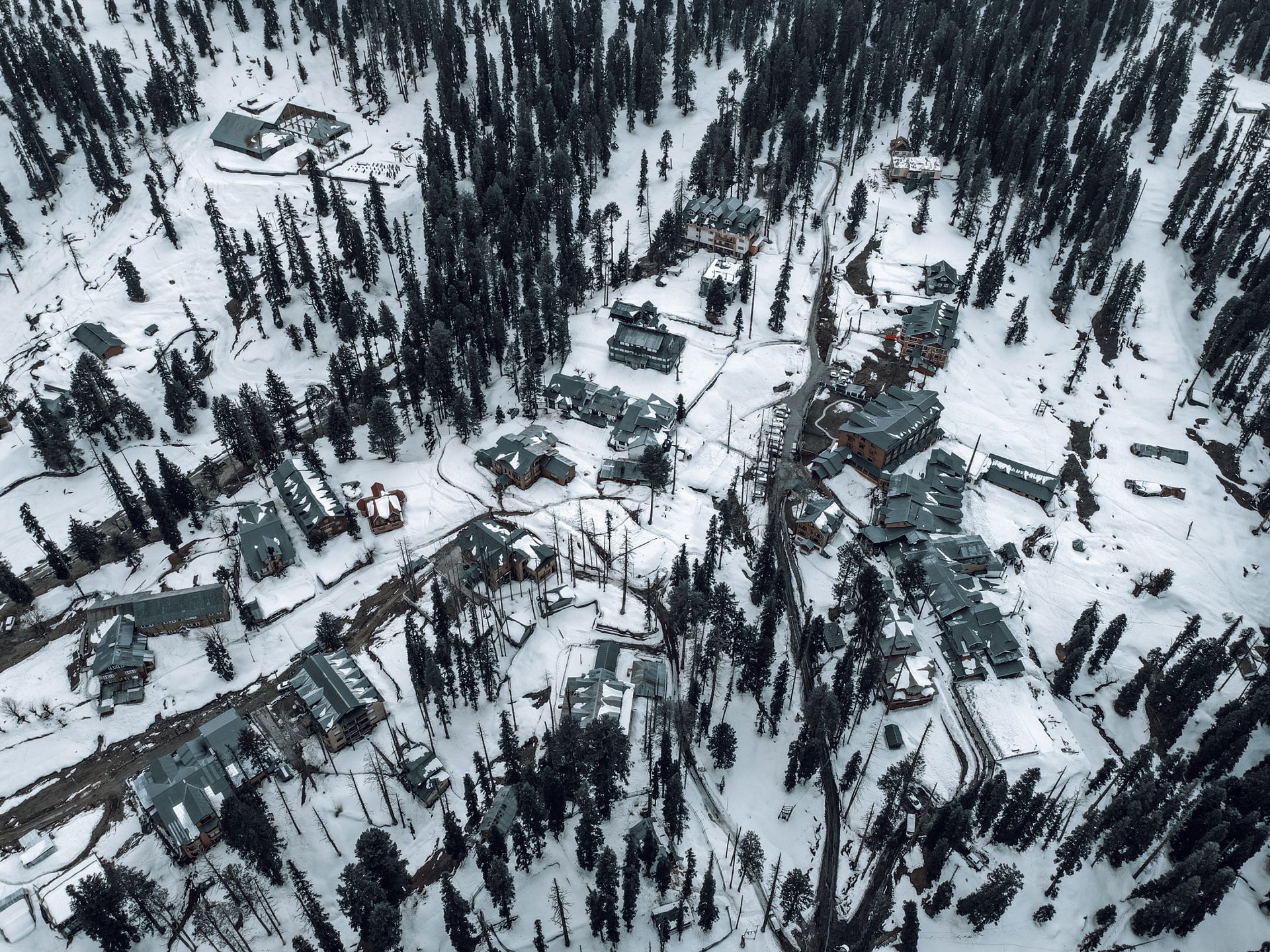
Gulmarg is a bowl of meadow at 2,650 metres in the Pir Panjal, and it does two completely different jobs depending on the month. December to March it is the only serious ski resort in India. The Apharwat face has real off-piste terrain and the snow is dry enough to justify the trip. May to September the snow is gone and it is a meadow full of wildflowers with a golf course on it, one of the highest anywhere. The gondola climbs in two stages. The first, to Kongdoori, almost always runs. The second, up to just under four thousand metres on Apharwat, is frequently closed for wind and its tickets are capped daily — buy both stages early or accept that you may only get the first. If you are skiing off-piste, a guide is not optional. This is avalanche terrain and it has killed people.
Karnataka
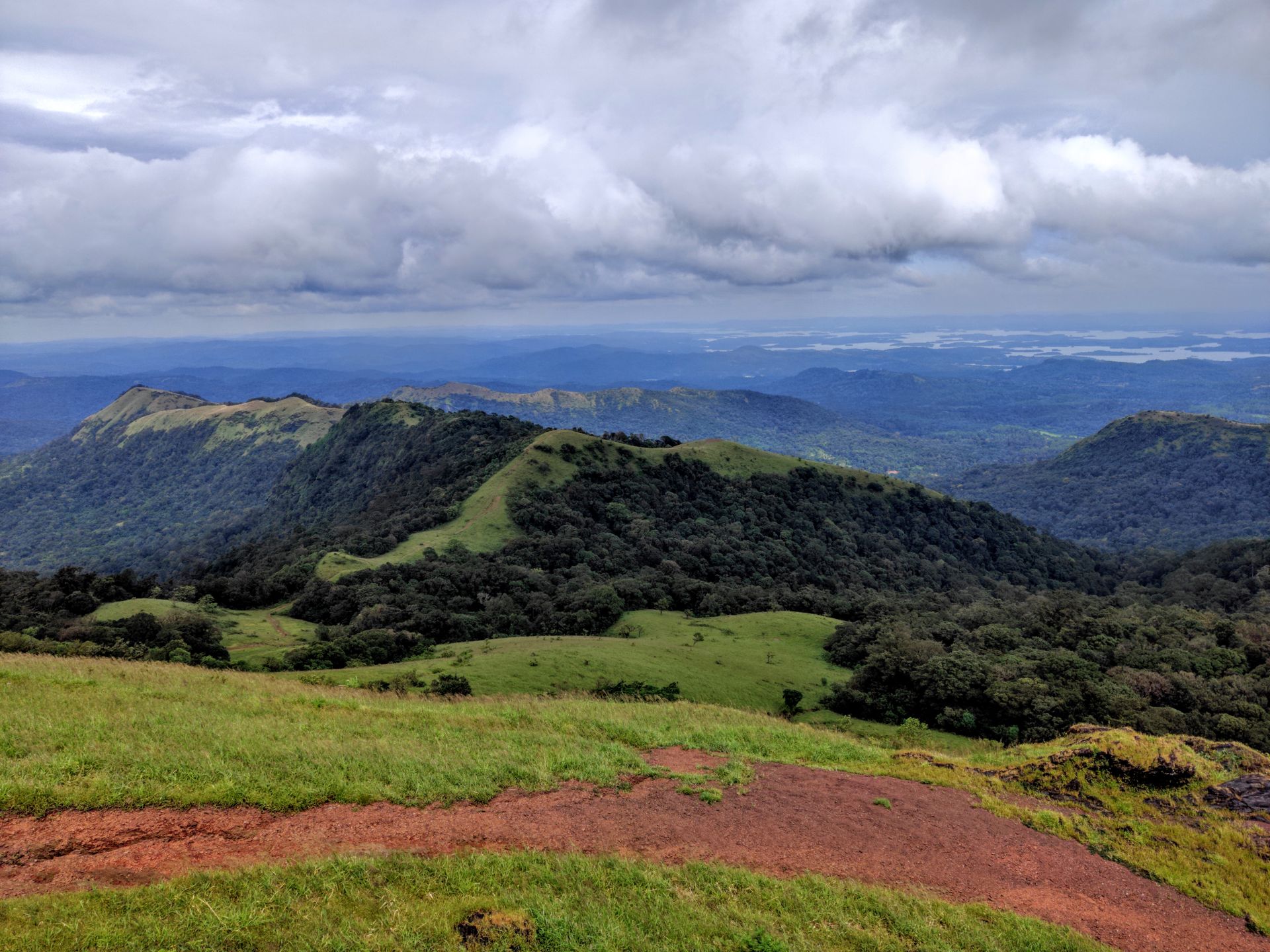
Chikmagalur is the coffee heartland of Karnataka, a lush hill district in the Western Ghats where rolling estates, misty peaks and waterfalls draw a steady stream of young travellers from Bengaluru and beyond. It is a top weekend and workation pick for those wanting estate-stays, treks and great coffee within easy reach of a big city. Home to Mullayanagiri (Karnataka's highest peak), Baba Budangiri and dense shola forests, Chikmagalur blends gentle adventure with slow plantation living. Coffee homestays, trekking trails and cafe culture make it a favourite for couples, friend groups and remote workers.
Gangtok is where most Sikkim trips begin, and its real value is as a base rather than a destination. The town itself is a steep ridge of concrete with one pleasant pedestrian street, MG Marg, where no vehicles and no spitting are allowed and the whole town walks in the evening. Rumtek monastery, half an hour out, is the seat of the Karma Kagyu lineage and the more worthwhile hour. Enchey, closer in, is quieter still. Tsomgo lake and Nathu La are the standard day trip. Both need permits arranged through a registered operator in Gangtok, both are high — Tsomgo is at around 3,700 metres — and Nathu La is closed to foreign nationals entirely. If you have only been in the hills a day, that altitude gain in a single drive is a lot. For actual Sikkim, keep going. Pelling for the Kanchenjunga view, Yuksom for the walking, north Sikkim for Lachung and the Yumthang valley — all of which need their own permits. March to May and October to early December. The monsoon here brings serious landslides and roads close for days at a time.
Uttarakhand
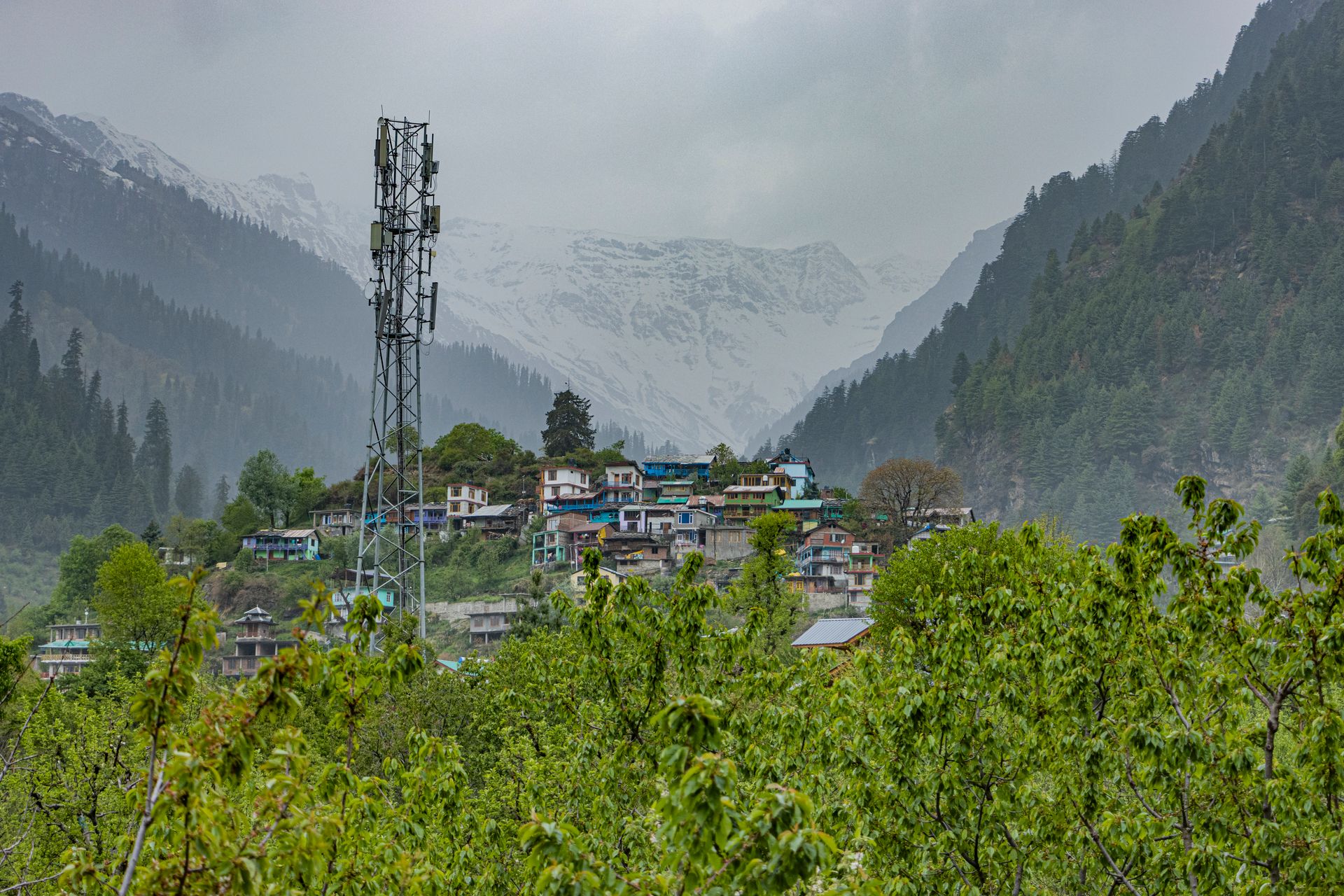
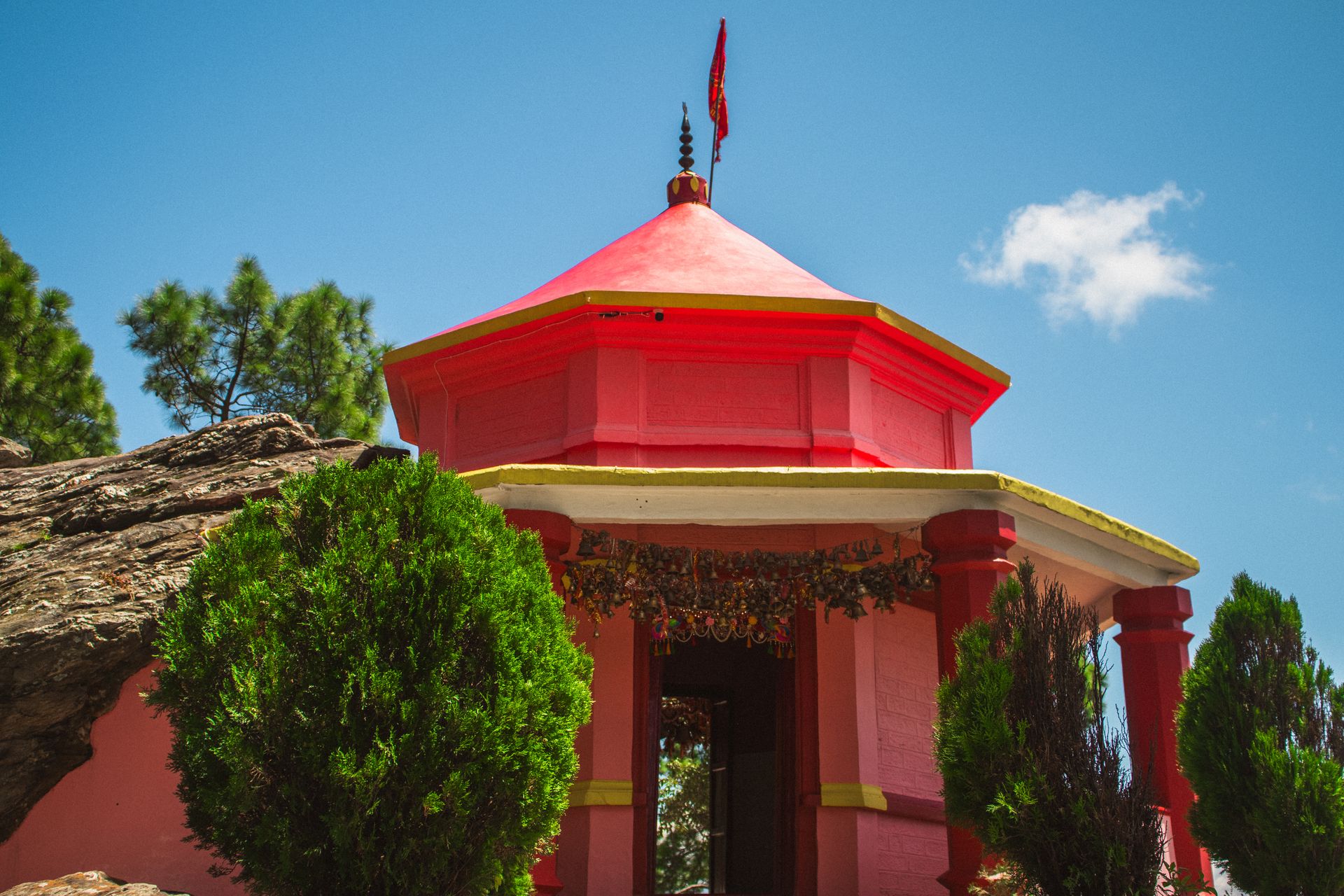
Kasar Devi is a ridge-top village near Almora in the Kumaon Himalayas, long famous as a counterculture and spiritual retreat with sweeping Himalayan views. Once home to artists and seekers on the hippie trail, today it has become a quiet workation and slow-travel base known for its cafes, the famous 'Crank's Ridge', and an unusual geomagnetic phenomenon. The village looks out at Trishul and Nanda Devi, pine forests, and a cluster of cosy cafes and homestays. Its mellow, creative atmosphere makes it a favourite among writers, remote workers and travellers seeking calm over crowds.
Kausani is a quiet Kumaon hill station famous for its uninterrupted 300-km panorama of the Himalayan peaks — including Trishul, Nanda Devi and Panchachuli. Mahatma Gandhi called it the 'Switzerland of India', and it has since become a peaceful retreat for travellers seeking views, tea gardens and stillness over nightlife. With its terraced tea estates, pine forests and sunrise viewpoints, Kausani has grown popular with couples, families and remote workers wanting a calm, scenic base. It pairs well with nearby Baijnath temples and the Kumaon trekking circuit.
Maharashtra
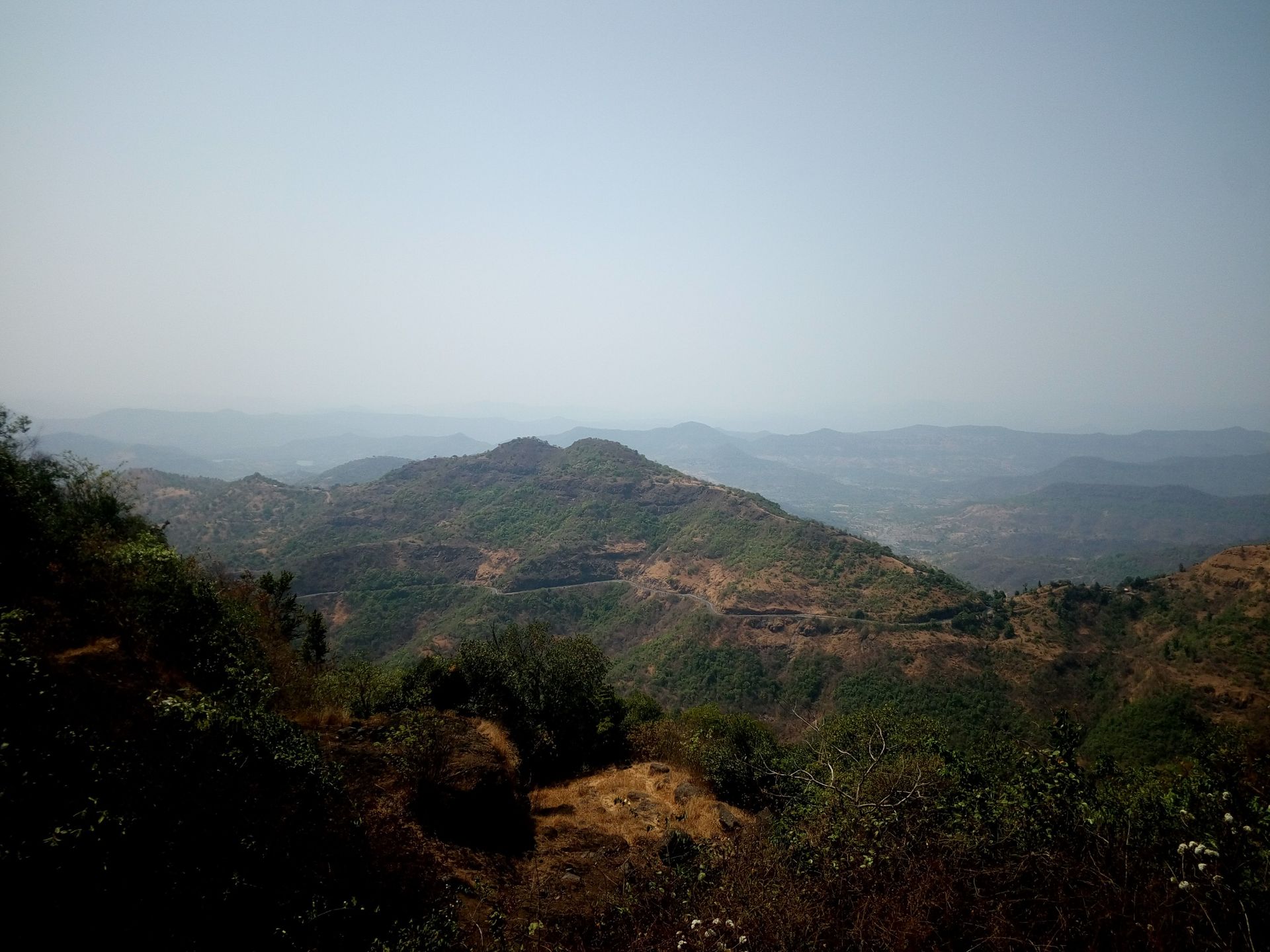
Mahabaleshwar is a high-altitude hill station at an elevation of 1,353 metres on an expansive plateau ridge of the Sahyadri mountain range in Satara district. Enveloped by dense evergreen forests, steep river canyons, and agricultural terraced fields, it stands as the highest and most expansive mountain resort in Maharashtra. The town features an old-world colonial character, distinct multi-tiered valley viewing points like Arthur's Seat, and the scenic artificial Venna Lake. The surrounding fertile soils are internationally famous for high-yield commercial fruit farming, producing nearly 85 percent of the country's strawberries.
Patnitop is a plateau at 2,024 metres above the Chenab on the Jammu–Srinagar highway, and almost everyone who stops there was on the way somewhere else. As a stop it works well. Deodar forest, open meadows and easy walking — this is not a trekking destination and does not pretend to be. The Skyview gondola at Sanasar runs 2.8 kilometres across the gorge and is the one thing here worth a detour on its own. Snow falls for a few weeks in January and February and the place fills up for it. The rest of winter it is cold and empty. March to June and September to November. Avoid the monsoon, when the highway below is prone to landslides and closures.
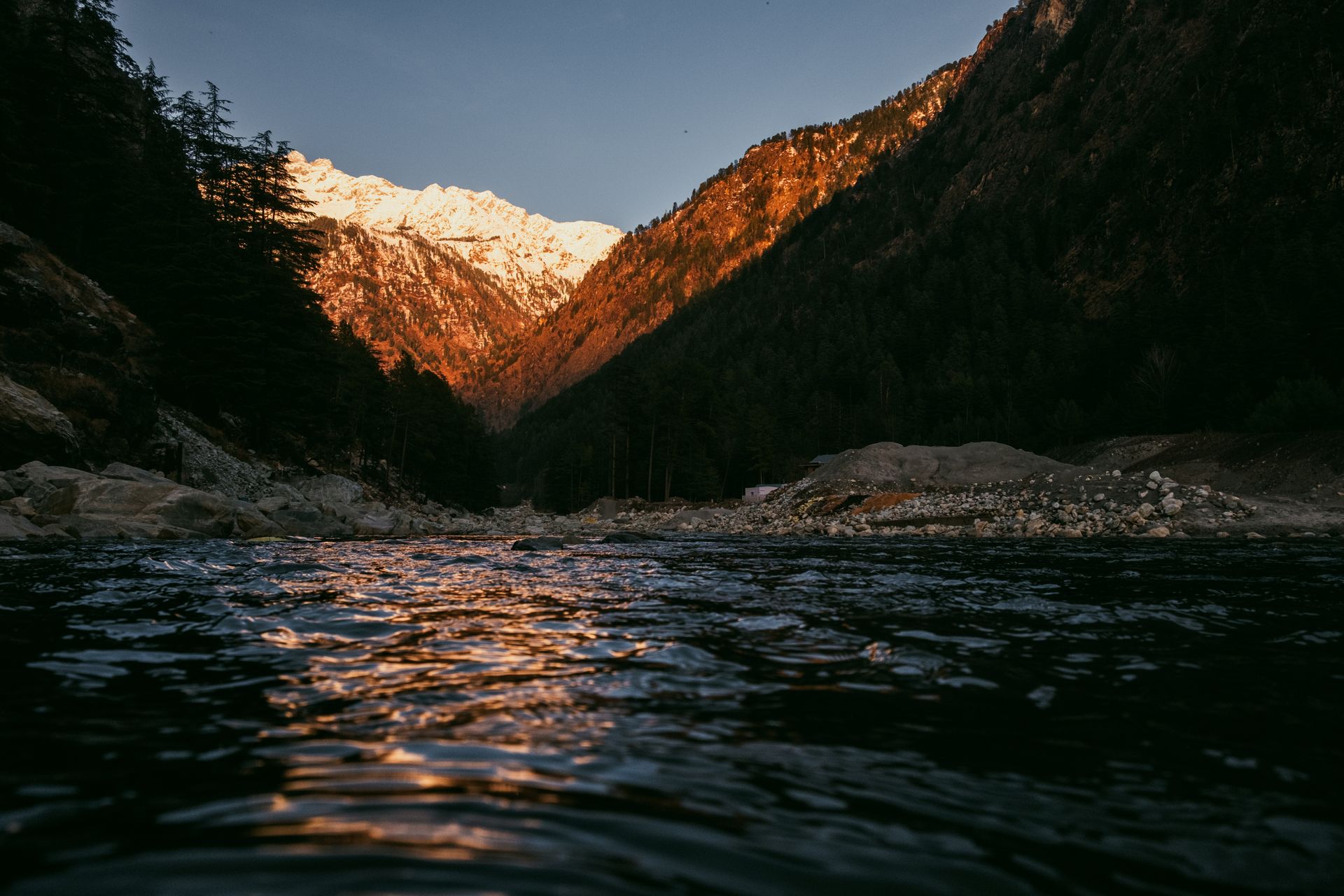
Kasol is a small riverside village in the Parvati Valley of Himachal Pradesh that has become the unofficial backpacking capital of North India. Set along the gushing Parvati River and ringed by pine-clad slopes, it draws a young, international crowd with its laid-back cafe culture, Israeli food, trekking trailheads and famously relaxed mountain vibe. Kasol functions as the base camp for the wider Parvati Valley circuit, with treks fanning out to Kheerganga, Tosh, Malana and Chalal. The main market is packed with cafes serving shakshuka and falafel, music hostels, gear-rental shops and bonfire-lit guesthouses.

Madhya Pradesh
Pachmarhi is Madhya Pradesh's only hill station, a green plateau in the Satpura range dotted with waterfalls, caves, viewpoints and ancient rock-shelter paintings, set within a UNESCO biosphere reserve.
Dalhousie is a peaceful colonial-era hill station built across five distinct hills of the Dhauladhar mountain range, sitting at an altitude of 1,970 metres. Established in the mid-19th century under the British Raj, the town has systematically preserved its old-world charm, characterized by wide pine-fringed walking loops, traditional stone mansions, and vintage Scottish architecture. Tourism in Dalhousie centers around the historic public squares of Gandhi Chowk and Subhash Chowk, linked by wooded walking paths like Garam Sadak. The town is the quiet alternative to the commercial hill stations, with views of the winding Ravi River and the distant snow-covered peaks of the inner Himalayas.
Nainital is a charming Kumaon hill station built around the emerald, eye-shaped Naini Lake. With its boating, the crowded Mall Road, cable car to Snow View and surrounding viewpoints, it is one of North India's most beloved lake resorts.
Kullu is the valley Manali sits at the top of, and the town itself is an administrative centre with a bus stand rather than a resort. Most people are through it in an hour. Two things are worth stopping for. Bijli Mahadev, on the ridge above, is an hour's climb from the road: a tall wooden staff there is said to draw lightning, and the lingam beneath it is broken by the strike and reset with butter. And the weaving — Kullu shawls carry a GI tag, and the co-operative showrooms on the highway sell at fixed prices, which the roadside stalls do not. The one time Kullu itself is the destination is Dussehra in October. It starts on the day the rest of India's ends, runs about a week, and brings the village deities down into the maidan on palanquins. Rafting on the Beas runs from Pirdi, roughly March to June and again once the monsoon has passed.
Shimla, the former summer capital of British India, is one of the country's most popular hill stations. Its colonial Mall Road, the Ridge, Christ Church and the UNESCO-listed Kalka-Shimla toy train make it a perennial favourite in the Himalayan foothills.
McLeodganj, the upper town of Dharamshala, is the home of the Dalai Lama and the Tibetan government-in-exile, and one of India's most beloved workation and backpacker bases. On a ridge of the Dhauladhar range, it blends Tibetan Buddhist culture, Himalayan trekking and a deeply traveller-friendly cafe and hostel scene. The town is a hub for meditation and yoga retreats, momos and global cafes, and treks to Triund and the Indrahar Pass. With its mix of monasteries, fast Wi-Fi cafes, long-stay hostels and a permanent international community, it has become a year-round magnet for digital nomads, solo travellers and spiritual seekers alike.
Meghalaya
Shillong, the capital of Meghalaya, is the cultural and musical heart of Northeast India — nicknamed the 'Scotland of the East' for its rolling hills and pine-clad landscape. With its cafe scene, live-music culture, waterfalls and easy access to the wonders of Meghalaya, it has become a top pick for young travellers heading east. The city blends Khasi culture, colonial-era charm and a famously music-loving population (it's often called India's rock capital) with a buzzing cafe and hostel scene. It works perfectly as a workation base and a launchpad for Cherrapunji, living root bridges and Dawki's crystal-clear river.
Lonavala and Khandala form a unified, highly popular twin-hill station resort enclave at an elevation of 622 metres on the sweeping Sahyadri ridges of the Western Ghats. Located along the high-traffic corridor linking Mumbai and Pune, the region is globally known for its dramatic mountain geography, comprising near-vertical cliff drops, deep green valleys, and seasonal waterfalls. During the monsoon season, the entire plateau transforms into a romantic landscape completely wrapped in thick, low-flying clouds and rolling mists. The towns act as a primary leisure playground for urban vacationers, with a distinct mixture of historic British sanatorium layouts, modern luxury villa developments, complex ancient Buddhist rock-cut caves like Karla and Bhaja, and local traditional confectionery markets.
Kerala
Munnar is a high-altitude hill station at about 1,600 metres in the Western Ghats of Idukki district. Positioned at the scenic confluence of three mountain streams (Mudrapuzha, Nallathanni, and Kundala), the region is visually dominated by an uninterrupted, rolling green carpet of commercial organic tea plantations. The town and its surrounding valleys feature landscape contours lined with dense shola forests, aromatic spice farms, and high-altitude mist-covered grass hills. The commercial core functions as a gateway base for exploring deep wildlife corridors, including the protected cliffs of Eravikulam National Park and the towering peak of Anamudi, the highest summit in South India.