Browse by place
Browse by theme
Popular themes
Travel mood
Culinary capitals & street eats
36 places
Kerala
Guruvayur is a temple town in Kerala centred on the revered Sri Krishna (Guruvayurappan) Temple, often called the Dwarka of the South. The deity is worshipped as the young Krishna, and the shrine is one of the busiest Vaishnava pilgrimage centres in India, famed for its strict rituals, temple elephants and devotional music.
Gujarat
Resting right at the base of the sacred, volcanic Girnar hills, Junagadh is an ancient city whose name means 'Old Fort'. It features a diverse mix of ancient Buddhist rock edicts, medieval fort structures, and flamboyant 19th-century royal mausoleums, capturing a unique historical footprint within Saurashtra.
Bhuj is the historic capital of the Kutch district. Highly resilient following major earthquake eras, it is a maze of royal palaces, historic stepwells, and ancient markets, serving as the ultimate jumping-off point into the vast salt flats of the Great Rann of Kutch.
Dwarka is an ancient holy city resting on the westernmost tip of the Saurashtra peninsula. Revered as the legendary ocean kingdom of Lord Krishna, it forms a core part of the highly sacred Chardham pilgrimage circuit. It draws millions of continuous domestic and international travelers year-round to experience its historic temples and newly developed infrastructure marvels.
Somnath is an ancient coastal spiritual town known for the legendary Somnath Temple, revered as the very first among the twelve sacred Jyotirlinga shrines of Lord Shiva. Rebuilt meticulously several times across history following various destruction eras, the shore temple stands as an eternal beacon of resilience directly over the crashing waves of the Arabian Sea.
Ahmedabad's old city is a UNESCO World Heritage Site and the way to see it is a walk that starts at seven in the morning. The heritage walk from Swaminarayan temple to Jama Masjid takes a couple of hours and goes through the pols — dense residential quarters, each historically one community, with shared courtyards, carved wooden facades and bird feeders on tall poles. Doing this without a guide means missing all of it, because the pols look like ordinary lanes from outside. The Sidi Saiyyed mosque's stone jaali — the tree-of-life screen — is the image the city is known for, and it takes five minutes to see. The Adalaj stepwell, half an hour out, takes longer and gives more. Gandhi's Sabarmati Ashram is plain and unglamorous by design. Sit in it for a while rather than walking through. Gujarat is a dry state; alcohol is not served. The city eats vegetarian extremely well as a result — the Gujarati thali here is one of India's great meals. November to February. April and May routinely pass forty-two degrees.
Kevadia, now officially Ekta Nagar, is home to the Statue of Unity — at 182 metres, the tallest statue in the world — on the banks of the Narmada River. Once a quiet settlement, it has been developed into a large tourism hub with theme gardens, a safari park, viewpoints and adventure activities.
Maharashtra
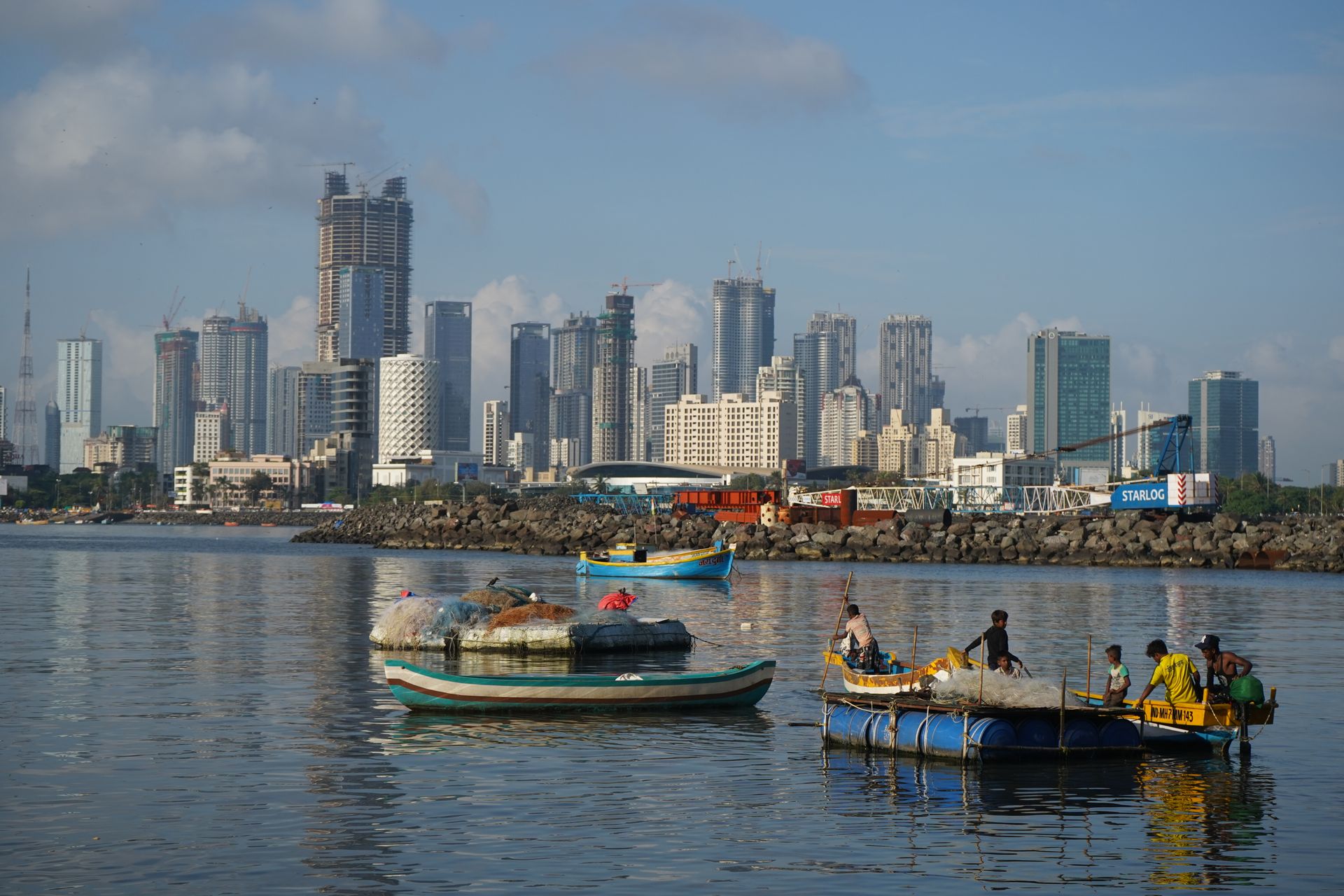
Mumbai runs on its trains, and the fastest way to stop being a tourist here is to work out which line you need and get on it. The stretch people photograph without knowing what it is runs from Chhatrapati Shivaji Terminus down to Oval Maidan: Victorian Gothic on one side, Art Deco on the other, facing each other across the park. It is a UNESCO World Heritage Site and it is best walked at seven in the morning when the light is low and the traffic has not started. Skip the crush at the Gateway of India unless you are taking the ferry to Elephanta, which is worth a half day for the rock-cut Shiva in cave one. Instead go to Banganga tank in Walkeshwar — a stepped water tank in the middle of the richest neighbourhood in India, almost always empty of visitors. Monsoon, June to September, is when the city is most itself and most difficult. The rain is genuinely heavy, the trains flood, and locals will tell you both that it is beautiful and that they dread it. Both are true. November to February is the easy window.
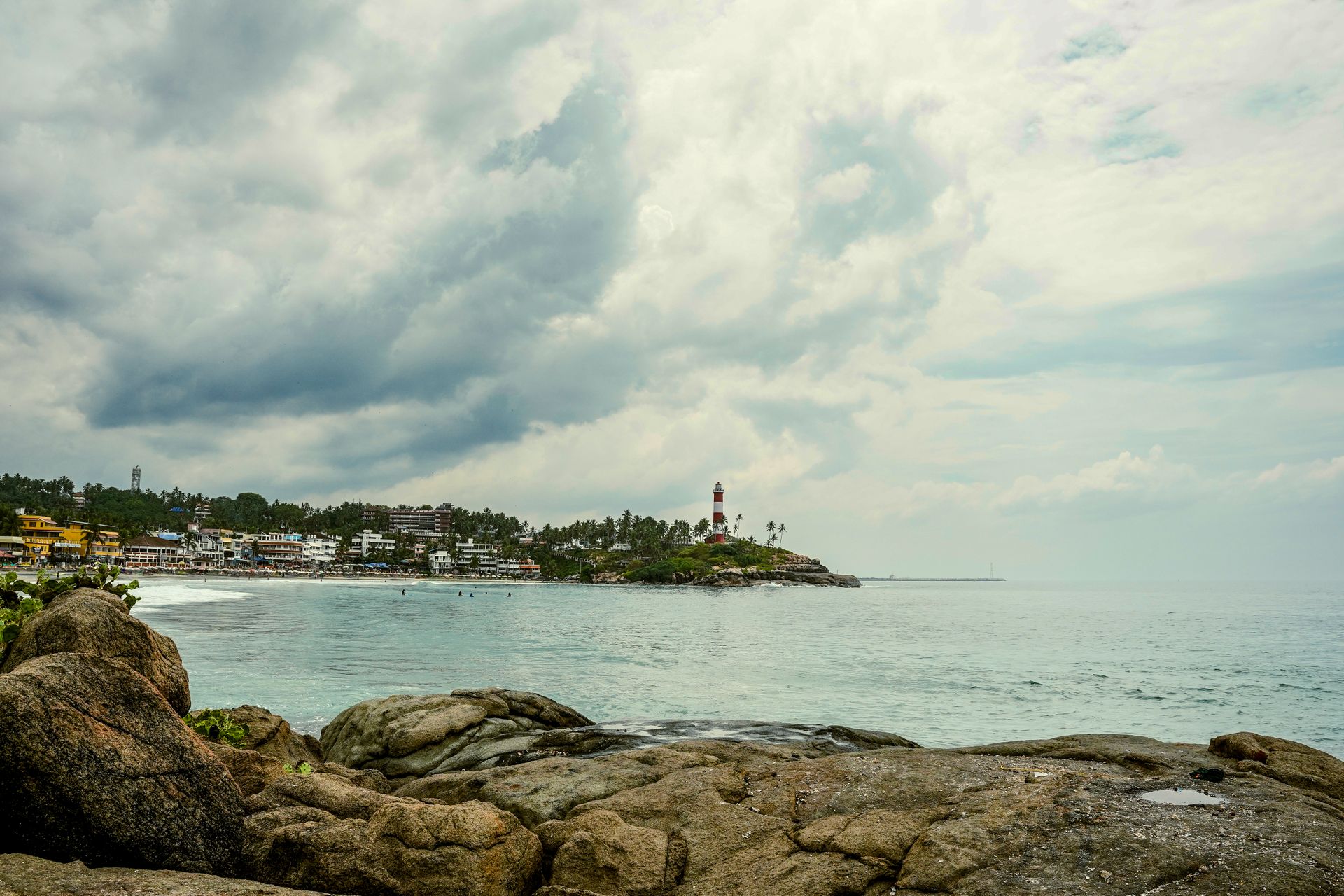
Kerala's most famous beach resort, Kovalam is known for its crescent Lighthouse Beach, ayurvedic spas, seafood shacks and gentle swimming bays near Trivandrum. The best months to visit are roughly November to February, when seas are calm and skies are clear; the monsoon (June to September) brings rough water and many beach shacks shut. Plan water sports and swimming for the dry winter window.
Madhya Pradesh
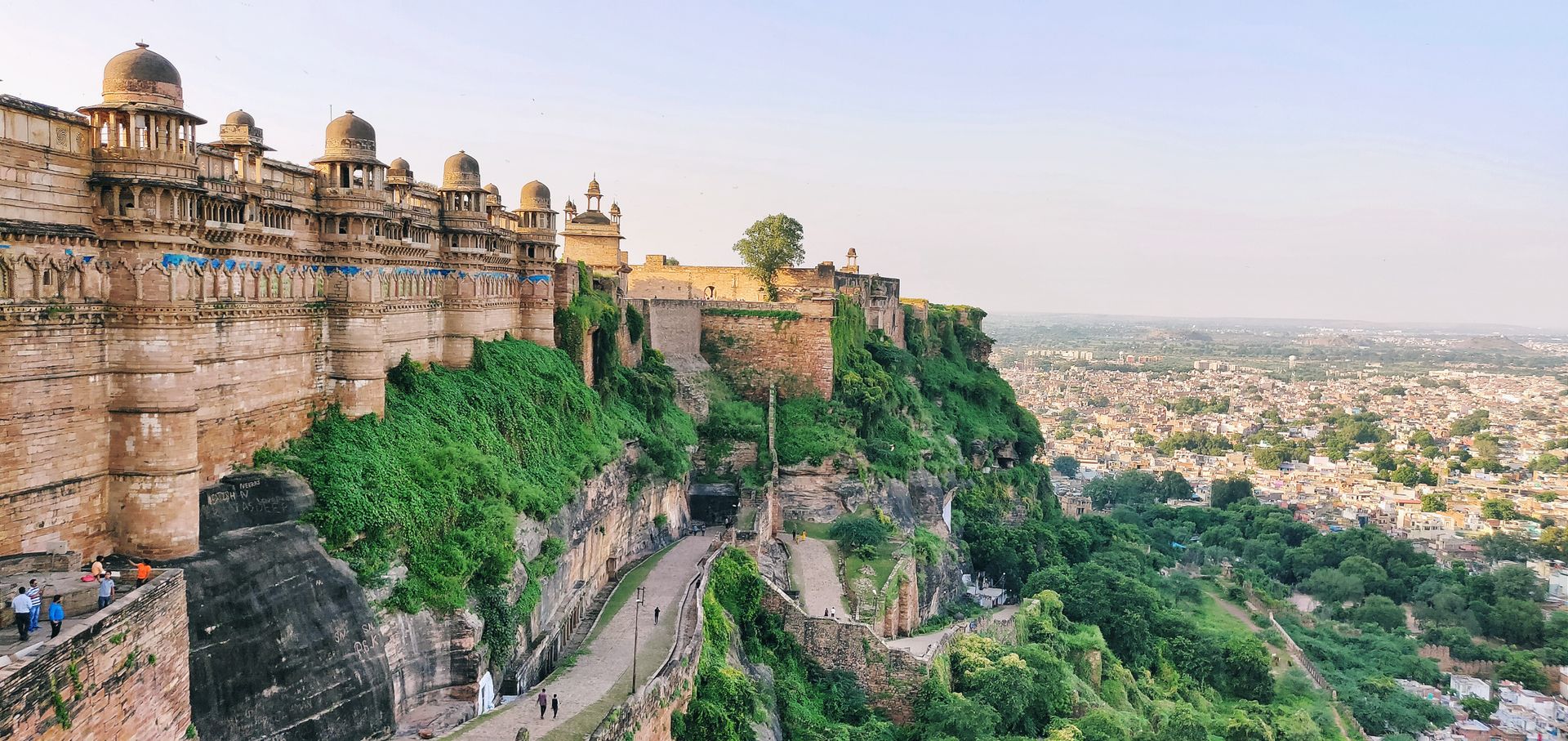
Gwalior's fort sits on a sandstone plateau above the city and is one of the least visited great forts in India, which is most of its appeal. The approach past the Siddhachal Jain caves is what to slow down for: colossal Jain figures cut directly into the cliff face on the way up, the largest of them close to twenty metres. Then Man Singh Palace at the top, with turquoise tilework of ducks and elephants on the outer wall, and interiors you can walk through without a crowd. The Sas Bahu temples on the eastern edge are eleventh century and finely carved. Teli ka Mandir, unusually tall and shaped like nothing else on the site, is worth walking to. Gwalior is also a music city — the Gwalior gharana is one of the oldest surviving Hindustani classical traditions, and Tansen is buried here. The Tansen festival in December is when you would hear it properly. October to March. The fort is a long exposed climb with very little shade, so this matters more than usual.
Nagaland
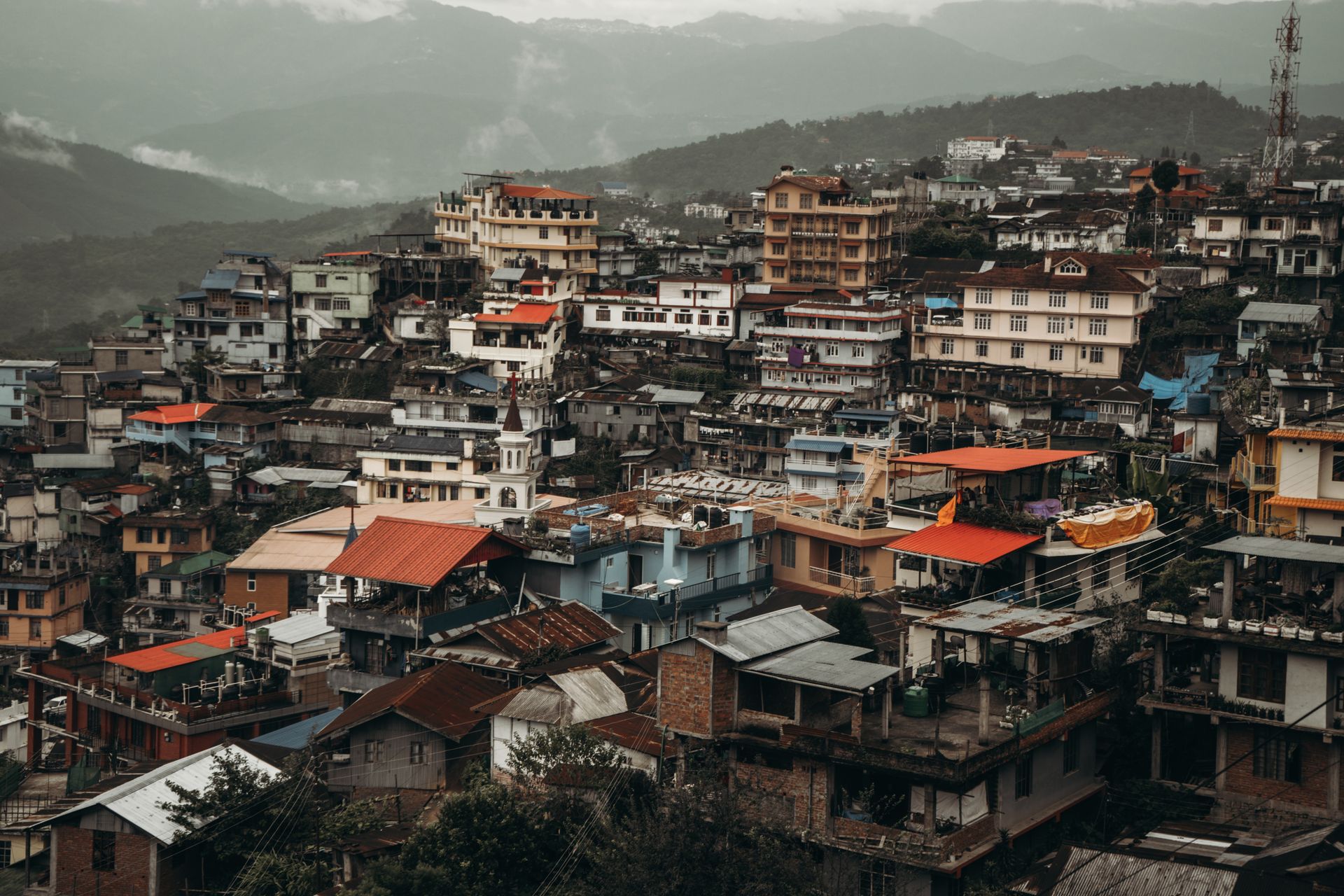
Kohima's war cemetery is the most affecting war memorial in India, and most people who come for the Hornbill Festival never walk up to it. In 1944 the Japanese advance into India was stopped here, on a tennis court on the ridge above town. The court's markings are still laid out in stone among the graves. The inscription at the base — the one about telling those at home that we gave our today for their tomorrow — is worth the climb on its own. The Hornbill Festival runs the first ten days of December at Kisama, a purpose-built village of tribal morungs where all the Naga groups perform. It is worth seeing and it is also a festival built for visitors; if you want the everyday version of Naga life you will find more of it in the villages around Khonoma, an hour away, than at Kisama. Nagaland requires an Inner Line Permit for Indian nationals; foreign nationals need to register on arrival. Sort it in advance. October to May is dry. December means Hornbill, full hotels and prices to match — book months ahead or stay in Dimapur and travel up.
The Ellora Caves are a group of 34 rock-cut shrines carved into the basalt cliffs of the Charanandri Hills near Aurangabad. Stretching over two kilometres, they bring together Hindu, Buddhist and Jain temples cut between the 6th and 10th centuries CE — a rare place where all three faiths sit side by side. The centrepiece is Cave 16, the Kailasa Temple: the largest monolithic rock-cut structure in the world, carved top-down from a single cliff. Hundreds of thousands of tonnes of basalt were removed to reveal a multi-storey temple with carved pillars, life-size elephants and detailed galleries.
Rajasthan
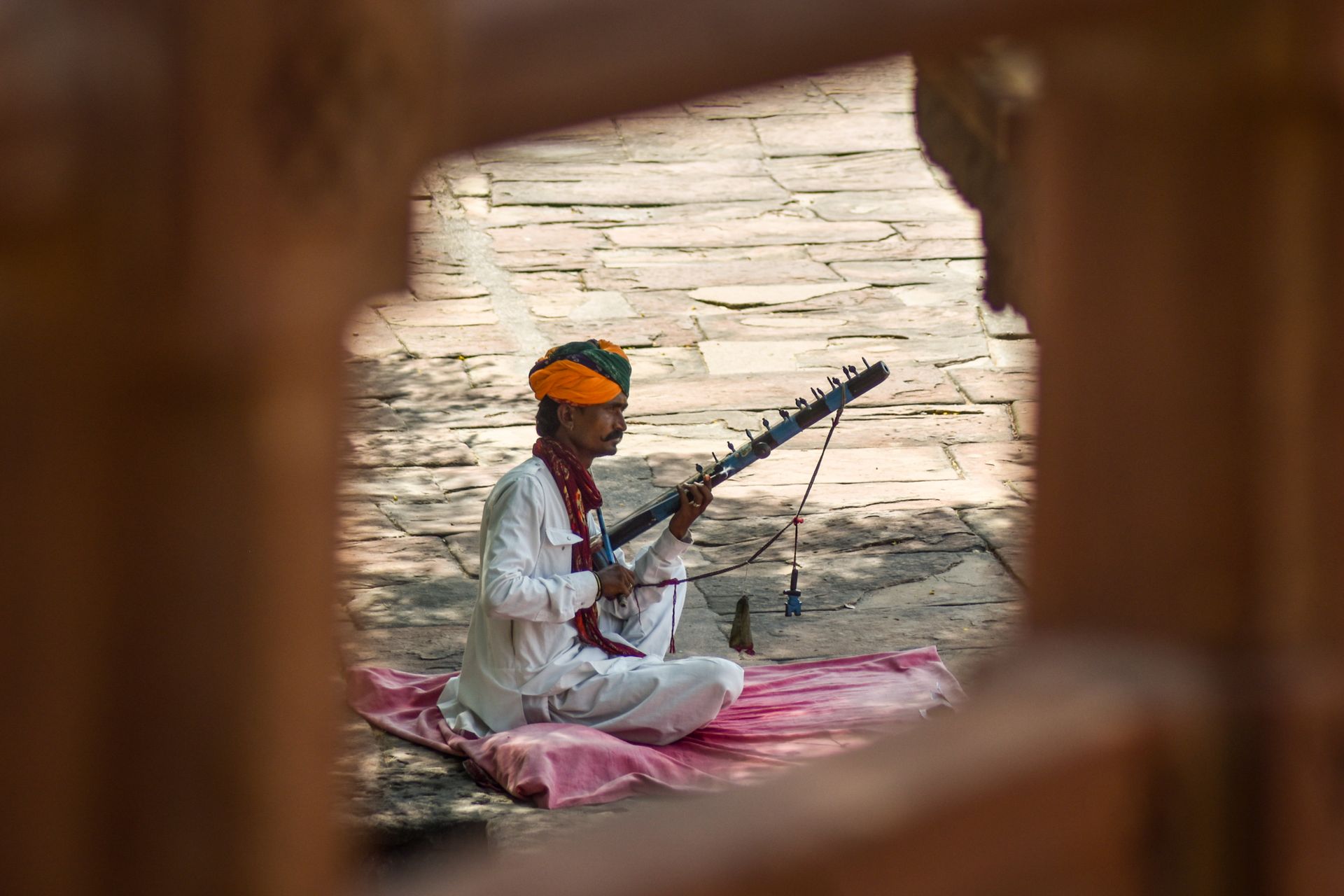
Mehrangarh is the best fort in India, and if you only climb one in Rajasthan it should be this one. It sits on a cliff a hundred and twenty metres above the city with no gap between rock and wall — the masonry simply continues the escarpment. The audio guide is one of the few in the country genuinely worth taking. Look for the handprints beside Loha Pol, left by royal widows on their way to the pyre. About the blue: people arrive expecting an entirely blue city and find a mostly ochre one. The blue is real but it is concentrated in the Brahmpuri quarter below the fort's north-east wall, and the way to see it is from the ramparts looking down, or by walking those specific lanes. Anywhere else in Jodhpur you will wonder what you were promised. Toorji ka Jhalra, the restored stepwell in the old city, is where everyone goes at sunset now and it has the cafés to prove it. Rao Jodha desert rock park, just outside the fort gates, has almost nobody in it and is the better hour. October to early March. By May the afternoon heat here is not a discomfort, it is a hazard.
Jammu & Kashmir
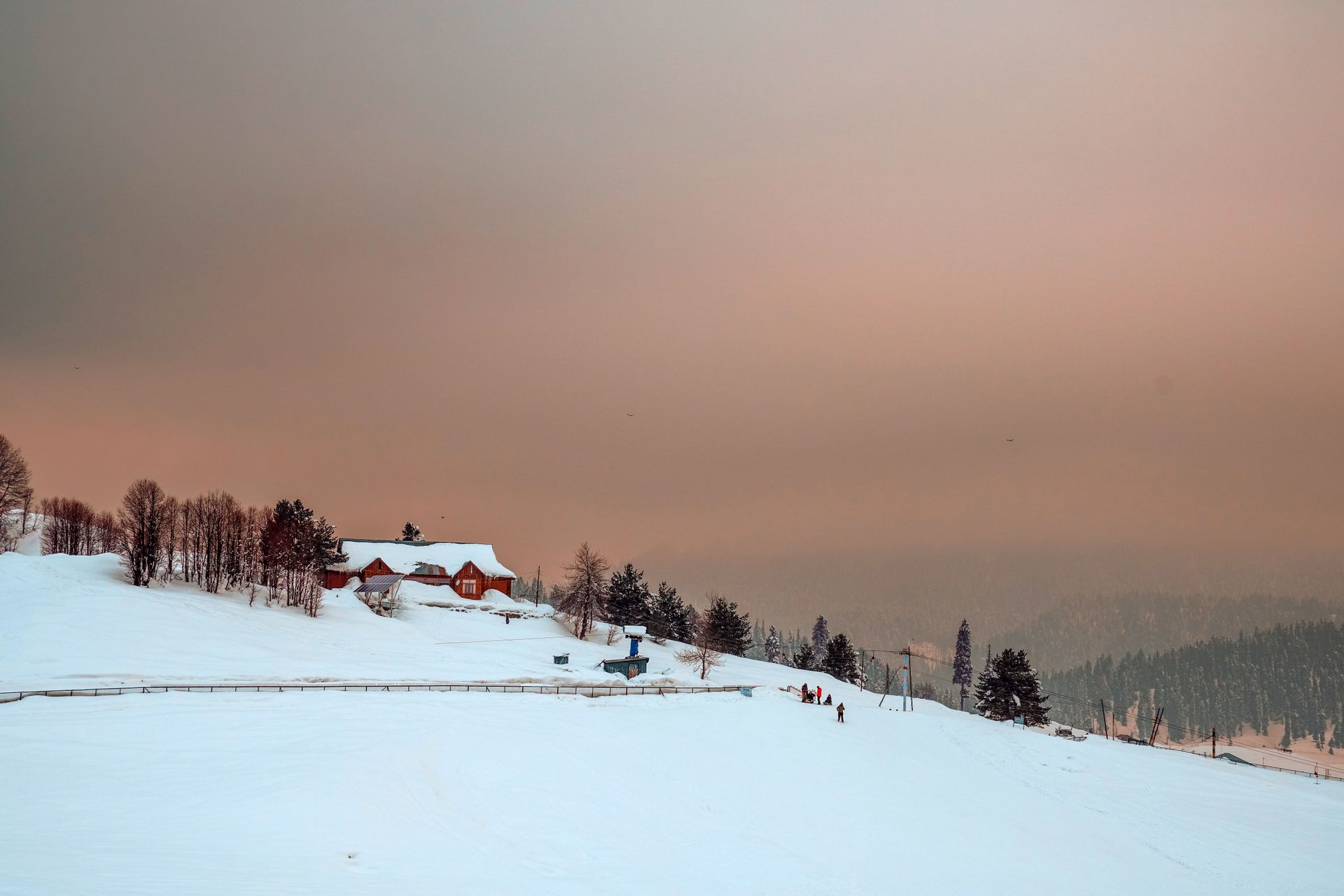
Gulmarg is a bowl of meadow at 2,650 metres in the Pir Panjal, and it does two completely different jobs depending on the month. December to March it is the only serious ski resort in India. The Apharwat face has real off-piste terrain and the snow is dry enough to justify the trip. May to September the snow is gone and it is a meadow full of wildflowers with a golf course on it, one of the highest anywhere. The gondola climbs in two stages. The first, to Kongdoori, almost always runs. The second, up to just under four thousand metres on Apharwat, is frequently closed for wind and its tickets are capped daily — buy both stages early or accept that you may only get the first. If you are skiing off-piste, a guide is not optional. This is avalanche terrain and it has killed people.
Karnataka
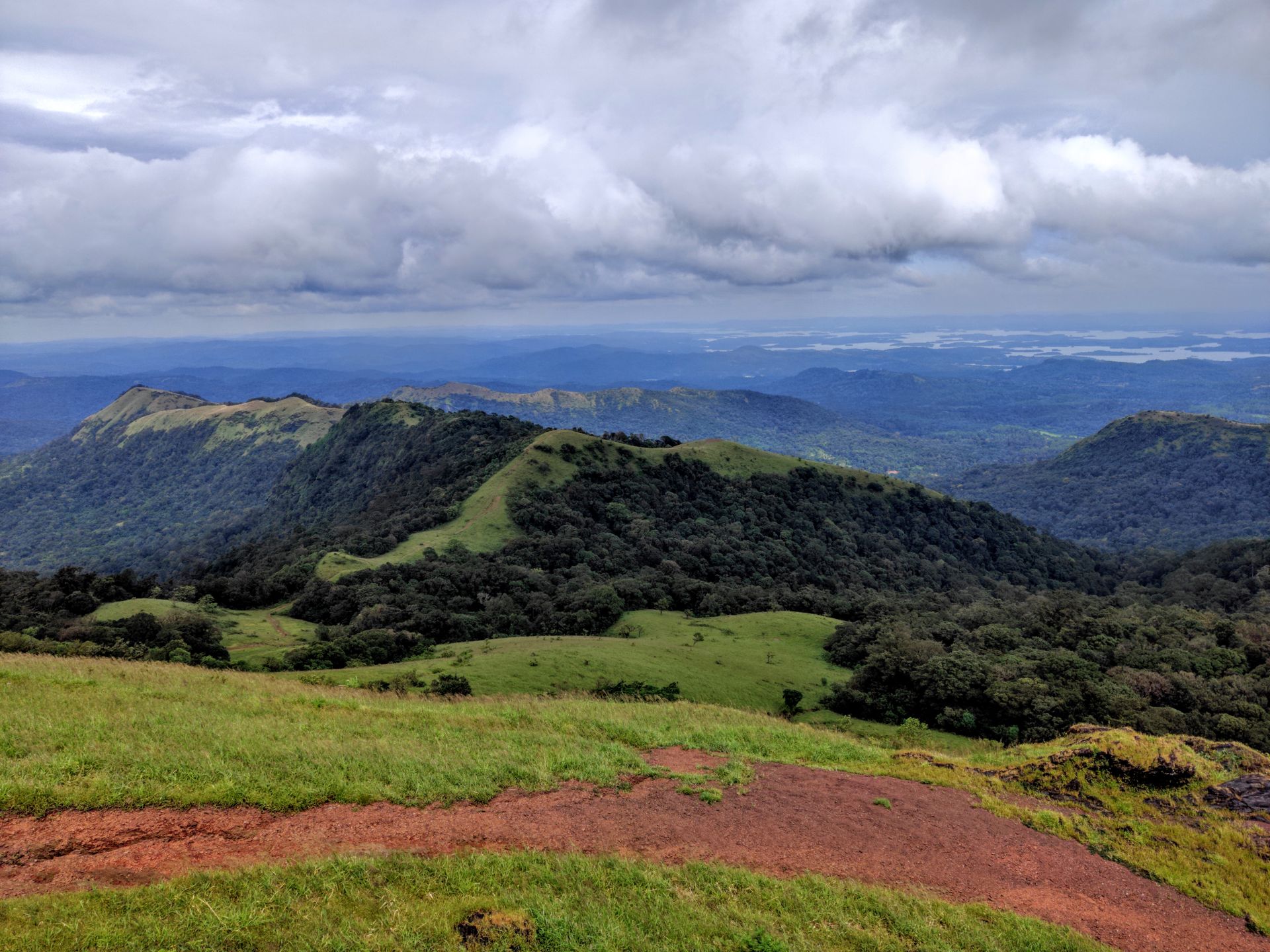
Chikmagalur is the coffee heartland of Karnataka, a lush hill district in the Western Ghats where rolling estates, misty peaks and waterfalls draw a steady stream of young travellers from Bengaluru and beyond. It is a top weekend and workation pick for those wanting estate-stays, treks and great coffee within easy reach of a big city. Home to Mullayanagiri (Karnataka's highest peak), Baba Budangiri and dense shola forests, Chikmagalur blends gentle adventure with slow plantation living. Coffee homestays, trekking trails and cafe culture make it a favourite for couples, friend groups and remote workers.
The Ajanta Caves are a world-famous group of 30 rock-cut Buddhist cave monuments hidden deep inside a scenic horseshoe-shaped mountain gorge in Aurangabad district. Hand-carved meticulously out of vertical basalt cliff walls between the 2nd century BCE and 5th century CE, the site functioned as a peaceful monsoon sanctuary for monastic scholars. The caves were lost completely to human memory for centuries, completely swallowed by dense wild jungle foliage until their accidental rediscovery in 1819. The unique cave interiors are globally known for hosting the finest surviving masterpieces of ancient classical Indian wall fresco art. The paintings utilize distinct natural mineral pigments to portray complex Jataka tales and celestial figures with incredible emotional depth.
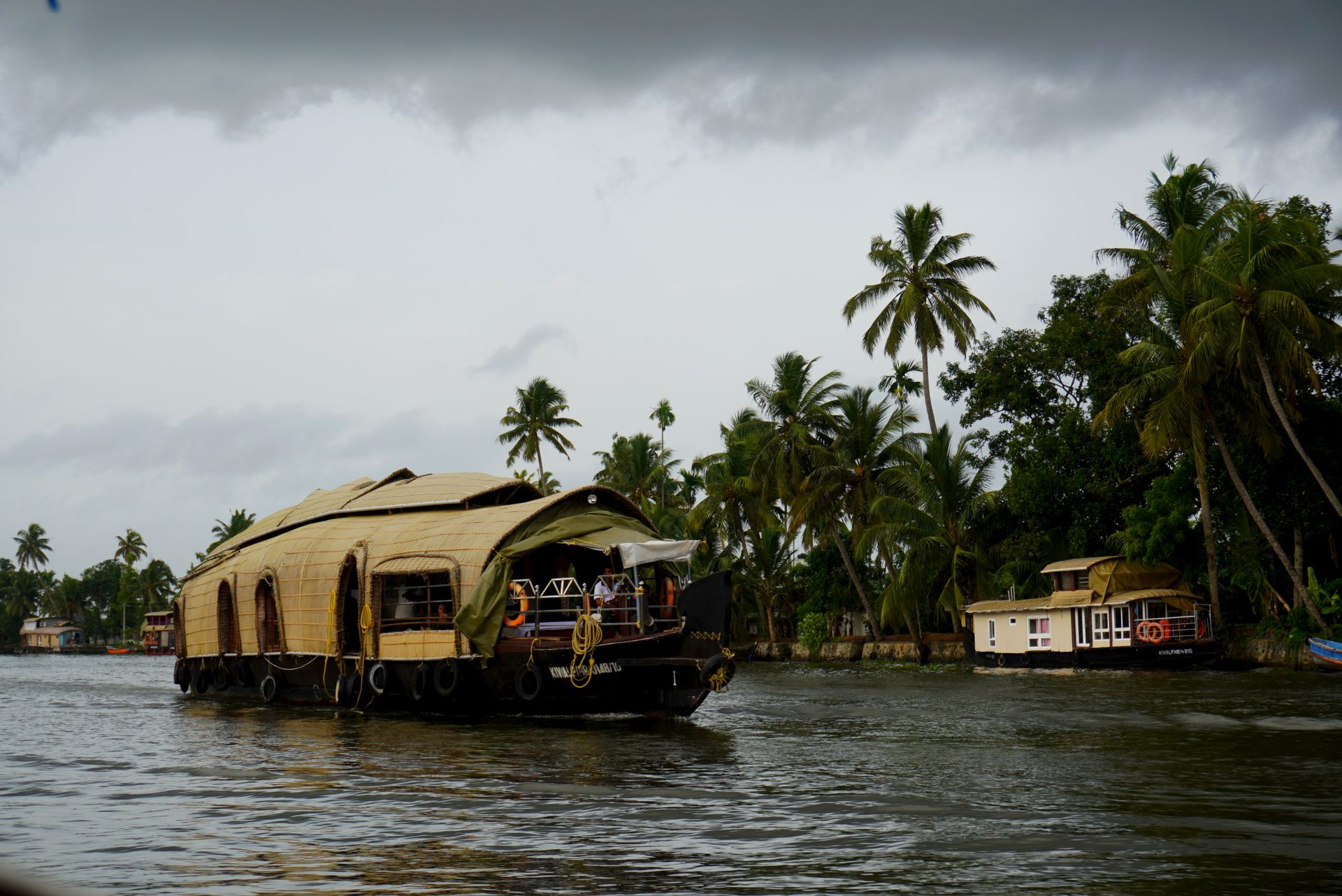
The mistake in Alleppey is the day boat. A houseboat only becomes worth it once the day-trippers have gone home and the water goes quiet. Book an overnight, and if you can, book a smaller boat that can leave the main channel. The big two-storey ones are restricted to the wide canals where they queue up alongside each other; the small ones get into the narrow waterways between the paddy fields, which is where the backwaters stop being a boat trip and start being a place where people live. Better still, spend a morning on a public ferry. The government service from Alleppey to Kottayam costs almost nothing, takes a couple of hours, stops at village jetties, and carries schoolchildren and shopping. You will see more of the actual backwaters from its deck than from most houseboats. The paddy fields here are farmed below sea level, kept dry by dykes and pumps — Kuttanad is one of the few places in the world where that is done. October to March. The monsoon has its own case, and the snake boat races in the wet season are worth planning around, but the water is high and the light is grey.
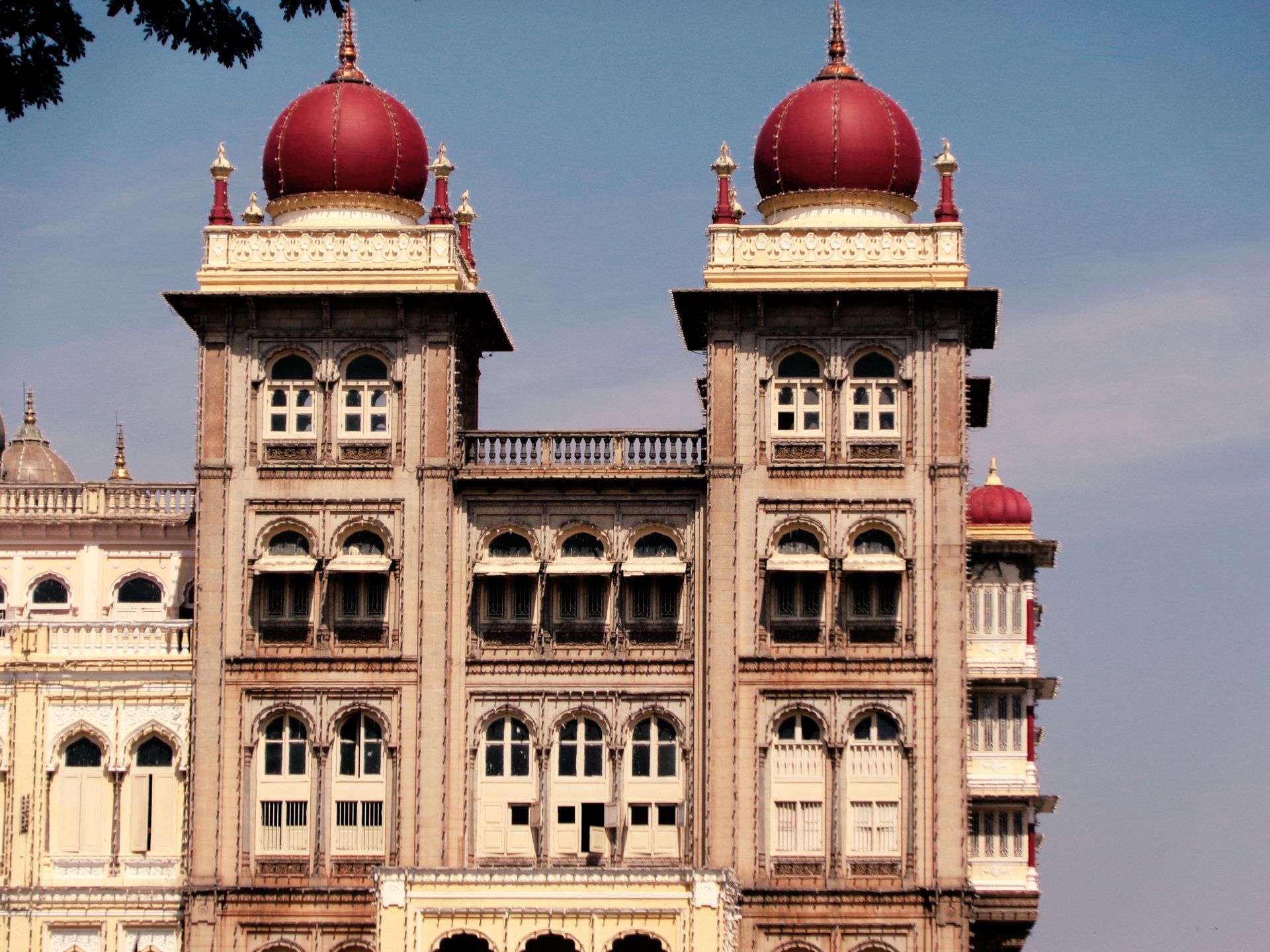
Mysuru is a small, orderly, easy city, and it has the one palace in India that is worth seeing lit up. Mysore Palace switches its exterior lights on for a short window on Sunday evenings and through Dasara — around a hundred thousand bulbs on the outline of the building. Check the current timings locally, because they change, and be there before it happens rather than after. Inside, the Durbar Hall and the marriage pavilion are the rooms to slow down in. Photography is not allowed in the interior and shoes come off at the entrance. Chamundi Hill above the city is the standard sunset trip. The steps up — around a thousand of them — are a better way to arrive than the road, and the Nandi bull two-thirds of the way up is the reason to walk rather than drive. Devaraja Market is the working market: flowers by the kilo, sandalwood, bananas in a dozen varieties. Go in the morning while it is being restocked. Dasara in September or October is the city at full volume, with a caparisoned elephant procession. It is also when every room is booked. October to February otherwise.
Goa
The northernmost backpacker hub of Goa, Arambol is loved for its bohemian community, drum circles, paragliding, a sweet-water lagoon and live-music cafes. The best months to visit are roughly November to February, when seas are calm and skies are clear; the monsoon (June to September) brings rough water and many beach shacks shut. Plan water sports and swimming for the dry winter window.
Uttar Pradesh
Lucknow is a food city that happens to have beautiful ruins, and treating it the other way round is how visitors leave underwhelmed. Eat first. The galouti kebab was supposedly made for a Nawab who had lost his teeth, and the good places in Chowk have been doing one thing for four or five generations. Sheermal, nihari with kulcha in the early morning, and the Awadhi biryani which is milder and more perfumed than Hyderabad's — that is the argument between the two cities and you should form your own view. The Bara Imambara's bhulbhulaiya is a genuine labyrinth in the walls of the building and you do need the official guide, not because of the ticket but because people get properly lost. The Residency, shelled during the 1857 siege and left exactly as it was, is the most atmospheric place in the city and usually empty. Chikan embroidery is from here. Buy it in Chowk, not at the airport. October to March. May and June are brutally hot.
Udaipur, the 'City of Lakes', sits among the green Aravalli Hills, built around a chain of interconnected lakes created over the centuries for water and defence. The largest, Lake Pichola, is the visual centre of the city, its shores lined with white marble palaces, bathing ghats and lakefront hotels. The grandest is the City Palace, which is really eleven palaces built against each other over four centuries by successive maharanas — which is why the inside is a maze of levels and courtyards rather than a single plan. Udaipur has a noticeably slower pace than Rajasthan's other big cities. In bad drought years Pichola has emptied completely, so if the lake is the reason you are coming, check before you book.
Uttarakhand
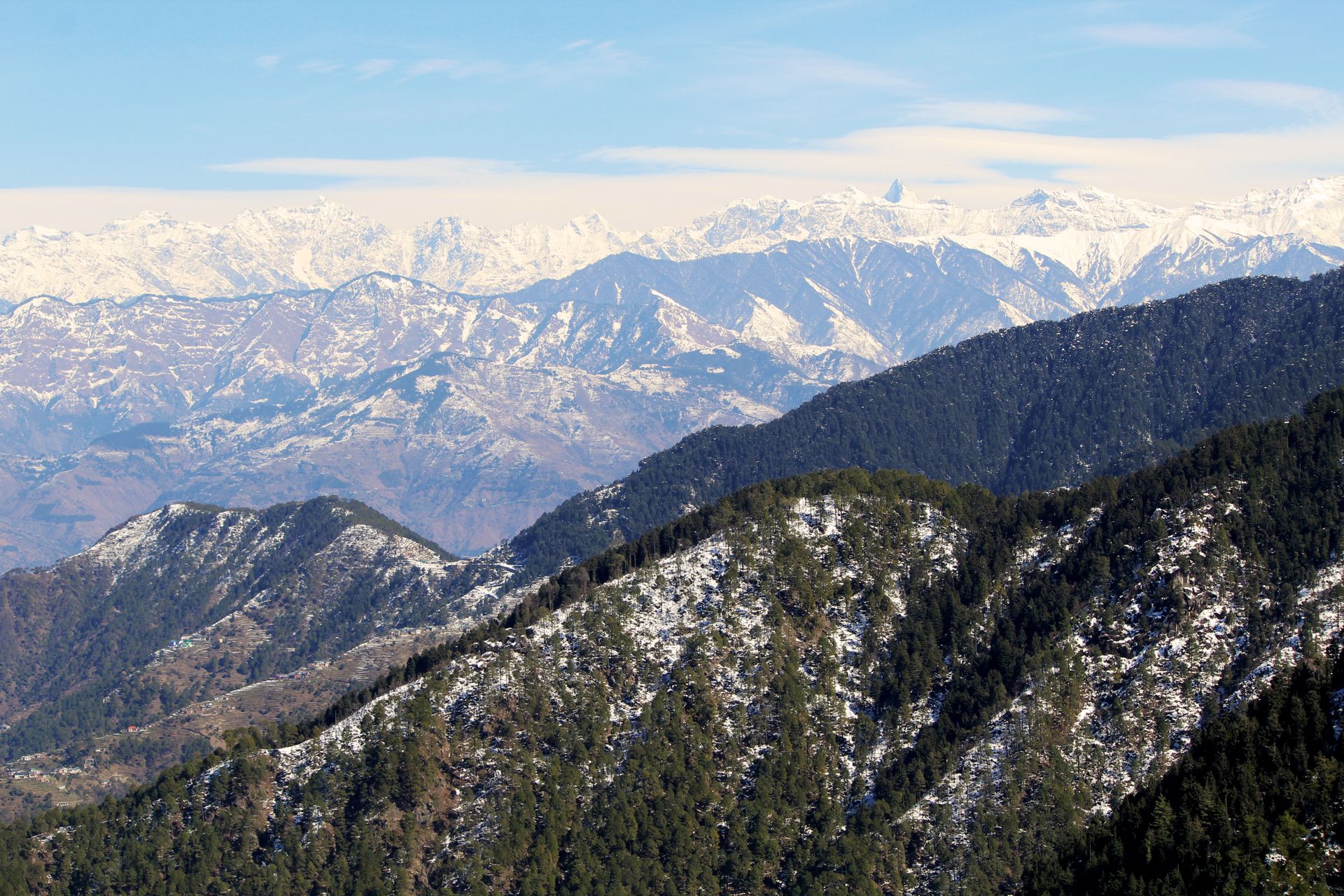
Kausani is a quiet Kumaon hill station famous for its uninterrupted 300-km panorama of the Himalayan peaks — including Trishul, Nanda Devi and Panchachuli. Mahatma Gandhi called it the 'Switzerland of India', and it has since become a peaceful retreat for travellers seeking views, tea gardens and stillness over nightlife. With its terraced tea estates, pine forests and sunrise viewpoints, Kausani has grown popular with couples, families and remote workers wanting a calm, scenic base. It pairs well with nearby Baijnath temples and the Kumaon trekking circuit.
Puducherry
Pondicherry's French quarter is about six streets deep, and knowing that in advance saves the disappointment of expecting a French town. What is there is genuinely good: ochre walls, bougainvillea, shuttered colonial houses, and a seafront promenade that closes to traffic in the evening and fills with the whole town walking. The Tamil quarter across the canal is larger, older and rarely visited, and the two architectural traditions meeting along that line is the actual interest of the place. The beach in Pondicherry town is rock, not sand. People arrive expecting to swim and cannot. For sand you go north to Auroville's beaches or south towards Chunnambar. Auroville, twenty minutes out, is a serious experiment in communal living rather than an attraction. Visitors can see the Matrimandir from a viewing point; going inside needs booking days ahead and is not casual. October to March. April and May are hot and humid, and the north-east monsoon in October and November brings real rain.
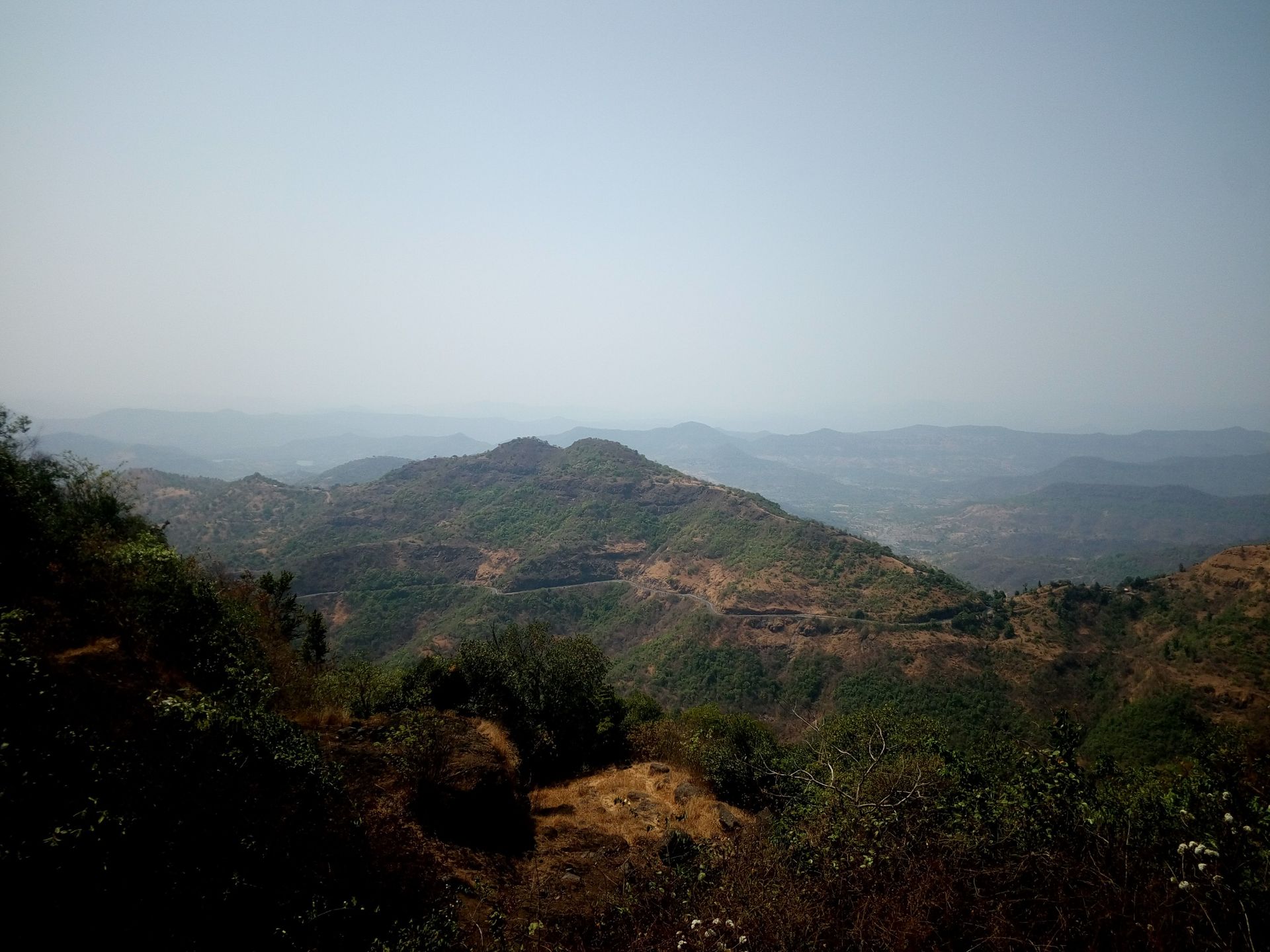
Mahabaleshwar is a high-altitude hill station at an elevation of 1,353 metres on an expansive plateau ridge of the Sahyadri mountain range in Satara district. Enveloped by dense evergreen forests, steep river canyons, and agricultural terraced fields, it stands as the highest and most expansive mountain resort in Maharashtra. The town features an old-world colonial character, distinct multi-tiered valley viewing points like Arthur's Seat, and the scenic artificial Venna Lake. The surrounding fertile soils are internationally famous for high-yield commercial fruit farming, producing nearly 85 percent of the country's strawberries.
Palolem is a crescent-shaped natural bay located in the Canacona region of South Goa, known for calm water, dramatic rocky headlands, and a dense fringe of leaning coconut palms, it presents a relaxed, alternative to the commercialized hubs of the north. The unique topology of the bay ensures minimal ocean currents. The shoreline features temporary eco-friendly wooden stilt cottages and slow-paced beach shacks that are dismantled entirely before the monsoon, preserving a village-like coastal environment.
Odisha
Puri is an ancient holy city on the Bay of Bengal coast in Odisha, serving as one of the four primary sacred nodes in the traditional Char Dham pilgrimage circuit. The spiritual and civilizational identity of the metropolis revolves entirely around the monumental, 12th-century Shree Jagannath Temple, housing the unique wooden manifestations of Lord Jagannath, Balabhadra, and Goddess Subhadra. The city's layout presents a dynamic transition from the deep devotional crowd corridors of the Grand Road to the wide, sandy shores of Puri Beach. Puri operates on a continuous pulse governed by ancient temple rituals, transforming into a massive global phenomenon during mid-summer when it hosts the historic Rath Yatra chariot festival.
Pushkar is an ancient, sacred pilgrimage town curled peacefully around the perimeters of the natural, sacred Pushkar Lake. Flanked by the rugged hills of the Aravalli range near Ajmer, it ranks as one of the oldest living cities in India and a paramount spiritual core for Hindu theology. The town's unique identity is tied to hosting the rare 14th-century Jagatpita Brahma Mandir, one of the few temples dedicated to the Hindu Creator God. The landscape features 52 historic stone bathing ghats that step directly down into the clear waters, where pilgrims perform ritual cleansing dips among continuous chanting. The town transitions from a spiritual enclave into a massive cultural phenomenon during late autumn, when its outer desert fields host the world-famous Pushkar Camel Fair, attracting global communities.
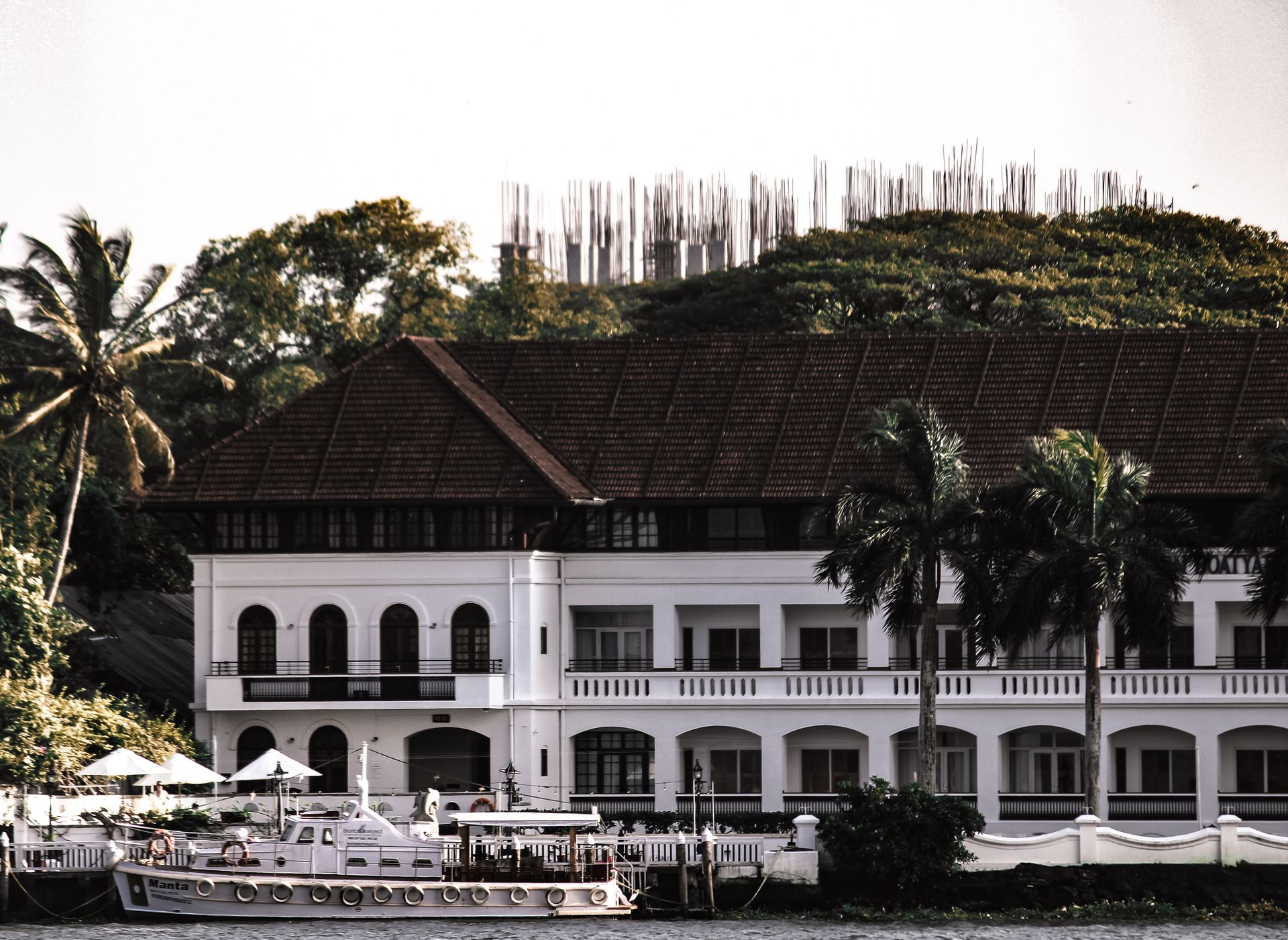
Fort Kochi is walkable, layered and unusually easy for a first trip to India — it is one of the few Indian towns where you can simply wander without a plan. The Chinese fishing nets on the waterfront are the postcard, and they are also mostly a photo stop now rather than a working fishery. Go anyway, at dusk, but do not expect a spectacle. Behind them, St Francis Church holds the spot where Vasco da Gama was buried before his remains went home, and the Paradesi Synagogue in Jew Town has a floor of hand-painted Chinese tiles, no two the same. Kathakali is the thing worth booking. The good venues start an hour early so you can watch the performers put the make-up on — that hour explains the art form far better than the performance does, and without it the show is opaque. Cross to Mattancherry for the spice godowns, where the smell of ginger and pepper in the streets is not a tourist experience, it is a working trade. October to March is dry and pleasant. April and May are humid and heavy. The monsoon is dramatic and the town keeps functioning through it.
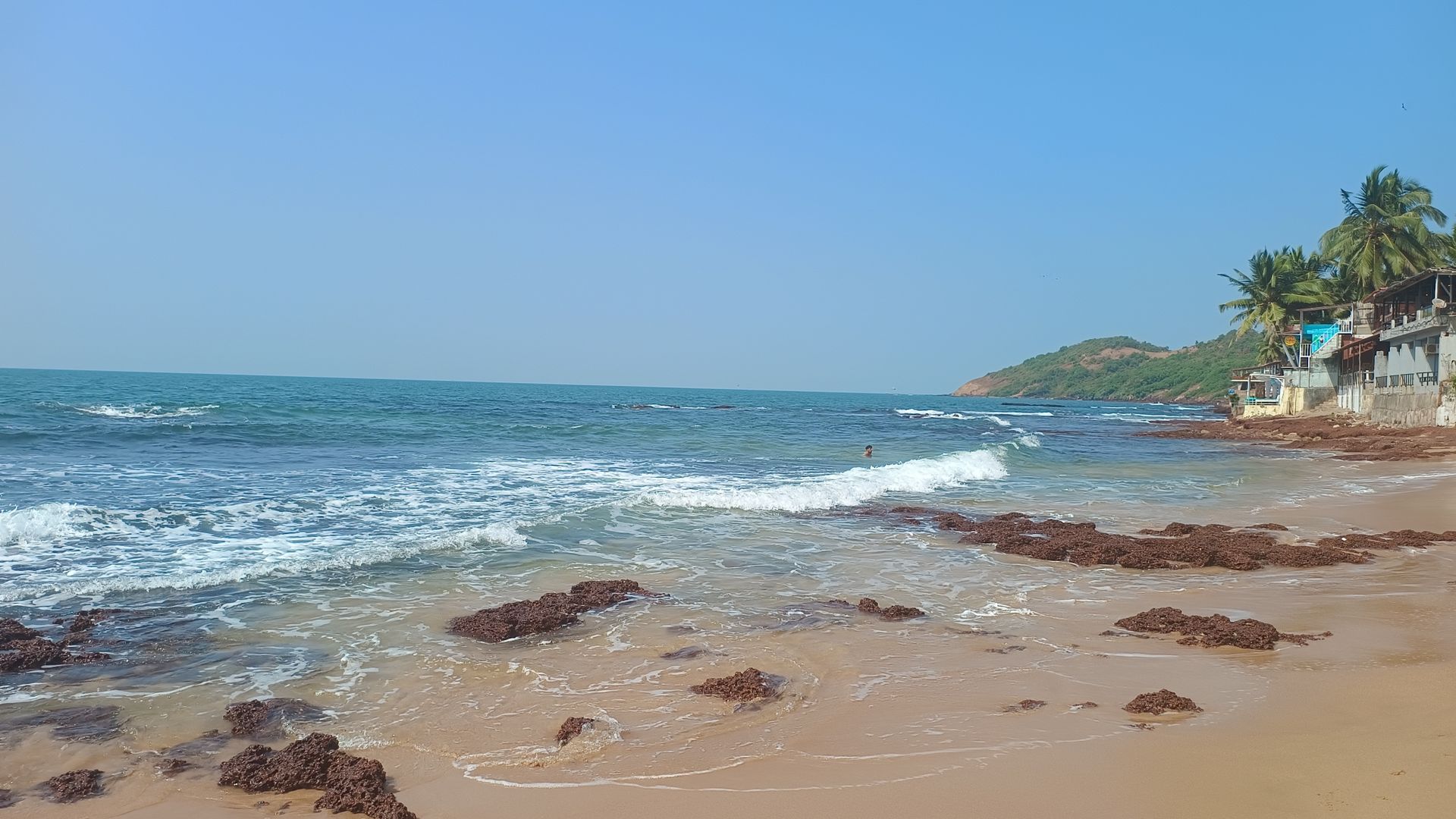
A North Goa icon of the hippie era, Anjuna is famous for its rocky-edged golden sands, the legendary Wednesday flea market, trance parties and cliffside cafes. The best months to visit are roughly November to February, when seas are calm and skies are clear; the monsoon (June to September) brings rough water and many beach shacks shut. Plan water sports and swimming for the dry winter window.
Fatehpur Sikri is a planned Mughal city and fort complex near Agra, built entirely of red sandstone, that served briefly as Emperor Akbar's imperial capital. It is a UNESCO World Heritage Site.
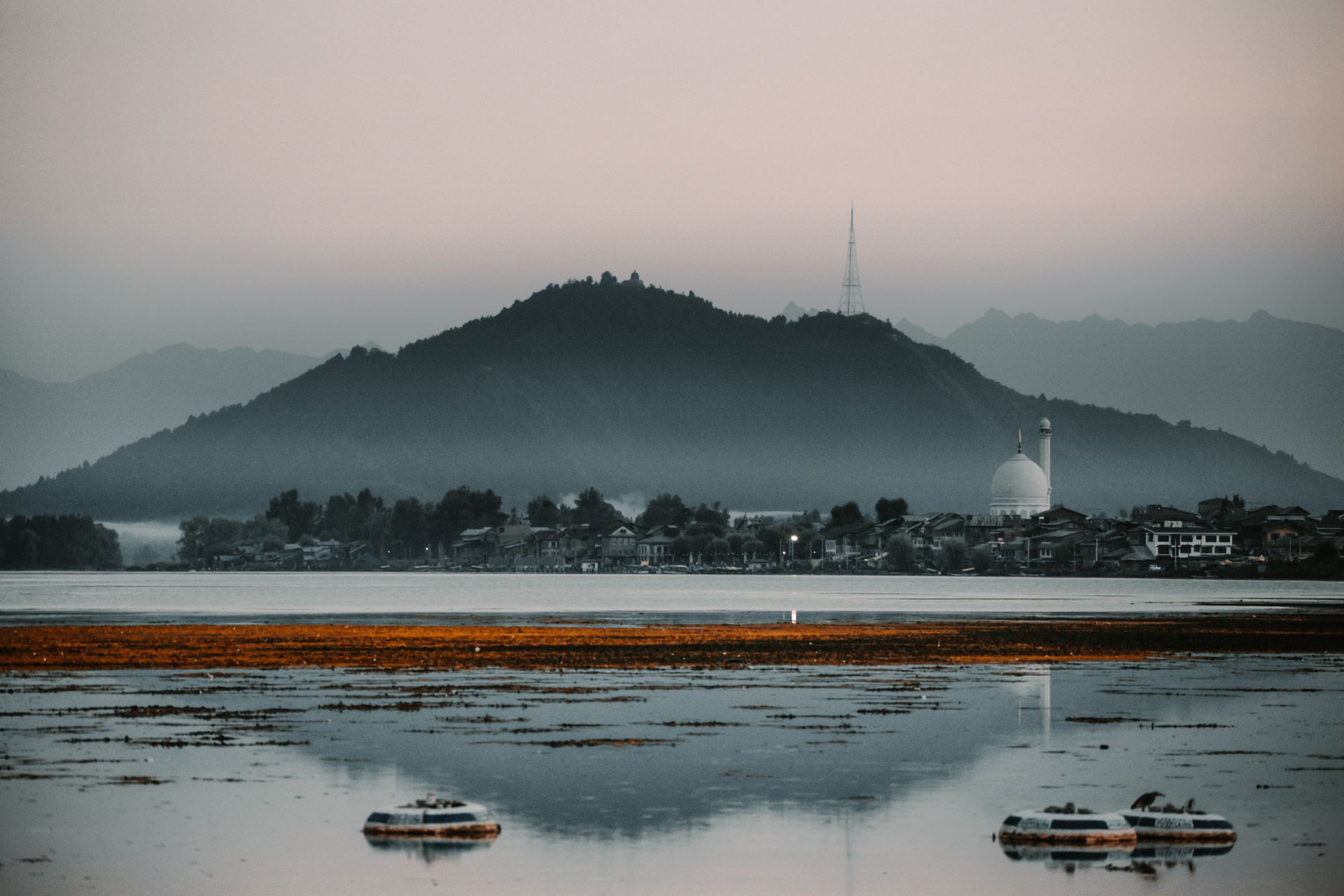
Srinagar is a lake city, and the difference between a good stay and a mediocre one is which part of the lake you sleep on. Take a houseboat, but ask where it is moored. The boats near the Boulevard are convenient and noisy with traffic; the ones further out towards Nagin lake are quieter and give you the mornings the place is famous for. Shikara rides are priced by the hour and by negotiation — agree the route and the price before you get in, or you will be taken to a floating handicraft shop instead. The Mughal gardens — Shalimar, Nishat, Chashme Shahi — are terraced up the eastern hillside and are best in the first hour after opening. The vegetable market on the water at dawn is the real thing, and it means being up before five. Papier-mâché and Kashmiri walnut wood are genuine crafts here and worth buying properly rather than roadside. Check current advisories before you book, and do that close to your travel date rather than months out. April and May for the blossom, and June to August is the season most Indians come. Winter is cold, beautiful and quiet.
Ajmer Sharif is the most revered Sufi shrine in India — the dargah of Khwaja Moinuddin Chishti, the 12th-century saint who founded the Chishti order. Drawing millions of pilgrims of all faiths, especially during the annual Urs, it is a powerful symbol of India's syncretic spiritual culture.
Tamil Nadu
At India's southeastern tip, Dhanushkodi is a hauntingly beautiful ghost-town beach on a thin sandbar where the Bay of Bengal meets the Indian Ocean, near sacred Rameswaram. The best months to visit are roughly November to February, when seas are calm and skies are clear; the monsoon (June to September) brings rough water and many beach shacks shut. Plan water sports and swimming for the dry winter window.
Mathura, the birthplace of Lord Krishna, and neighbouring Vrindavan, where he spent his childhood, form the heart of the Braj pilgrimage region — a land of thousands of temples, devotional music and the most exuberant Holi celebrations in India.
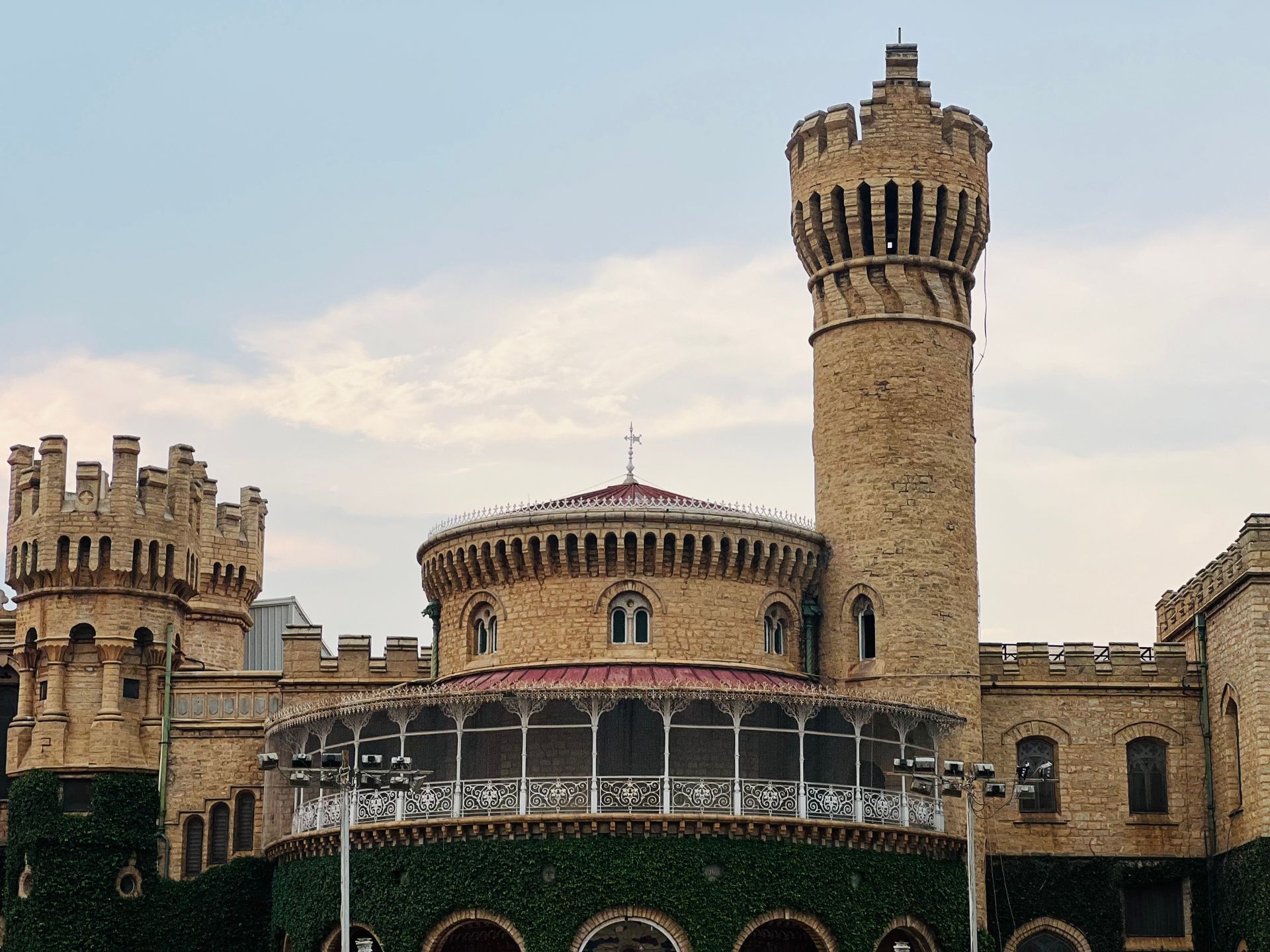
Bengaluru is not a sightseeing city and trying to make it one is the mistake. Come for a weekend of eating, drinking, walking in the parks, and buying books. Lalbagh and Cubbon Park are the reason the place was liveable, and early morning in either is the best hour of the day. The Lalbagh rock is one of the oldest exposed surfaces on the subcontinent and almost nobody goes up it. VV Puram's food street after dark, the Russell Market in Shivajinagar in the morning, filter coffee standing up at a darshini — those are the actual experiences here. The city has the best independent bookshops in India and a working craft beer scene, both of which are genuine, not manufactured for visitors. What it does not have is a monument you must see. Tipu Sultan's summer palace and Bangalore Palace are both twenty-minute visits at most. The traffic is as bad as you have heard. Plan two things a day, in the same part of town, and use the Metro where it goes. The weather is the point — pleasant almost year-round, which is why everyone moved here.
Himachal Pradesh
Dalhousie is a peaceful colonial-era hill station built across five distinct hills of the Dhauladhar mountain range, sitting at an altitude of 1,970 metres. Established in the mid-19th century under the British Raj, the town has systematically preserved its old-world charm, characterized by wide pine-fringed walking loops, traditional stone mansions, and vintage Scottish architecture. Tourism in Dalhousie centers around the historic public squares of Gandhi Chowk and Subhash Chowk, linked by wooded walking paths like Garam Sadak. The town is the quiet alternative to the commercial hill stations, with views of the winding Ravi River and the distant snow-covered peaks of the inner Himalayas.