Browse by place
Browse by theme
Popular themes
Travel mood
Treks, rapids & high passes
33 places
Meghalaya
Umiam Lake, popularly known as Barapani, is a large, sparkling reservoir set among pine-clad hills just north of Shillong in Meghalaya. Created by a dam on the Umiam river, it is a favourite spot for water sports, boating and photography, and a classic stop on the drive from Guwahati to Shillong.
Mizoram
Phawngpui, also called the Blue Mountain, is the highest peak in Mizoram at around 2,157 metres and the heart of Phawngpui National Park. Cloaked in rhododendrons, orchids and grassy slopes, it is sacred to the Mizo people and home to rare birds and the occasional serow and goral.
Sikkim
Gurudongmar Lake, at around 5,430 metres in northern Sikkim near the Tibet border, is one of the highest lakes in the world and a sacred site for Buddhists and Sikhs alike. Set in a stark, wind-swept high-altitude desert ringed by snow peaks, its crystalline waters are believed to be blessed and never fully freeze.
Gujarat
The Dhinodhar Hills are an isolated volcanic hill range located near Nakhatrana taluka in the Kutch district. Rising dramatically to an elevation of 386 meters out of the semi-arid arid flatlands, this volcanic plug formation holds immense geological and spiritual significance. The destination is a prominent trekking hub characterized by dark volcanic rock paths, dense thorny scrub forests at the base, and a historic mountaintop monastery dedicated to the ascetic saint Dhoramnath, overlooking the white salt plains.
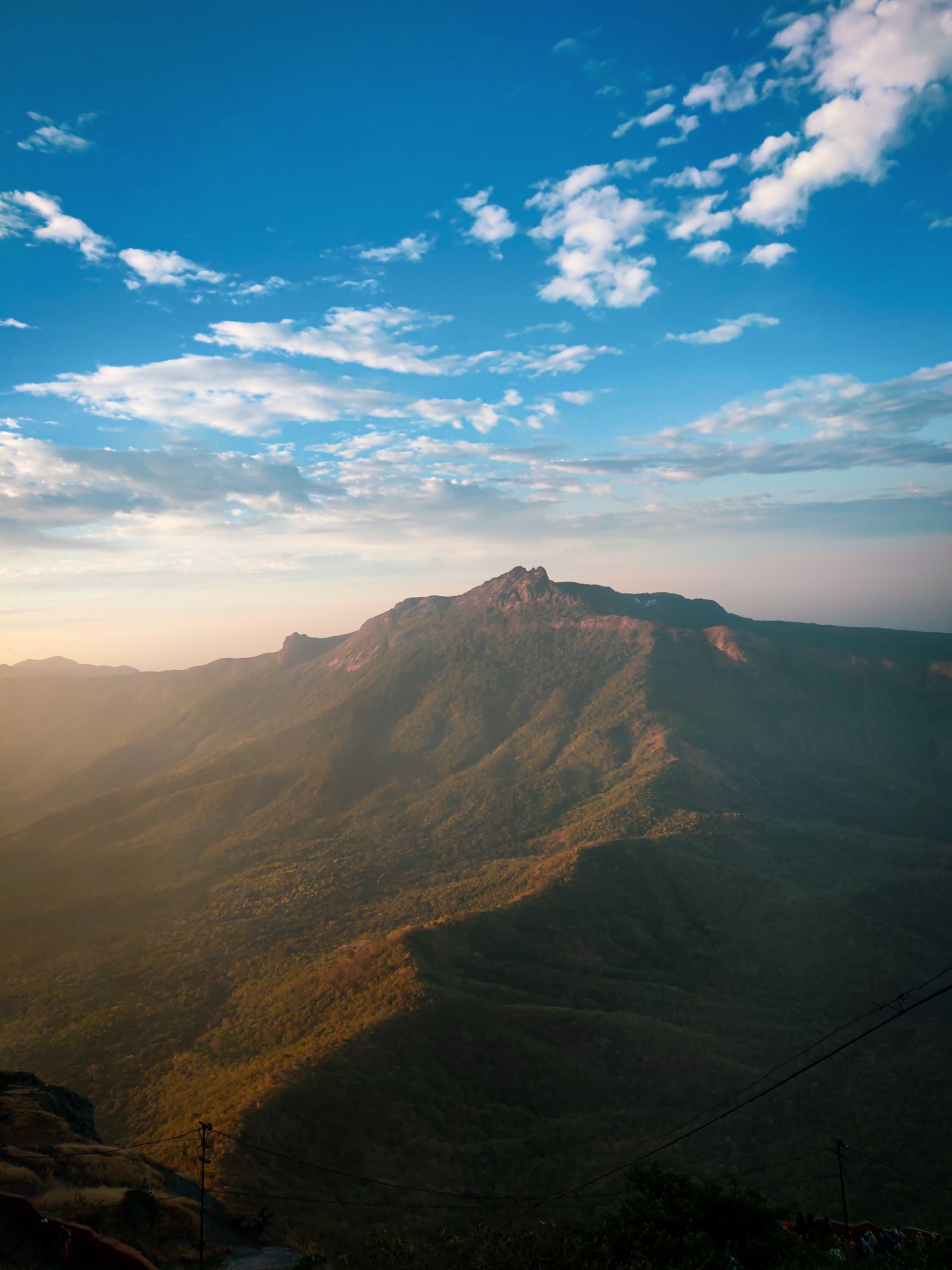
The Girnar Hills rise outside Junagadh, an old volcanic range whose highest point, Gorakhnath Peak, reaches 1,031 metres — the highest in Gujarat. Wrapped in the dry-deciduous forest of the Gir landscape, the hills are a shared sacred site, with Jain marble temples and Hindu shrines near the top. Reaching them means either climbing a famous stairway of nearly 10,000 steps or taking the ropeway up over the forested valleys.
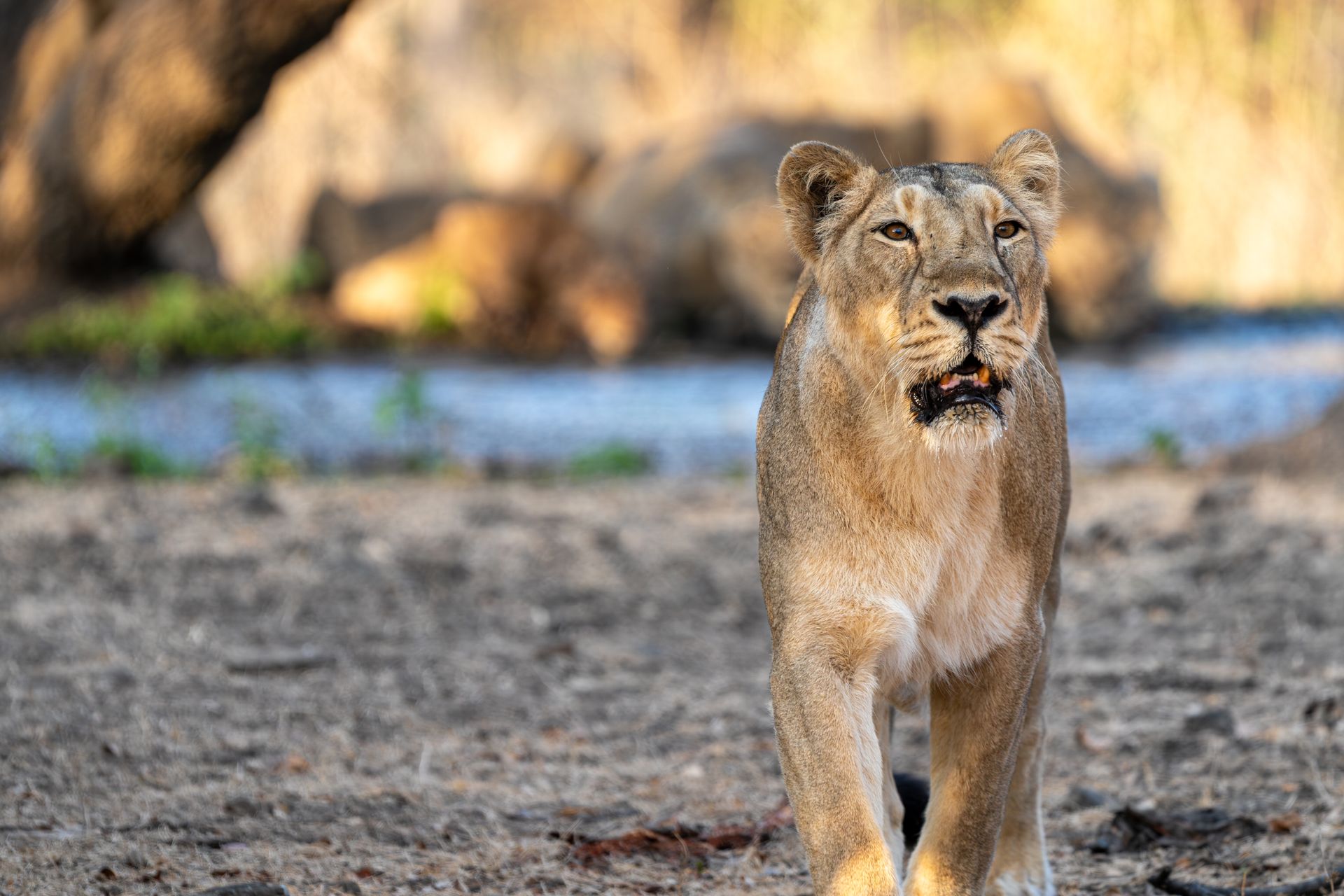
Gir, near Talala, is the last place in the wild where the Asiatic lion survives. Its dry-deciduous forest and scrub also shelter leopards, deer and a wide range of birds, and safaris run from the sanctuary's gates.
Kevadia, now officially Ekta Nagar, is home to the Statue of Unity — at 182 metres, the tallest statue in the world — on the banks of the Narmada River. Once a quiet settlement, it has been developed into a large tourism hub with theme gardens, a safari park, viewpoints and adventure activities.
Himachal Pradesh
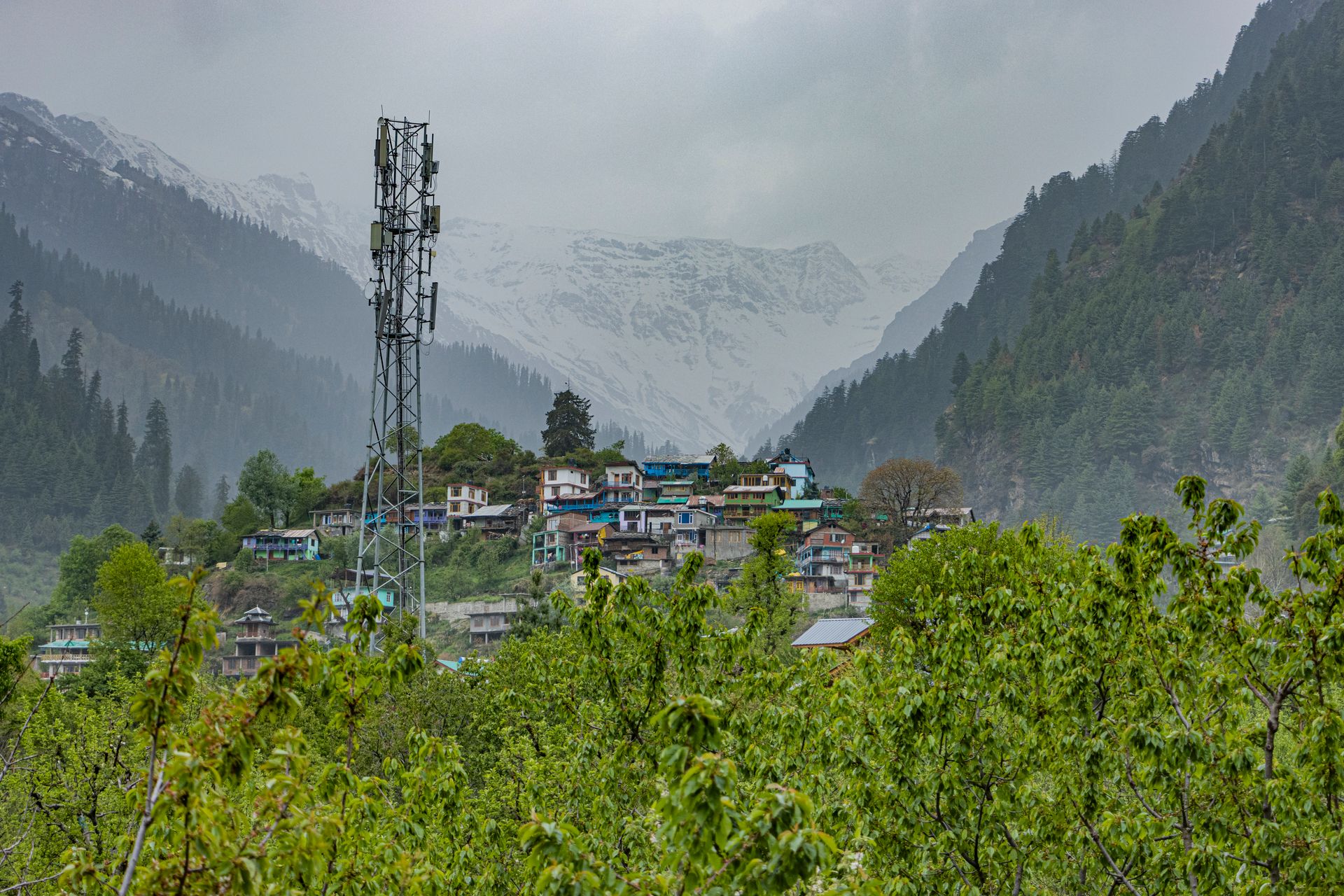
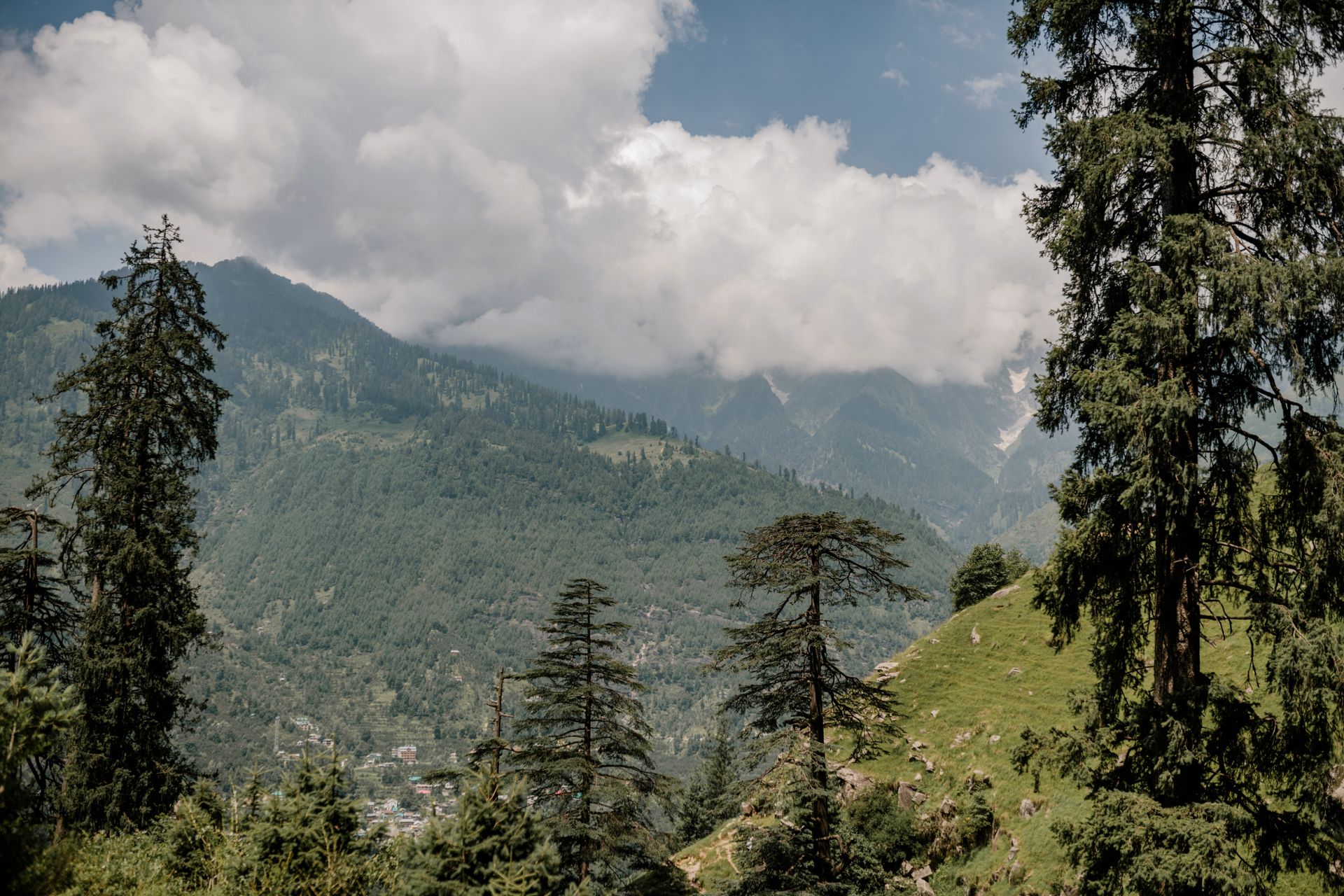
Old Manali is the laid-back, bohemian counterpart to Manali town — a riverside cluster of guesthouses, cafes and orchards above the Manalsu stream. While Manali proper is a busy hill-station hub, Old Manali draws backpackers and long-stay travellers with its slower pace, music cafes and mountain-village feel. It works as both a chilled base and an adventure springboard, with the Hampta Pass, Solang Valley and Jogini Falls within easy reach. Cobbled lanes lined with German bakeries, hostels and gear shops make it a favourite first stop for those heading deeper into Himachal or up to Spiti and Leh.
Jammu & Kashmir
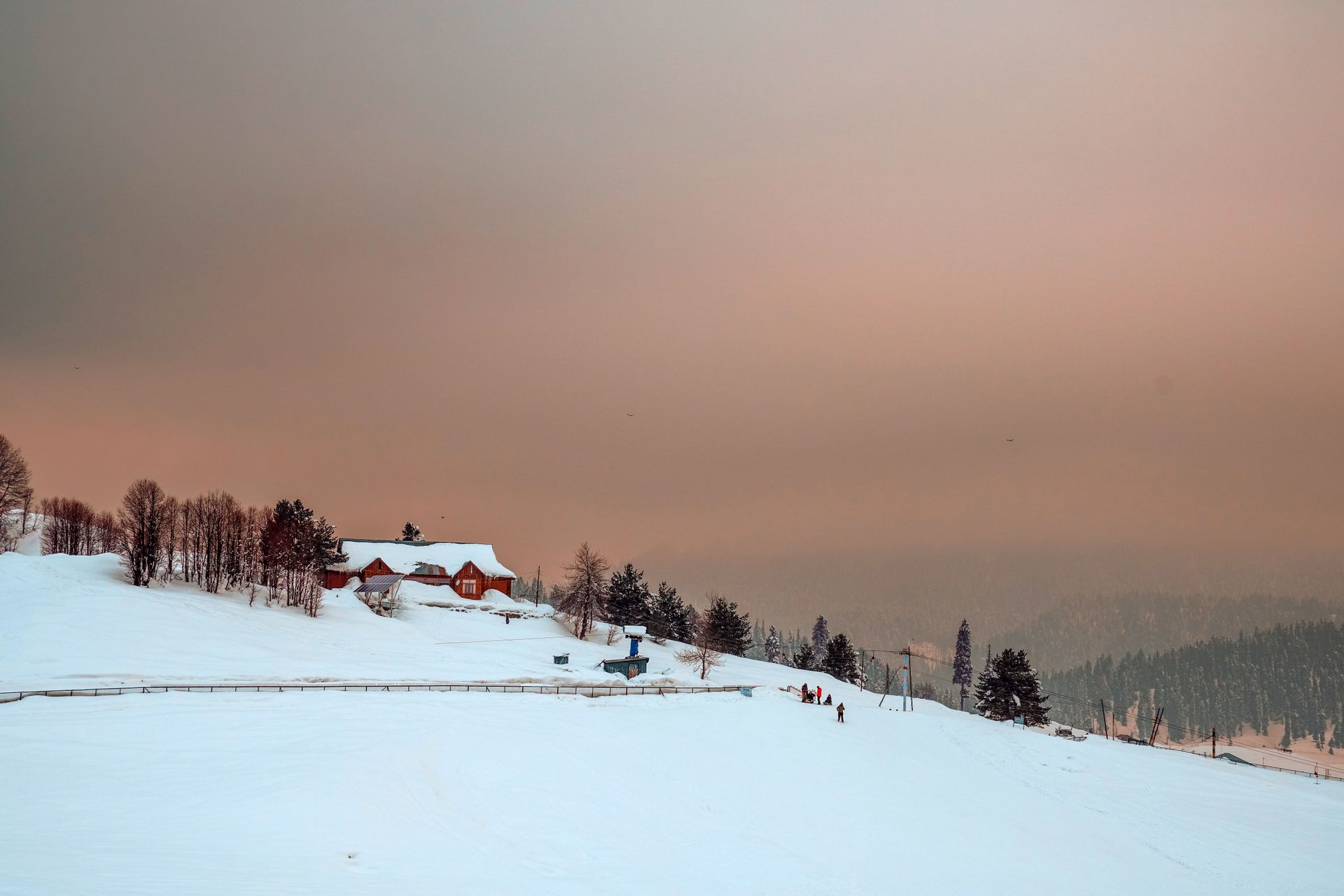
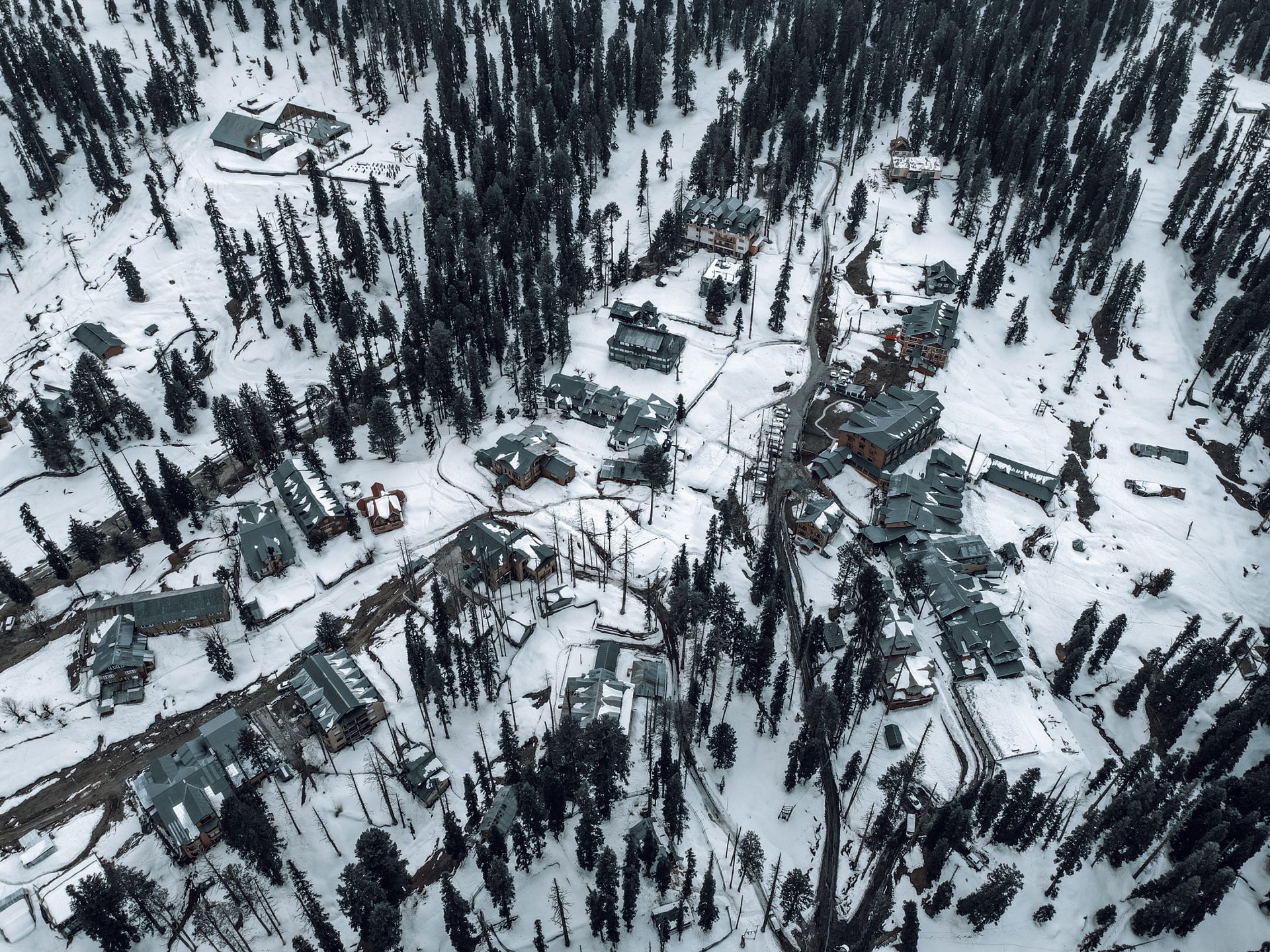
Gulmarg is a bowl of meadow at 2,650 metres in the Pir Panjal, and it does two completely different jobs depending on the month. December to March it is the only serious ski resort in India. The Apharwat face has real off-piste terrain and the snow is dry enough to justify the trip. May to September the snow is gone and it is a meadow full of wildflowers with a golf course on it, one of the highest anywhere. The gondola climbs in two stages. The first, to Kongdoori, almost always runs. The second, up to just under four thousand metres on Apharwat, is frequently closed for wind and its tickets are capped daily — buy both stages early or accept that you may only get the first. If you are skiing off-piste, a guide is not optional. This is avalanche terrain and it has killed people.
Karnataka
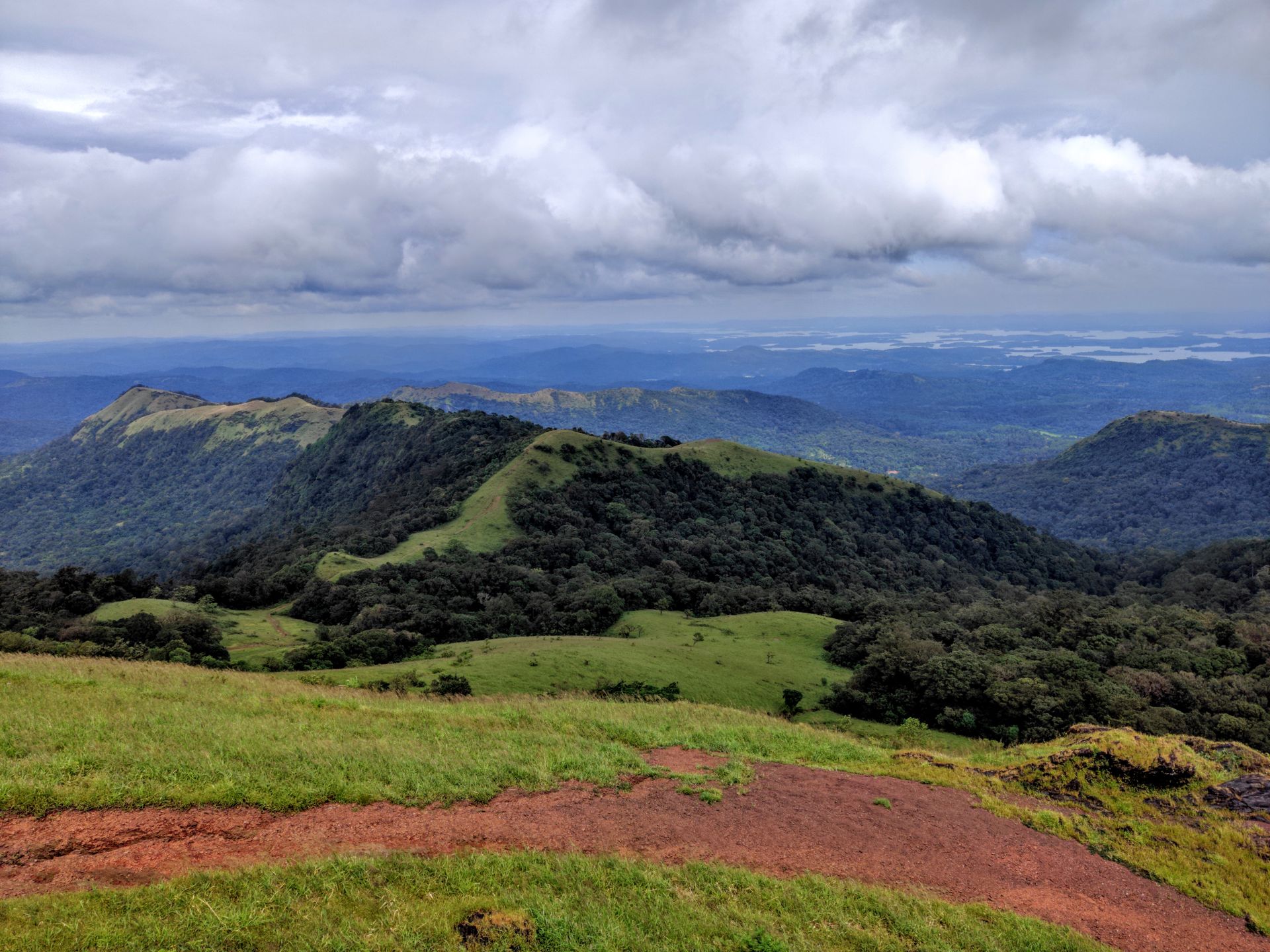
Chikmagalur is the coffee heartland of Karnataka, a lush hill district in the Western Ghats where rolling estates, misty peaks and waterfalls draw a steady stream of young travellers from Bengaluru and beyond. It is a top weekend and workation pick for those wanting estate-stays, treks and great coffee within easy reach of a big city. Home to Mullayanagiri (Karnataka's highest peak), Baba Budangiri and dense shola forests, Chikmagalur blends gentle adventure with slow plantation living. Coffee homestays, trekking trails and cafe culture make it a favourite for couples, friend groups and remote workers.
Madhya Pradesh
Kanha is one of India's largest and most beautiful tiger reserves, a landscape of sal forests and open meadows said to have inspired Kipling's 'The Jungle Book'. It is also the last home of the rare barasingha (swamp deer).
Kerala
Malayattoor, a hilltop church near Kochi dedicated to St. Thomas the Apostle, draws one of the largest Christian pilgrimages in India and the only one in Asia declared an International Shrine by the Vatican. Pilgrims climb the forested hill, especially during the Lenten season, to reach the shrine said to be linked to St. Thomas.
Maharashtra
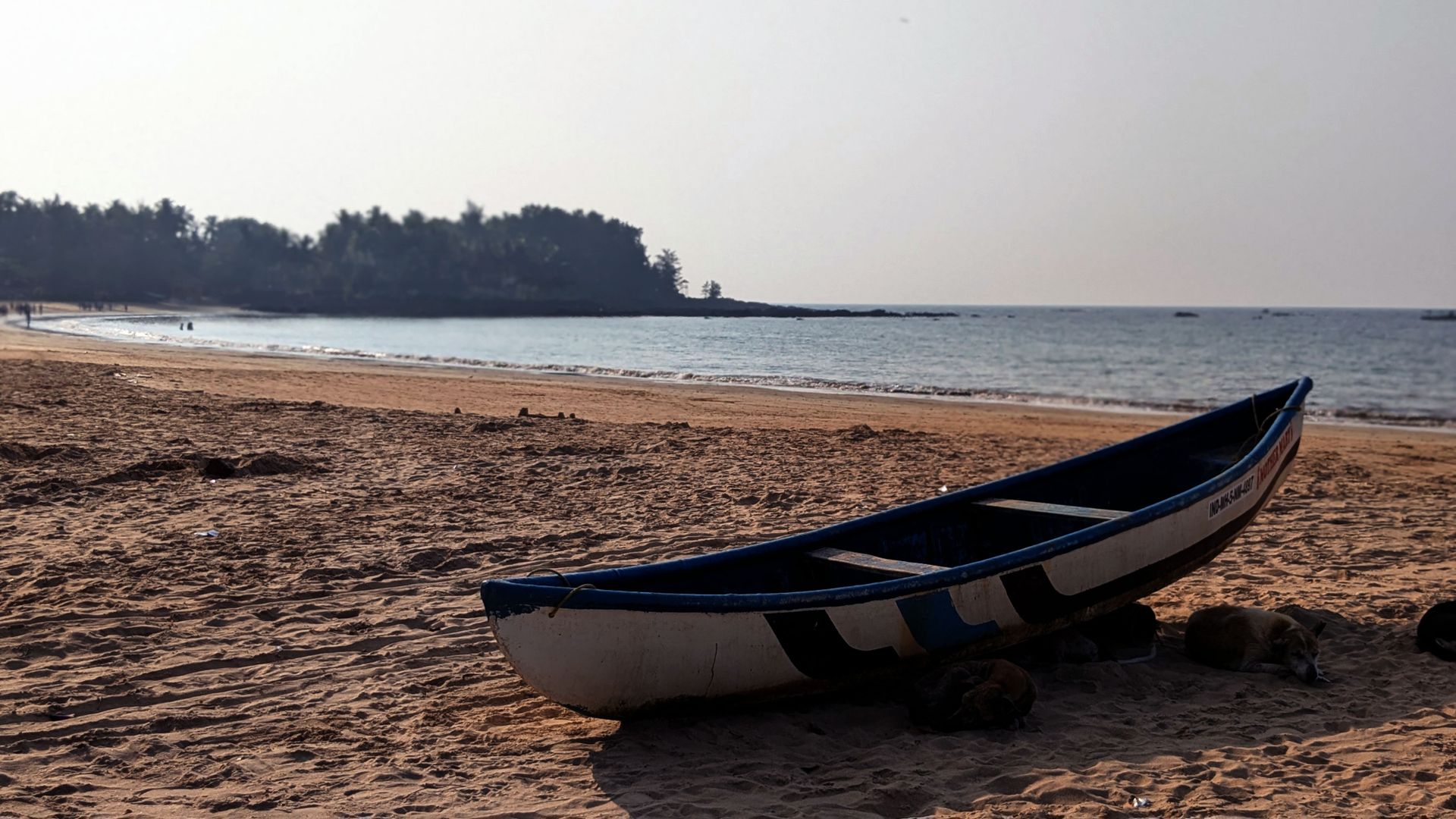
Near Malvan, the Devbagh sandbar where the Karli River meets the sea has scuba diving, dolphin trips and the clearest water on the Konkan. The best months to visit are roughly November to February, when seas are calm and skies are clear; the monsoon (June to September) brings rough water and many beach shacks shut. Plan water sports and swimming for the dry winter window.
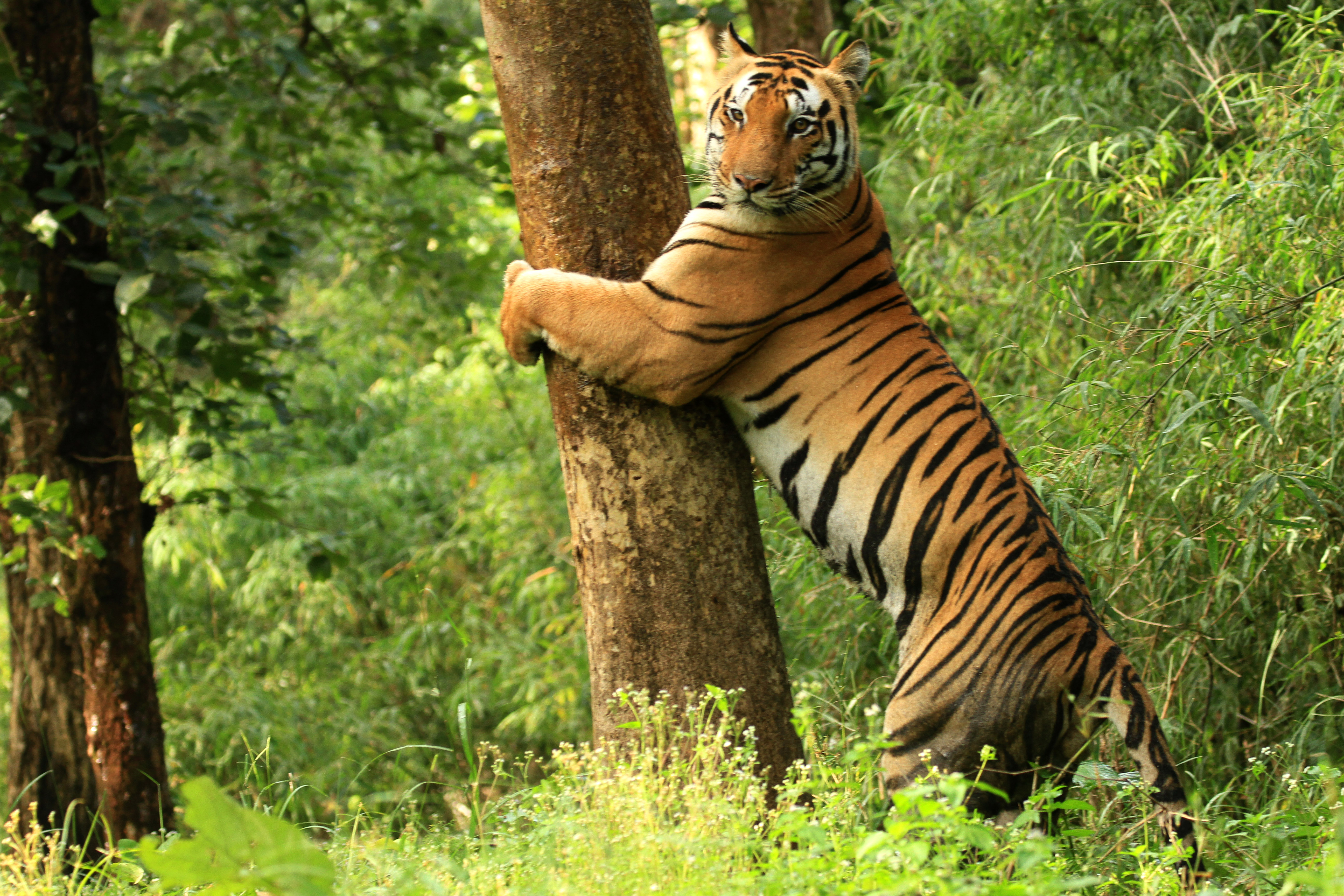
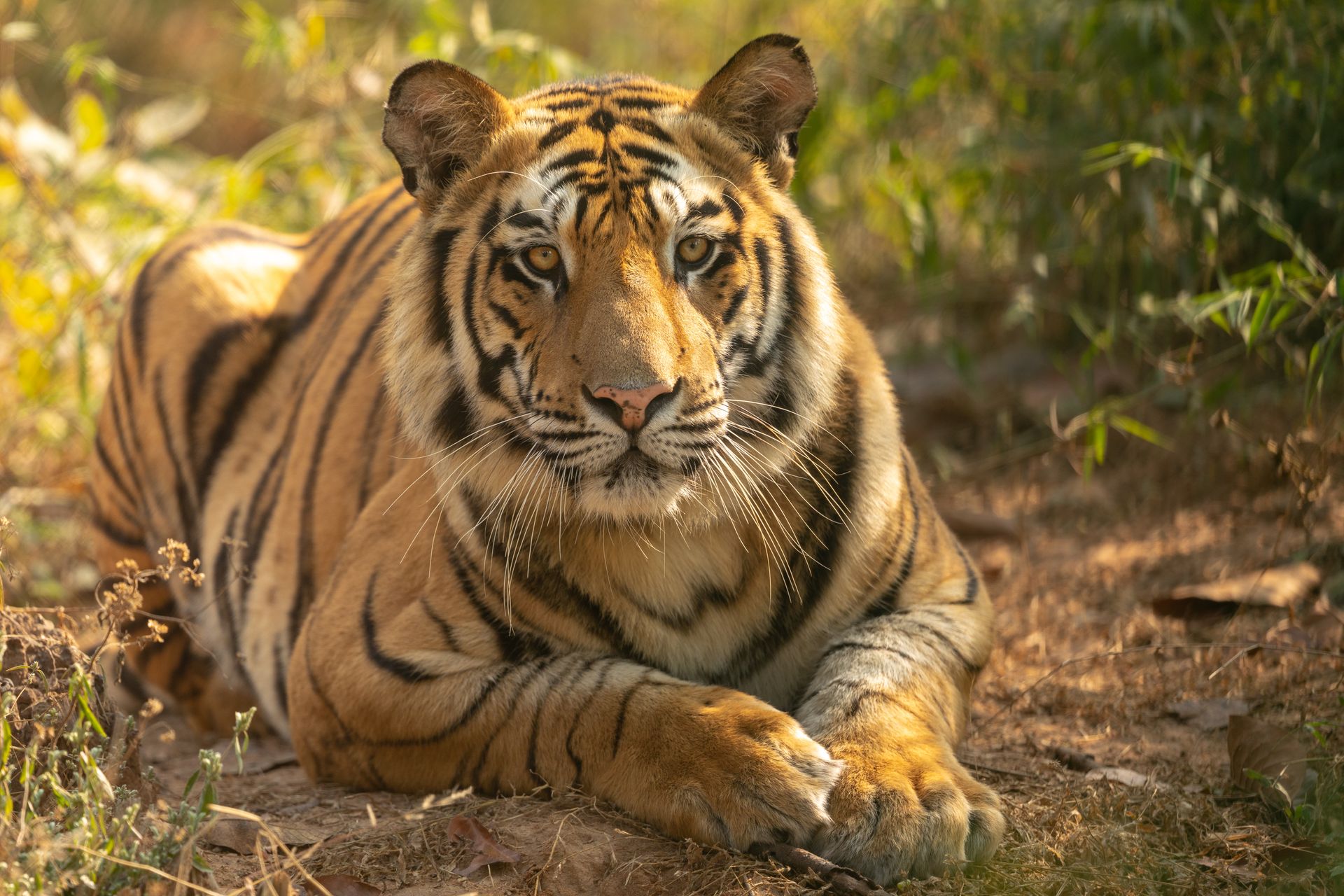
Bandhavgarh has one of the highest densities of Bengal tigers in India, set around an ancient hilltop fort in the Vindhya hills of Madhya Pradesh. Its mix of sal forest, grassland meadows and dramatic cliffs gives Bandhavgarh some of the highest tiger density in India.
Tirthan Valley is a quiet, offbeat river valley on the edge of the Great Himalayan National Park (a UNESCO World Heritage Site) in Himachal Pradesh. Named after the crystal-clear Tirthan River, it has emerged as a slow-travel and workation favourite for those seeking pine forests, trout streams and riverside homestays far from the tourist crowds. With no big hotels and a strong eco-tourism ethic, the valley centres on activities like trout fishing, river crossing, forest treks and lazy days by the water. It suits people who want to sit by a river for a week rather than tick off viewpoints.
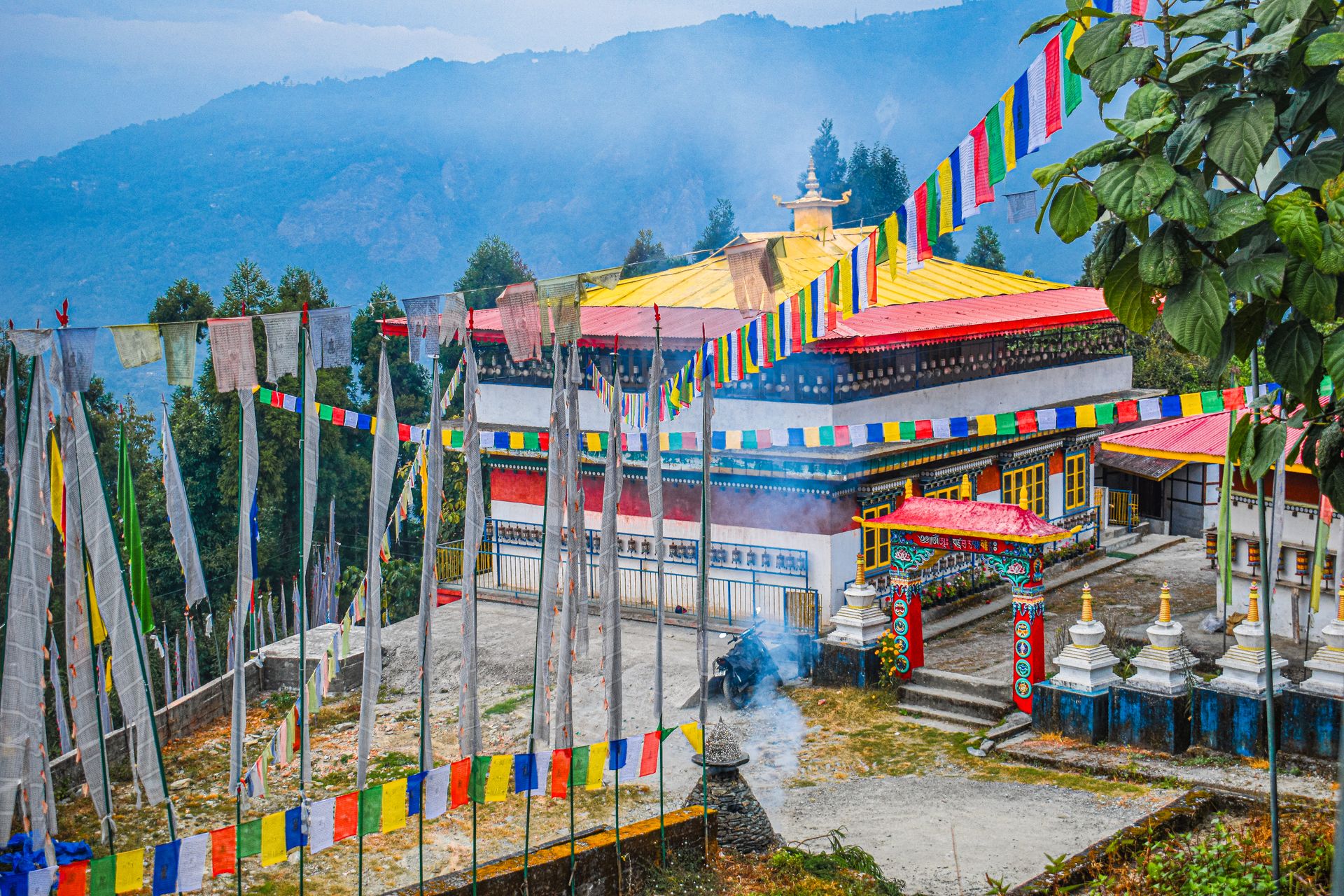
Yuksom is a historical village in West Sikkim, the first capital of the old Sikkimese kingdom and the trailhead for the famed Goecha La and Dzongri treks toward Kanchenjunga. An emerging eco-conscious, slow-travel destination, it draws trekkers and offbeat travellers with its forests, monasteries and calm. Surrounded by the Kanchenjunga National Park (an UNESCO World Heritage Site), Yuksom has old monasteries, sacred lakes, homestays and forest on every side. Its blend of Buddhist heritage, Himalayan trekking and unspoiled nature makes it a favourite for conscious, adventurous young travellers.
Tadoba is Maharashtra's oldest and largest national park, increasingly famous for frequent daytime tiger sightings. Its teak and bamboo forests around Tadoba Lake support tigers, leopards, sloth bears and wild dogs.
Patnitop is a plateau at 2,024 metres above the Chenab on the Jammu–Srinagar highway, and almost everyone who stops there was on the way somewhere else. As a stop it works well. Deodar forest, open meadows and easy walking — this is not a trekking destination and does not pretend to be. The Skyview gondola at Sanasar runs 2.8 kilometres across the gorge and is the one thing here worth a detour on its own. Snow falls for a few weeks in January and February and the place fills up for it. The rest of winter it is cold and empty. March to June and September to November. Avoid the monsoon, when the highway below is prone to landslides and closures.
Bhimashankar, deep in the Sahyadri hills of Maharashtra, is one of the twelve Jyotirlingas of Lord Shiva and the source of the Bhima River. Surrounded by a wildlife sanctuary that shelters the rare Indian giant squirrel, it combines a major pilgrimage with lush Western Ghats trekking.
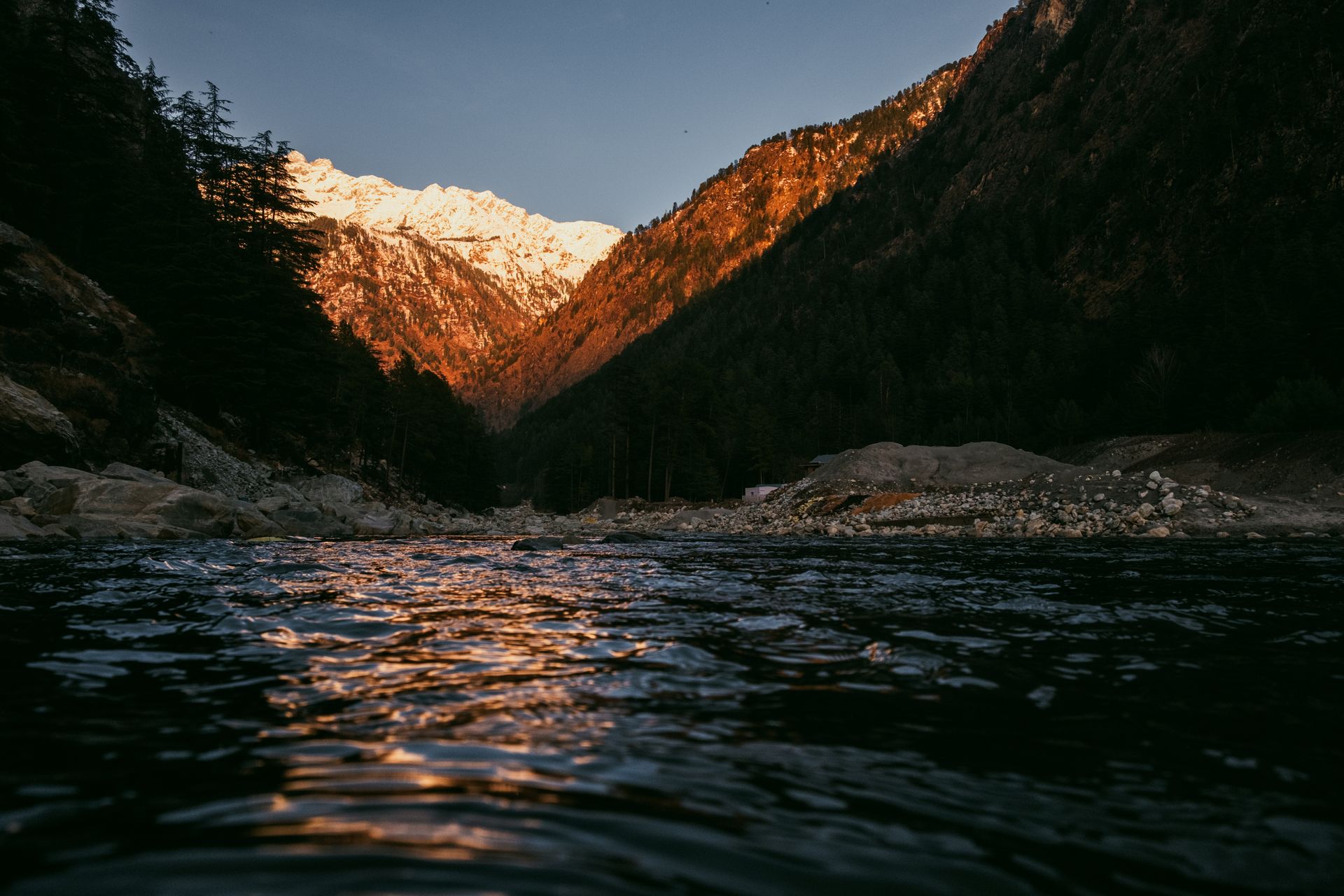
Kasol is a small riverside village in the Parvati Valley of Himachal Pradesh that has become the unofficial backpacking capital of North India. Set along the gushing Parvati River and ringed by pine-clad slopes, it draws a young, international crowd with its laid-back cafe culture, Israeli food, trekking trailheads and famously relaxed mountain vibe. Kasol functions as the base camp for the wider Parvati Valley circuit, with treks fanning out to Kheerganga, Tosh, Malana and Chalal. The main market is packed with cafes serving shakshuka and falafel, music hostels, gear-rental shops and bonfire-lit guesthouses.
Girnar, a sacred volcanic massif near Junagadh, is a major pilgrimage for both Jains and Hindus. The arduous climb of roughly 10,000 steps passes a walled cluster of medieval Jain temples partway up, before continuing to Hindu shrines at the higher summits — a full day's climb, and one of the hardest pilgrimages in Gujarat.
Lakshadweep
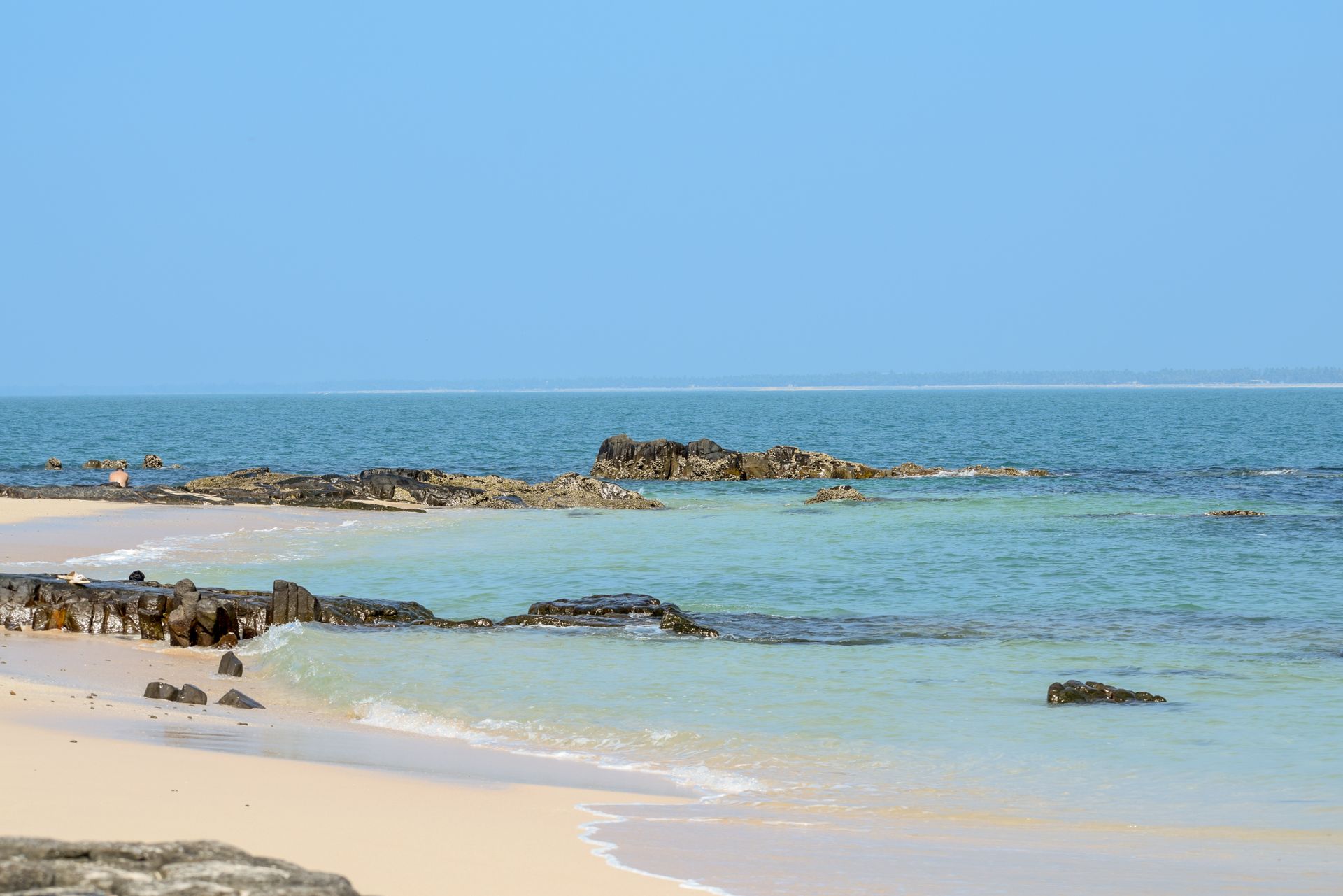
The gateway to Lakshadweep with its own airport, Agatti is ringed by a vivid turquoise lagoon and coral reefs, with snorkelling, diving and lagoon kayaking run from the island. The best months to visit are roughly November to February, when seas are calm and skies are clear; the monsoon (June to September) brings rough water and many beach shacks shut. Plan water sports and swimming for the dry winter window.
Palitana, in Gujarat's Saurashtra, is one of Jainism's most sacred sites — the Shatrunjaya hill is crowned by an astonishing cluster of over 800 intricately carved marble temples. Pilgrims climb roughly 3,800 steps to reach the summit, where the temple-city gleams in white marble. No one, not even priests, may stay overnight on the sacred hill.
Uttarakhand
Jim Corbett is India's oldest national park and the birthplace of Project Tiger, set in the Himalayan foothills along the Ramganga River. Famed for its tigers, elephants and rich birdlife across the Dhikala, Bijrani and Jhirna zones, it is one of the country's safari destinations.
Andaman & Nicobar Islands
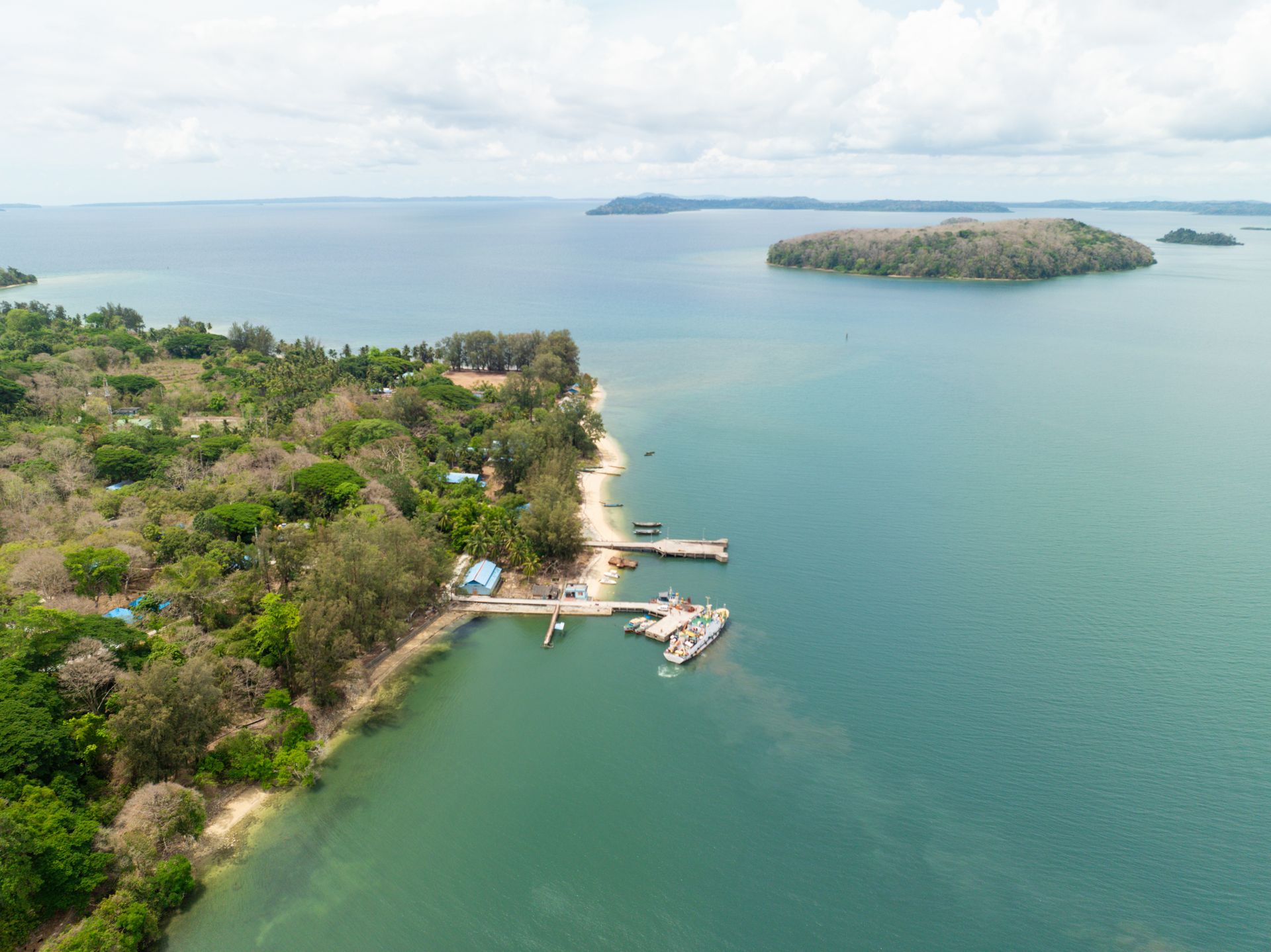
A remote, road-free island reached by ferry, Long Island has Lalaji Bay, jungle trails and no cars on it at all. The best months to visit are roughly November to February, when seas are calm and skies are clear; the monsoon (June to September) brings rough water and many beach shacks shut. Plan water sports and swimming for the dry winter window.
A cluster of islands off Malpe near Udupi, famed for unique hexagonal basalt rock columns, white-shell sands and clear water reached by a short boat ride. The best months to visit are roughly November to February, when seas are calm and skies are clear; the monsoon (June to September) brings rough water and many beach shacks shut. Plan water sports and swimming for the dry winter window.
Leh & Ladakh
Tso Moriri, or Mountain Lake, is an offbeat high-altitude lake tucked away at an astounding elevation of 4,522 metres on the Changtang plateau of southeastern Ladakh. The body of water spans roughly 19 kilometers in length and is entirely fed by glacial meltwater from surrounding snow peaks exceeding 6,000 metres. It is protected under international environmental treaties as part of the Tso Moriri Wetland Conservation Reserve. Unlike Pangong Tso, Tso Moriri is far quieter, less commercialized, and rawer for it. The cobalt-blue waters are flanked by the small nomadic settlement of Korzok, which houses an ancient mud-brick monastery. The surrounding marshy wetlands provide sanctuary to rare and endangered Himalayan migratory birds.
Dawki and Mawlynnong sit in the southern hills of Meghalaya near the Bangladesh border, famous for the crystal-clear Umngot River and for Mawlynnong's title as 'Asia's cleanest village'. Together they form one of the Northeast's most photogenic and increasingly popular offbeat circuits. The Umngot River at Dawki is so transparent that boats appear to float on air, drawing travellers for boat rides and camping. Nearby Mawlynnong brings out a model of community cleanliness, living root bridges and a sky-walk viewpoint over the plains of Bangladesh — a uniquely sustainable destination.
Gir is the last refuge of the Asiatic lion, the only place on earth outside Africa where wild lions roam. This dry deciduous forest in Saurashtra also shelters leopards, antelope and over 300 bird species across its safari routes.
Hampi is an open-air archeological destination along the banks of the boulder-strewn Tungabhadra River in the Vijayanagara district. Spanning a massive area of over 41 square kilometers, it preserves the ruined remains of the imperial capital of the historical Vijayanagara Empire. The architectural ruins feature a cross-section of palaces, military bastions, symmetric bazaar corridors, and complex stone temples. From the delicate carvings of the Hazara Rama Temple to the stone chariot structure at the Vittala complex, Hampi brings out the high-water mark of medieval South Indian artistic expression. The entire landscape is inscribed as an UNESCO World Heritage Site.
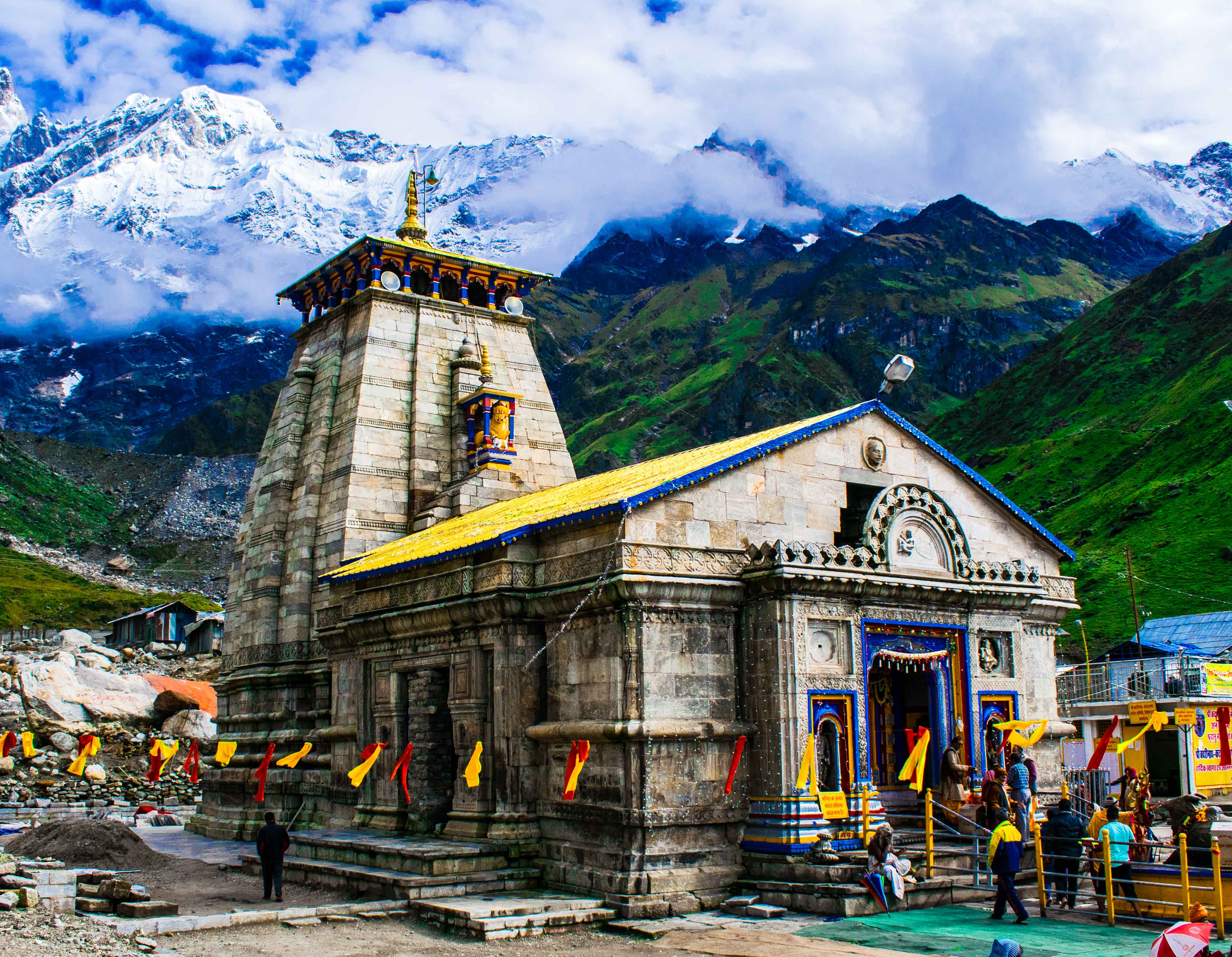
Kedarnath, set at 3,583 metres against a backdrop of snow peaks and the Mandakini valley, is among the holiest of the twelve Jyotirlingas and a cornerstone of the Char Dham Yatra. The ancient stone temple, reached by a demanding Himalayan trek, is one of India's most revered shrines.
Jharkhand
Shikharji, atop Parasnath Hill — Jharkhand's highest peak — is the holiest pilgrimage site in Jainism, where twenty of the twenty-four Tirthankaras are believed to have attained moksha. Devout pilgrims undertake a demanding ~27-km barefoot trek across the forested ridge, visiting shrines (tonks) marking each liberation.
Chhattisgarh
Chitrakote, often called the 'Niagara of India', is the country's widest waterfall, where the Indravati River plunges in a dramatic horseshoe in the tribal heartland of Bastar, Chhattisgarh. A full horseshoe in the monsoon and a few channels by winter, it anchors a region rich in tribal culture and forests.