CityDekho

Browse by place

CityRegionDestinationAttractions

Browse by theme

By MoodAll themesFestivals of IndiaFestival calendarAncient India

Popular themes

BeachesHill StationsSpiritual PlacesPilgrimage & YatrasHeritage & FortsWildlifeAdventureFood TrailsSee all themes
Trip Ideas
Travel ItinerariesTravel GuidesEditorials
When to Go
My TripsSavedProfile
HomeExploreSearchSaved
CityDekho

Browse by place

CityRegionDestinationAttractions

Browse by theme

By MoodAll themesFestivals of IndiaFestival calendarAncient India

Popular themes

BeachesHill StationsSpiritual PlacesPilgrimage & YatrasHeritage & FortsWildlifeAdventureFood TrailsSee all themes
Trip Ideas
Travel ItinerariesTravel GuidesEditorials
When to Go
My TripsSavedProfile
HomeExploreSearchSaved

Travel inspiration in your inbox

New destinations, festival guides and hidden gems — plus the occasional alert. No spam, unsubscribe anytime.

or
CityDekho

Discover India — destinations, hidden gems, festivals and pilgrimages, all in one place.

hello@citydekho.com

Explore

  • Destinations
  • States & UTs
  • Things to do
  • Trip Ideas
  • Pilgrimages
  • Ancient India
  • Festivals

Plan your trip

  • Itineraries
  • Travel guides
  • Road trips
  • Food trails
  • Best time to visit
  • Festival calendar
  • Search CityDekho

Categories

  • Hill Stations
  • Beaches
  • Wildlife
  • Spiritual
  • Adventure
  • Heritage
  • Weekend getaways
  • Hidden gems

Stories & support

  • Editorials
  • Feedback & ideas
  • About
  • Contact
By seasonsummermonsoonautumnwinterspring

© 2026 CityDekho. All rights reserved.

AboutContactFeedbackBest time to visit
All destinations

All destinations

Explore

Showing Cities.

Popular right now

All categories
Hill StationsHill StationsCool escapesBeachesBeachesSun, sand & seaSpiritual PlacesSpiritual PlacesPeace withinWeekend GetawayWeekend GetawayShort & sweet

Browse by category

DestinationsTop places to visitCitiesExplore citiesUNESCO SitesWorld heritageRegionsExplore regionsTrip TypesPlan your tripTravel MoodFind your vibeThings To DoExperiencesPilgrimage & YatraSacred journeysFestivalsCelebrate IndiaSeasonTravel by seasonItinerariesCurated plansGuides & StoriesTravel inspirationIndus Valley CivilizationAncient India

Explore by state

All states

North India10

Jammu & KashmirLeh & LadakhHimachal PradeshPunjabUttar PradeshDelhiHaryanaChandigarhUttarakhandRajasthan

West India4

Daman & DiuGoaGujaratMaharashtra

Central India2

ChhattisgarhMadhya Pradesh

East India4

BiharJharkhandOdishaWest Bengal

Northeast India8

Arunachal PradeshAssamManipurMeghalayaMizoramNagalandSikkimTripura

South India8

Andaman & Nicobar IslandsAndhra PradeshKarnatakaKeralaLakshadweepPuducherryTamil NaduTelangana

Planning a trip?

Let us help you plan the perfect journey — build it day by day and save the places along the way.

Create itinerary

44 destinations

Valsad — photo

Gujarat

Valsad

Valsad, once known as Bulsar, sits at the southern tip of Gujarat on the Arabian Sea. It is known for its mango orchards — the source of much of the region's Alphonso (Hafoos) crop — and mixes an industrial economy with easygoing coastal and temple tourism. With black-sand beaches and the union territory of Daman close by, it is a popular weekend break for visitors from Gujarat and Maharashtra.

Navsari — photo

Gujarat

Navsari

Navsari is an old town near the Purna river delta in south Gujarat, long linked with neighbouring Surat. It is an important centre of Parsi heritage in India, home to some of the community's oldest fire temples. Just offshore is Dandi, where Mahatma Gandhi ended his Salt March in 1930.

Mehsana

Gujarat

Mehsana

Mehsana is a busy city in northern Gujarat, known for the Dudhsagar dairy — one of India's largest cooperative dairies — and for its oil and gas fields. For travellers it is most useful as a base for the Solanki-era Sun Temple at Modhera and the Bahucharaji Shakti Peeth temple nearby.

Bhavnagar

Gujarat

Bhavnagar

Bhavnagar is a historic oceanfront city founded in 1723 by Maharaja Bhavsinhji Gohil, strategically positioned along the western rim of the Gulf of Khambhat. Long serving as a major maritime trading capital exporting rich regional goods, the city has evolved into a base for corporate and heritage travelers. Its urban landscape features grand colonial architectures, public squares, and unique hilltop temples with panoramic vistas over active industrial shipping lock gates, while functioning as the primary transit gateway for the world-famous Velavadar Blackbuck savanna ecosystems.

Jamnagar

Gujarat

Jamnagar

Jamnagar, once the princely capital of Nawanagar under the Jadeja rulers, sits on the southern Gulf of Kutch. Known as the 'Jewel of Kathiawar' and, for its many temples, as 'Chhoti Kashi', it pairs royal-era architecture — lake palaces, colonial squares and a solar observatory — with a large modern industrial belt. Nearby lie coral reefs and coastal wetlands rich in birdlife.

Porbandar

Gujarat

Porbandar

Porbandar is a coastal town on the Saurashtra shore of the Arabian Sea, remembered in tradition as the birthplace of Sudama, Krishna's childhood friend, and in modern history as the birthplace of Mahatma Gandhi. Its old quarter has distinctive limestone architecture, and the coastal wetlands nearby draw large numbers of migratory birds.

Gandhinagar

Gujarat

Gandhinagar

Gandhinagar, the meticulously master-planned capital city of Gujarat, stands on the west bank of the Sabarmati River. Designed by visionary architects H.K. Mewada and Prakash M. Apte, it is internationally recognized as one of India's greenest administrative capitals, laid out in an orderly grid of 30 structured sectors. Beyond its primary role as a political and bureaucratic powerhouse, Gandhinagar handles a massive leisure and spiritual tourist footprint due to its high-capacity exhibition facilities, lush urban forest canopy covers, eco-nature parks, and monumental temple installations.

Junagadh

Gujarat

Junagadh

Resting right at the base of the sacred, volcanic Girnar hills, Junagadh is an ancient city whose name means 'Old Fort'. It features a diverse mix of ancient Buddhist rock edicts, medieval fort structures, and flamboyant 19th-century royal mausoleums, capturing a unique historical footprint within Saurashtra.

Vadodara

Gujarat

Vadodara

Universally known as the cultural capital of Gujarat, Vadodara (historically Baroda) is a grand city shaped by the royal history of the Gaekwad dynasty. It features opulent palaces, rich art academies, and vast public gardens, with an eloquent mix of old-world royalty and modern industrial enterprise.

Bhuj

Gujarat

Bhuj

Bhuj is the historic capital of the Kutch district. Highly resilient following major earthquake eras, it is a maze of royal palaces, historic stepwells, and ancient markets, serving as the ultimate jumping-off point into the vast salt flats of the Great Rann of Kutch.

Ahmedabad

Gujarat

Ahmedabad

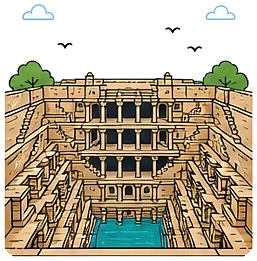
Ahmedabad's old city is a UNESCO World Heritage Site and the way to see it is a walk that starts at seven in the morning. The heritage walk from Swaminarayan temple to Jama Masjid takes a couple of hours and goes through the pols — dense residential quarters, each historically one community, with shared courtyards, carved wooden facades and bird feeders on tall poles. Doing this without a guide means missing all of it, because the pols look like ordinary lanes from outside. The Sidi Saiyyed mosque's stone jaali — the tree-of-life screen — is the image the city is known for, and it takes five minutes to see. The Adalaj stepwell, half an hour out, takes longer and gives more. Gandhi's Sabarmati Ashram is plain and unglamorous by design. Sit in it for a while rather than walking through. Gujarat is a dry state; alcohol is not served. The city eats vegetarian extremely well as a result — the Gujarati thali here is one of India's great meals. November to February. April and May routinely pass forty-two degrees.

Kevadia (Ekta Nagar)

Gujarat

Kevadia (Ekta Nagar)

Kevadia, now officially Ekta Nagar, is home to the Statue of Unity — at 182 metres, the tallest statue in the world — on the banks of the Narmada River. Once a quiet settlement, it has been developed into a large tourism hub with theme gardens, a safari park, viewpoints and adventure activities.

Agra photo

Uttar Pradesh

Agra

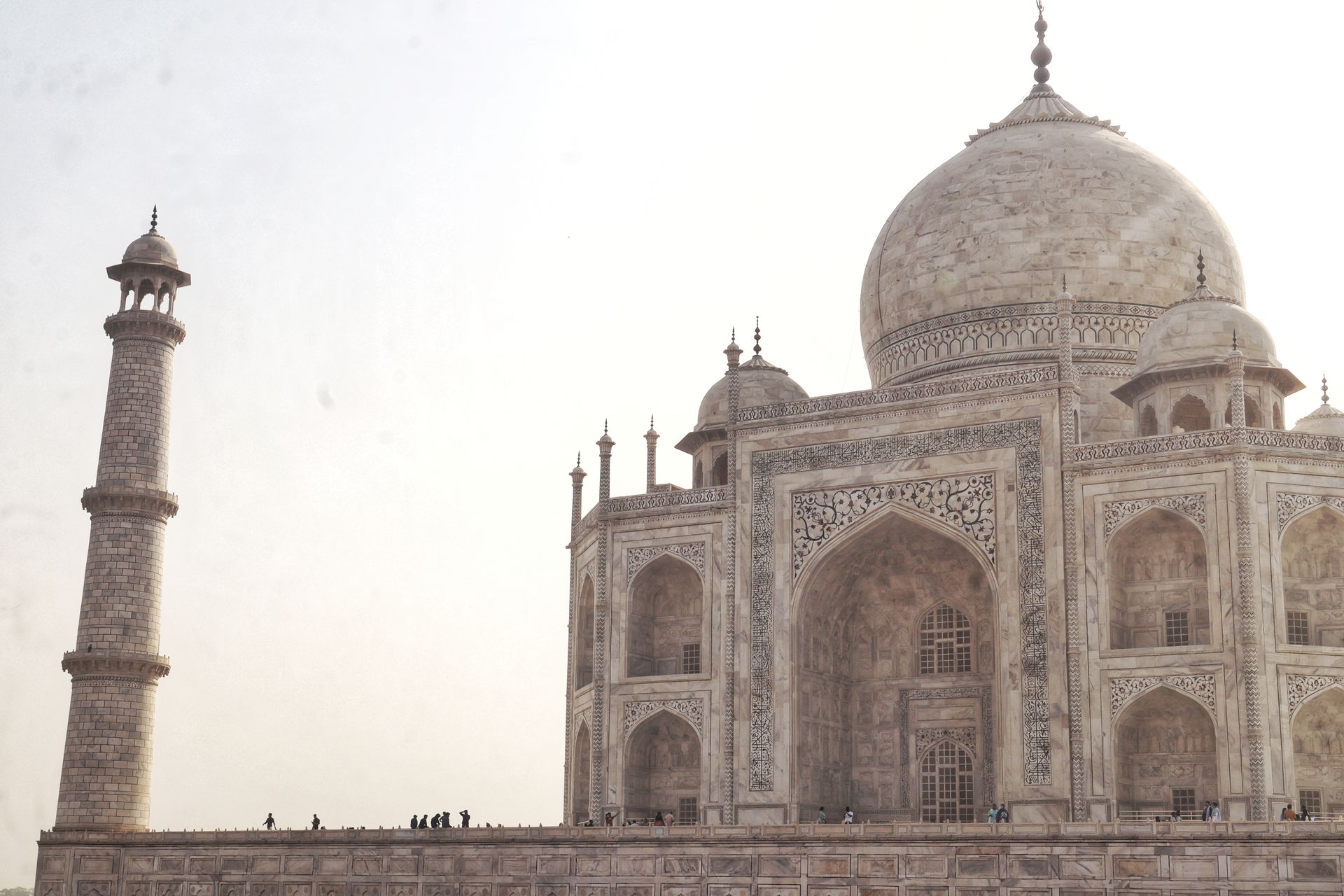
Almost everyone rushes Agra as a day trip from Delhi, and almost everyone regrets it — the Taj deserves a dawn and the city has a second monument nearly as good. Go to the Taj at sunrise, and know that it closes on Fridays. The marble changes colour through the first hour in a way no photograph has ever conveyed; by nine the light has flattened and the crowd has arrived. If you only have one slot, take that one. Agra Fort is the thing people skip and should not. Shah Jahan spent his last years imprisoned in it, looking downriver at the tomb he built for his wife, and you can stand where he stood. It is a working piece of Mughal military architecture rather than a monument to grief, and it is quieter. For the view most people never see, cross the river to Mehtab Bagh in the late afternoon and look at the Taj from the back, across the Yamuna, with nobody in front of you. The city outside the monuments is hard work — persistent touts, heavy traffic, little to hold you. Sleep here for the sunrise, then move on.

Bengaluru (Bangalore) photo

Karnataka

Bengaluru (Bangalore)

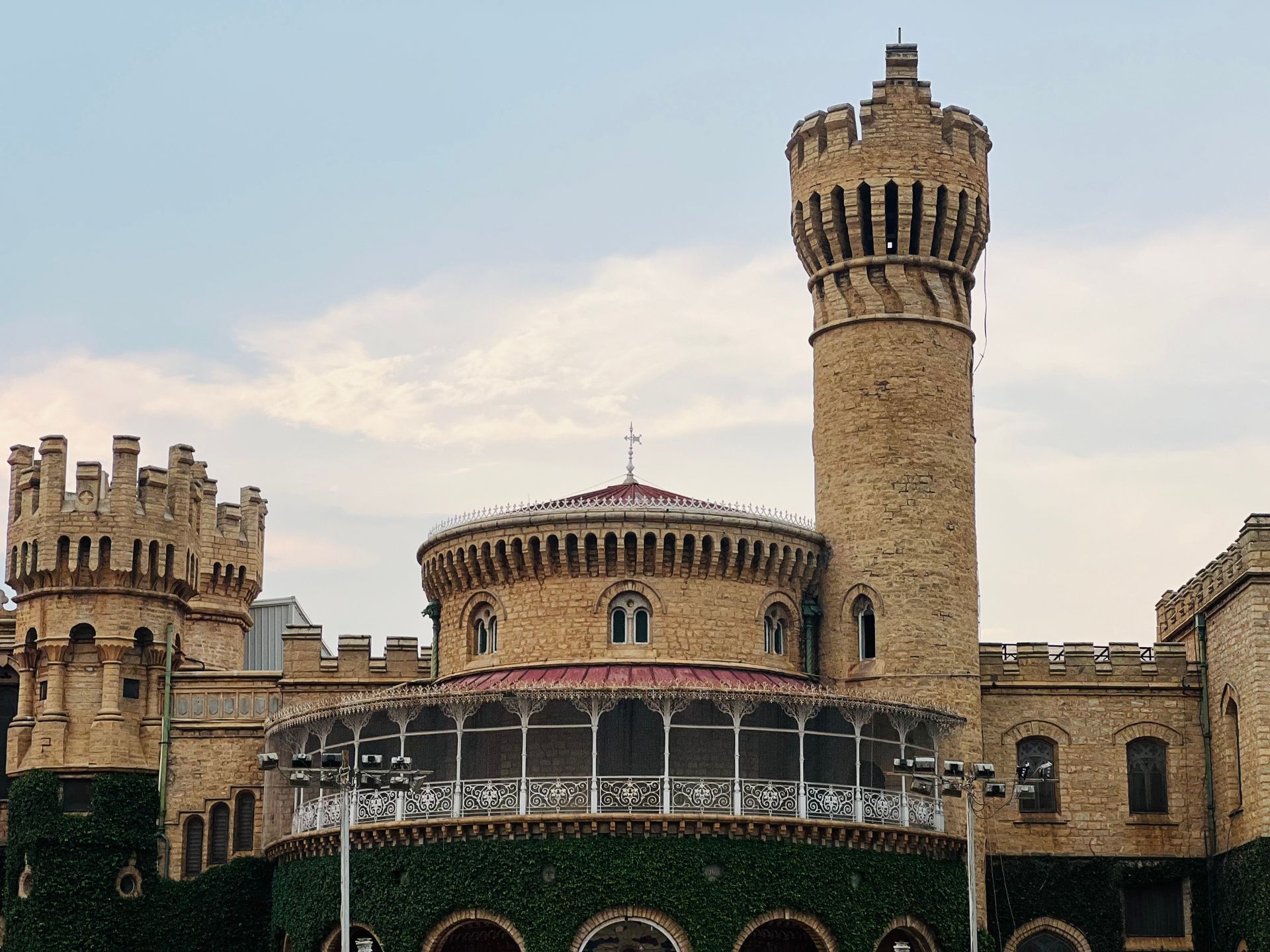
Bengaluru is not a sightseeing city and trying to make it one is the mistake. Come for a weekend of eating, drinking, walking in the parks, and buying books. Lalbagh and Cubbon Park are the reason the place was liveable, and early morning in either is the best hour of the day. The Lalbagh rock is one of the oldest exposed surfaces on the subcontinent and almost nobody goes up it. VV Puram's food street after dark, the Russell Market in Shivajinagar in the morning, filter coffee standing up at a darshini — those are the actual experiences here. The city has the best independent bookshops in India and a working craft beer scene, both of which are genuine, not manufactured for visitors. What it does not have is a monument you must see. Tipu Sultan's summer palace and Bangalore Palace are both twenty-minute visits at most. The traffic is as bad as you have heard. Plan two things a day, in the same part of town, and use the Metro where it goes. The weather is the point — pleasant almost year-round, which is why everyone moved here.

Chandigarh

Chandigarh

Chandigarh

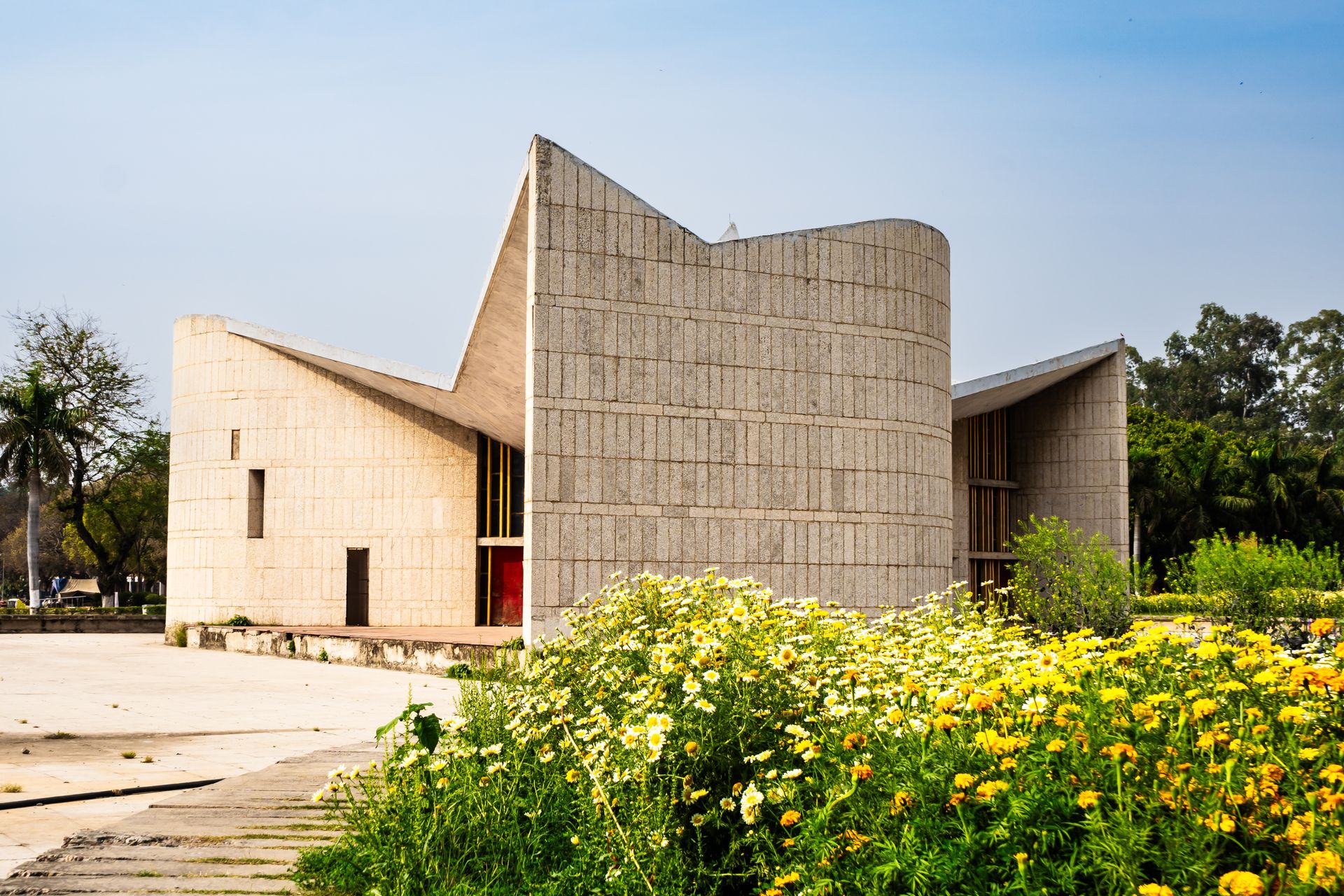
Chandigarh, India's first planned city designed by Le Corbusier, is famed for its orderly sectors, modernist architecture and green spaces. The whimsical Rock Garden, the vast Sukhna Lake and the Capitol Complex (a UNESCO site) make it a uniquely walkable, design-led city.

Delhi photo

Delhi

Delhi

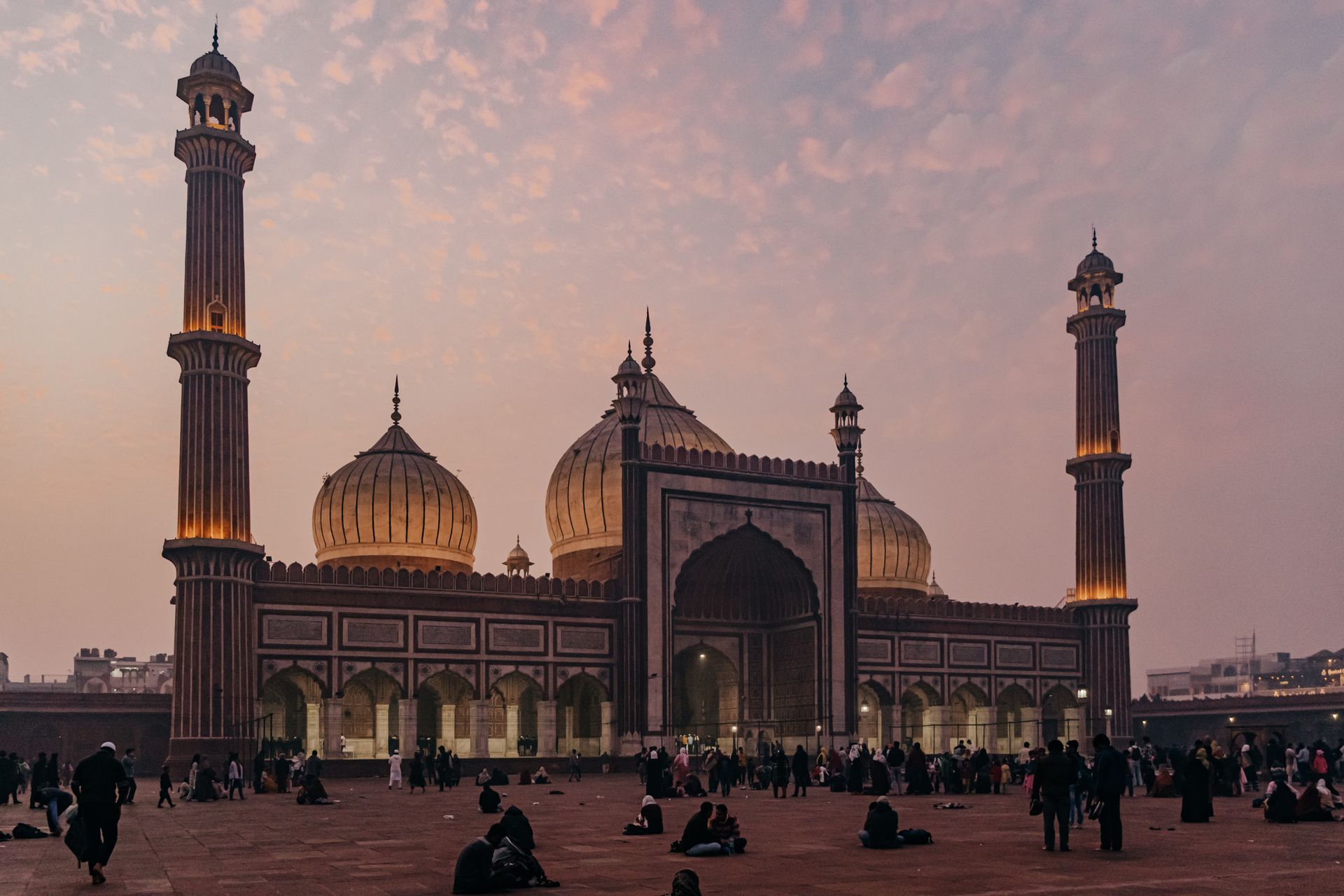
Delhi is not one city, it is seven of them stacked on the same ground, and the reason first visits go wrong is trying to see it as one place. Old Delhi and Lutyens' Delhi are ten minutes apart on the Metro and belong to different centuries. Give each a separate morning rather than stitching them together — the whiplash is what exhausts people. Start in Shahjahanabad early, before the Chandni Chowk lanes fill and the rickshaws stop being able to move at all. Jama Masjid's southern minaret is worth the climb for the one view that makes the layout of the old city legible from above. The Metro is genuinely excellent and will save you hours; use it and ignore anyone who tells you Delhi traffic is unavoidable. On Thursday evenings there is qawwali at Nizamuddin Dargah, which is the single most affecting hour in the city and costs nothing. Be honest with yourself about when you come. From late October into January the air is often severely polluted, and no amount of planning fixes a week you spend indoors with a headache. February and March are the reward months.

Gangtok

Sikkim

Gangtok

Gangtok is where most Sikkim trips begin, and its real value is as a base rather than a destination. The town itself is a steep ridge of concrete with one pleasant pedestrian street, MG Marg, where no vehicles and no spitting are allowed and the whole town walks in the evening. Rumtek monastery, half an hour out, is the seat of the Karma Kagyu lineage and the more worthwhile hour. Enchey, closer in, is quieter still. Tsomgo lake and Nathu La are the standard day trip. Both need permits arranged through a registered operator in Gangtok, both are high — Tsomgo is at around 3,700 metres — and Nathu La is closed to foreign nationals entirely. If you have only been in the hills a day, that altitude gain in a single drive is a lot. For actual Sikkim, keep going. Pelling for the Kanchenjunga view, Yuksom for the walking, north Sikkim for Lachung and the Yumthang valley — all of which need their own permits. March to May and October to early December. The monsoon here brings serious landslides and roads close for days at a time.

Gwalior photo

Madhya Pradesh

Gwalior

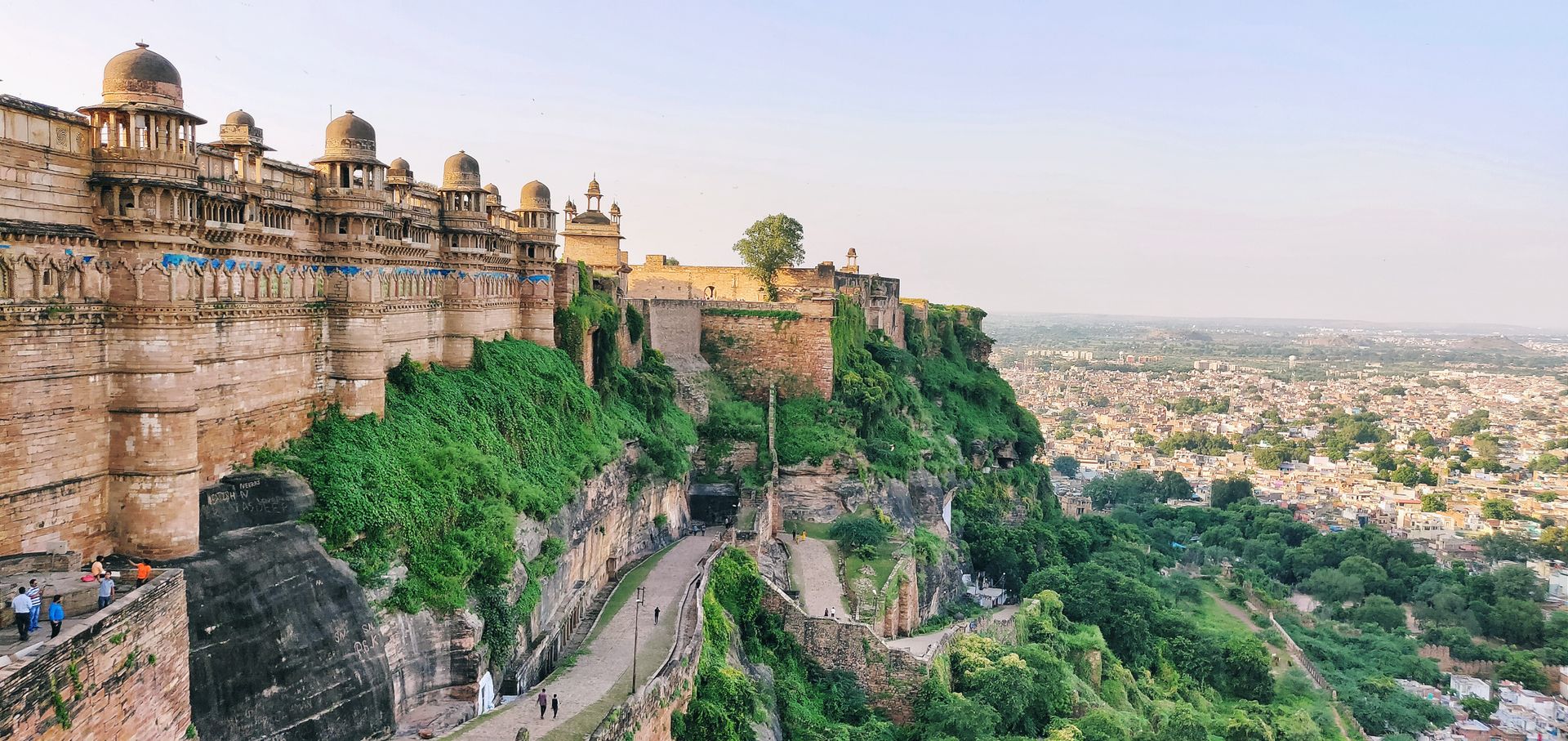
Gwalior's fort sits on a sandstone plateau above the city and is one of the least visited great forts in India, which is most of its appeal. The approach past the Siddhachal Jain caves is what to slow down for: colossal Jain figures cut directly into the cliff face on the way up, the largest of them close to twenty metres. Then Man Singh Palace at the top, with turquoise tilework of ducks and elephants on the outer wall, and interiors you can walk through without a crowd. The Sas Bahu temples on the eastern edge are eleventh century and finely carved. Teli ka Mandir, unusually tall and shaped like nothing else on the site, is worth walking to. Gwalior is also a music city — the Gwalior gharana is one of the oldest surviving Hindustani classical traditions, and Tansen is buried here. The Tansen festival in December is when you would hear it properly. October to March. The fort is a long exposed climb with very little shade, so this matters more than usual.

Imphal photo

Manipur

Imphal

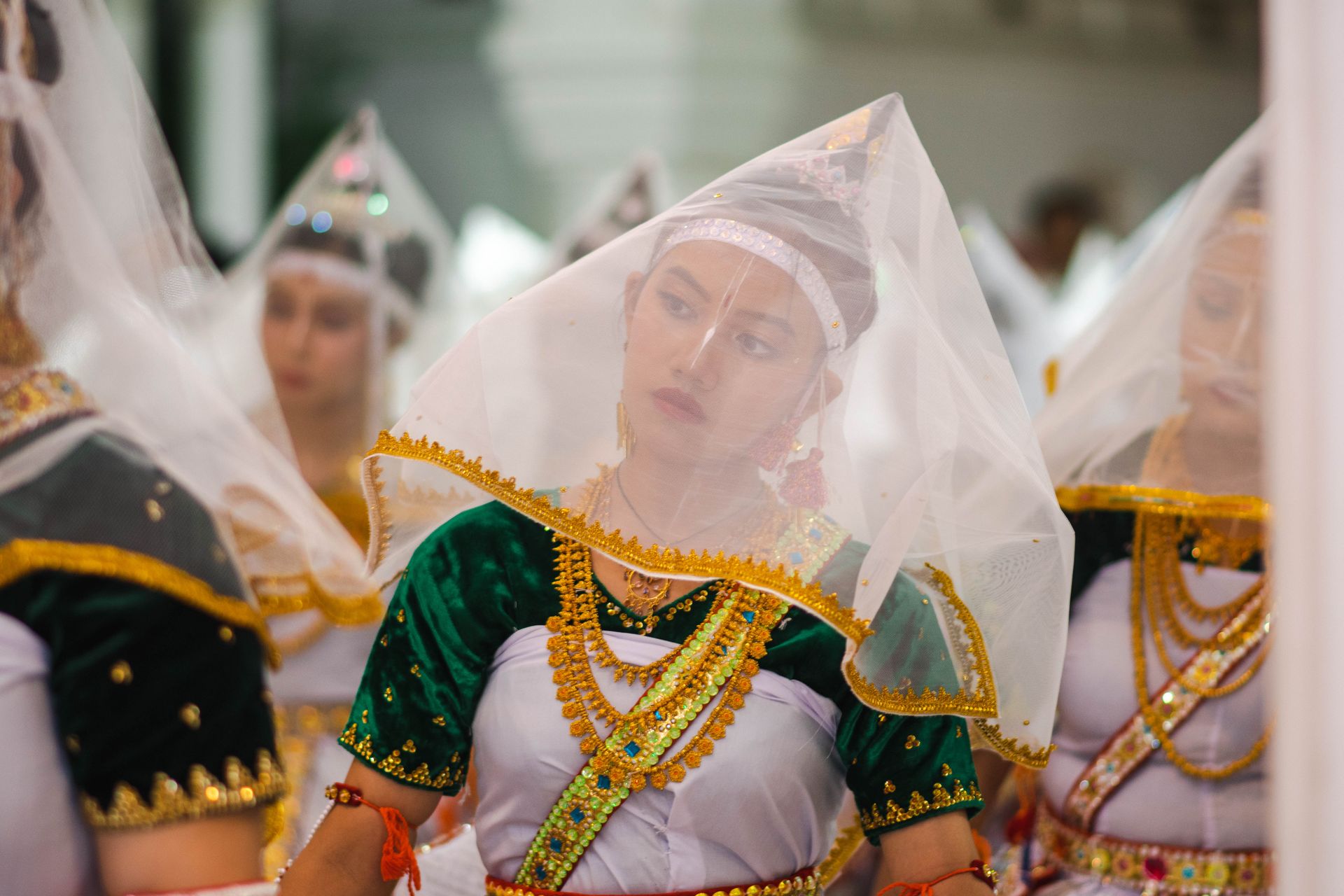
Imphal, the capital of Manipur, is a culturally rich valley city famed for the all-women Ima Keithel market, the WWII Imphal battle sites, classical Manipuri dance, and as the gateway to the floating Loktak Lake.

Jaipur photo

Rajasthan

Jaipur

Jaipur repays getting up early more than almost anywhere in Rajasthan, because by ten the coaches have arrived and Amber Fort stops being a fort and becomes a queue. Be at Amber for opening. Walk up rather than taking the elephants — the welfare of those animals is a long-running problem and a jeep does the same job. Inside, the Sheesh Mahal is the room everyone photographs, but the Ganesh Pol above the second courtyard is the better piece of work. Hawa Mahal disappoints people, and it is worth knowing why before you stand in front of it: it is a screen, one room deep, built so the women of the household could watch the street unseen. There is almost nothing behind the facade. The good view is from the rooftop cafés opposite, looking back at it. Jantar Mantar is the one to book a guide for. Without someone to explain them the instruments are handsome shapes; with someone, they are a working observatory and the visit turns into the best hour of your day. For fabric go to Johari Bazaar, for everyday chaos and better prices go to Chandpole. October to March. April onwards the stone gets too hot to touch by mid-morning.

Jaisalmer photo

Rajasthan

Jaisalmer

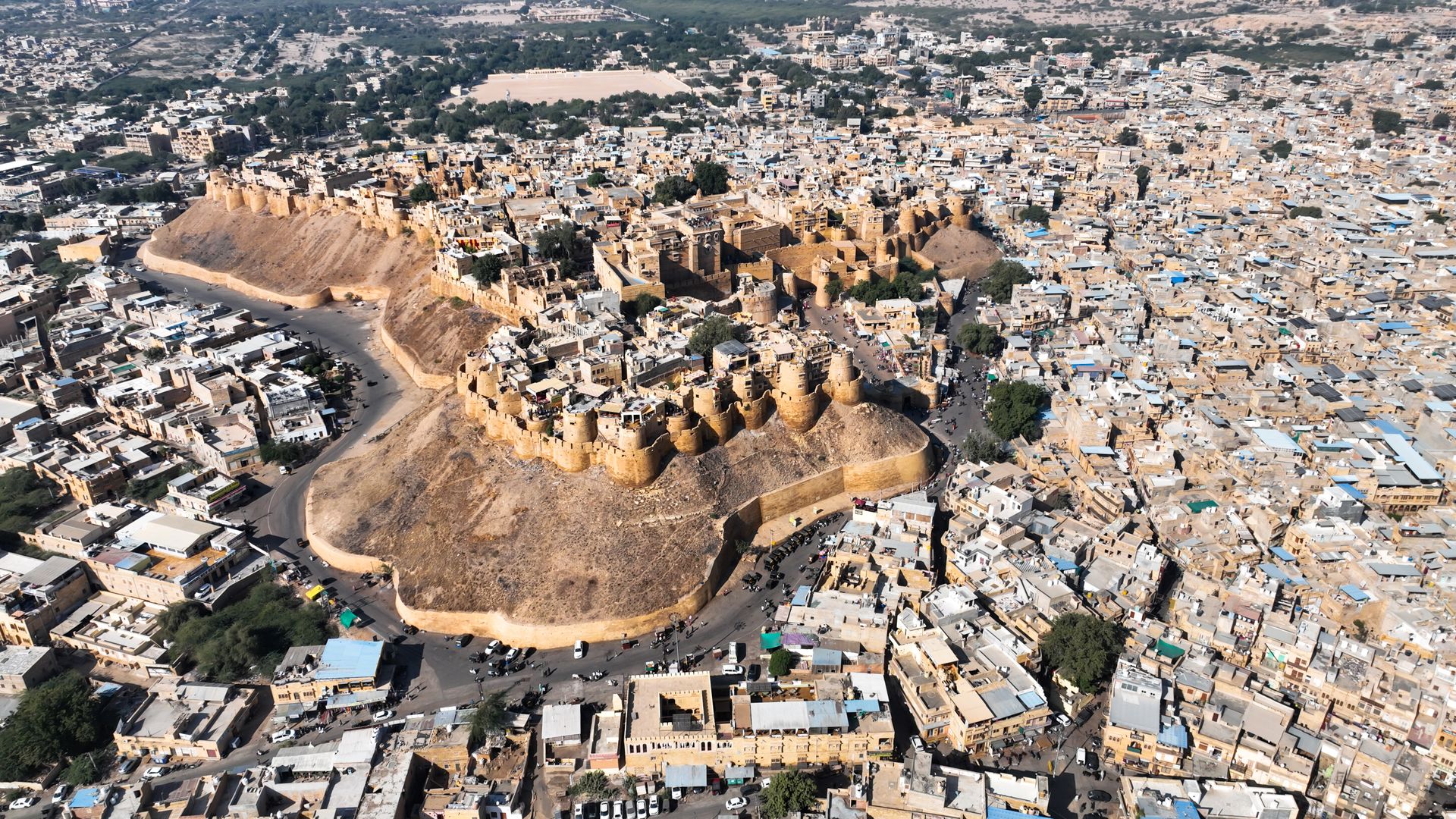
Jaisalmer is built from the same yellow sandstone it stands on, which is why at six in the evening the whole fort looks lit from inside — and why at midday it looks like nothing much at all. Time your first look for the last hour of light. The fort is one of very few in the world still lived in: several thousand people, with shops, homes, temples and plumbing inside the walls. That is what makes it extraordinary and also what is slowly destroying it, because the drainage was never built for modern water use and the bastions are being undermined. Conservationists ask visitors to sleep outside the walls rather than in the fort hotels. It is worth honouring. Patwon ki Haveli is the finest carved stone in the city. The Jain temples inside the fort are quieter and, to my eye, better. For the desert, the choice matters. Sam dunes at sunset is a full circus of camels, jeeps and loudspeakers. Khuri is further out, plainer, and gives you the silence people actually come to the Thar for. November to February. Nights in the desert get genuinely cold — bring more than you think.

Jodhpur photo

Rajasthan

Jodhpur

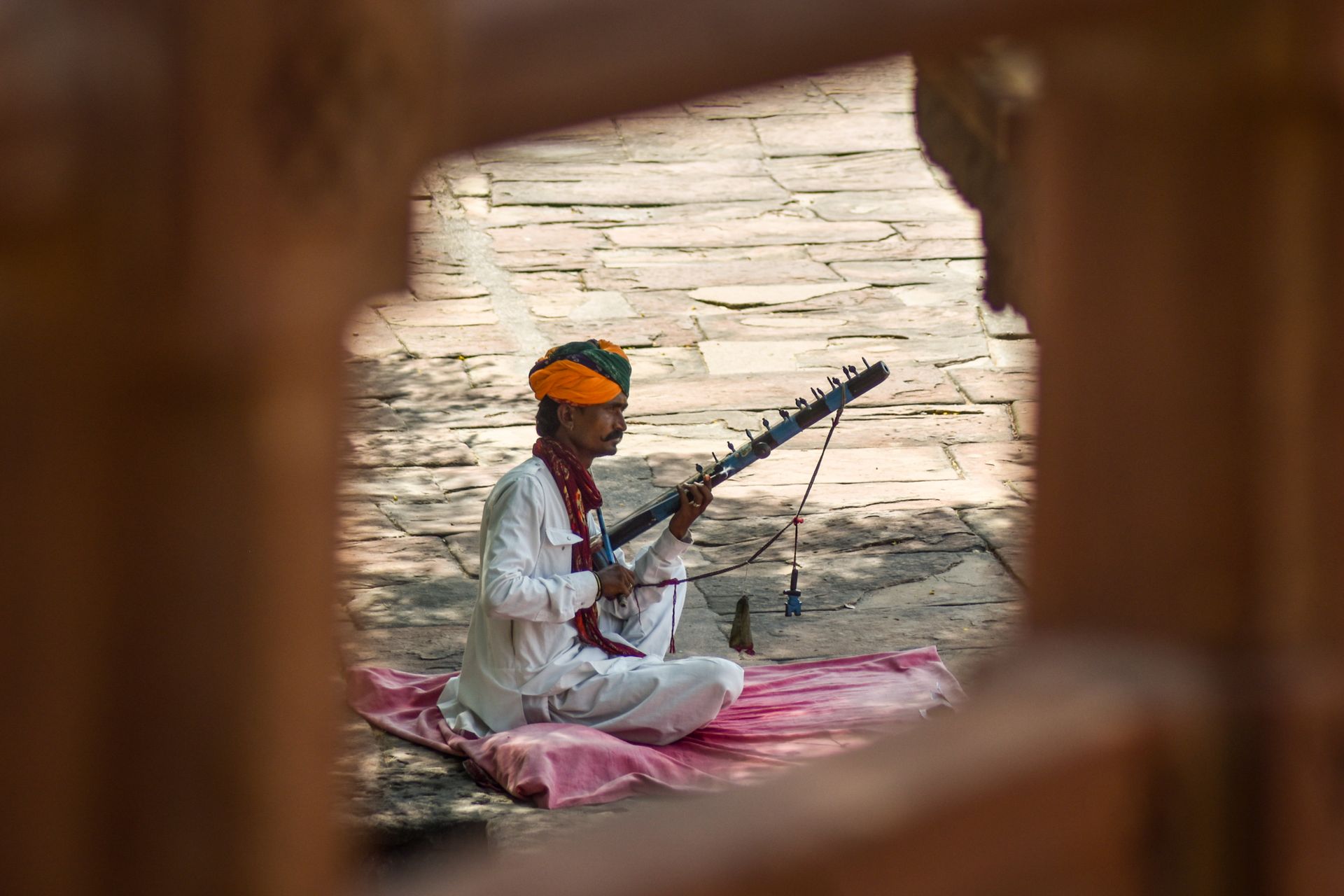
Mehrangarh is the best fort in India, and if you only climb one in Rajasthan it should be this one. It sits on a cliff a hundred and twenty metres above the city with no gap between rock and wall — the masonry simply continues the escarpment. The audio guide is one of the few in the country genuinely worth taking. Look for the handprints beside Loha Pol, left by royal widows on their way to the pyre. About the blue: people arrive expecting an entirely blue city and find a mostly ochre one. The blue is real but it is concentrated in the Brahmpuri quarter below the fort's north-east wall, and the way to see it is from the ramparts looking down, or by walking those specific lanes. Anywhere else in Jodhpur you will wonder what you were promised. Toorji ka Jhalra, the restored stepwell in the old city, is where everyone goes at sunset now and it has the cafés to prove it. Rao Jodha desert rock park, just outside the fort gates, has almost nobody in it and is the better hour. October to early March. By May the afternoon heat here is not a discomfort, it is a hazard.

Kochi (Fort Kochi) photo
Kerala

Kochi (Fort Kochi)

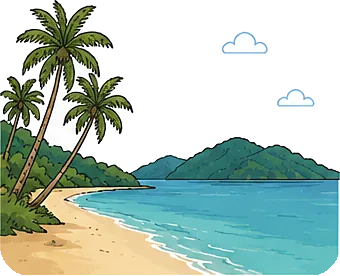
Fort Kochi is walkable, layered and unusually easy for a first trip to India — it is one of the few Indian towns where you can simply wander without a plan. The Chinese fishing nets on the waterfront are the postcard, and they are also mostly a photo stop now rather than a working fishery. Go anyway, at dusk, but do not expect a spectacle. Behind them, St Francis Church holds the spot where Vasco da Gama was buried before his remains went home, and the Paradesi Synagogue in Jew Town has a floor of hand-painted Chinese tiles, no two the same. Kathakali is the thing worth booking. The good venues start an hour early so you can watch the performers put the make-up on — that hour explains the art form far better than the performance does, and without it the show is opaque. Cross to Mattancherry for the spice godowns, where the smell of ginger and pepper in the streets is not a tourist experience, it is a working trade. October to March is dry and pleasant. April and May are humid and heavy. The monsoon is dramatic and the town keeps functioning through it.

Kohima

Nagaland

Kohima

Kohima's war cemetery is the most affecting war memorial in India, and most people who come for the Hornbill Festival never walk up to it. In 1944 the Japanese advance into India was stopped here, on a tennis court on the ridge above town. The court's markings are still laid out in stone among the graves. The inscription at the base — the one about telling those at home that we gave our today for their tomorrow — is worth the climb on its own. The Hornbill Festival runs the first ten days of December at Kisama, a purpose-built village of tribal morungs where all the Naga groups perform. It is worth seeing and it is also a festival built for visitors; if you want the everyday version of Naga life you will find more of it in the villages around Khonoma, an hour away, than at Kisama. Nagaland requires an Inner Line Permit for Indian nationals; foreign nationals need to register on arrival. Sort it in advance. October to May is dry. December means Hornbill, full hotels and prices to match — book months ahead or stay in Dimapur and travel up.